
Bush lily
Clivia miniata, family Amaryllidaceae
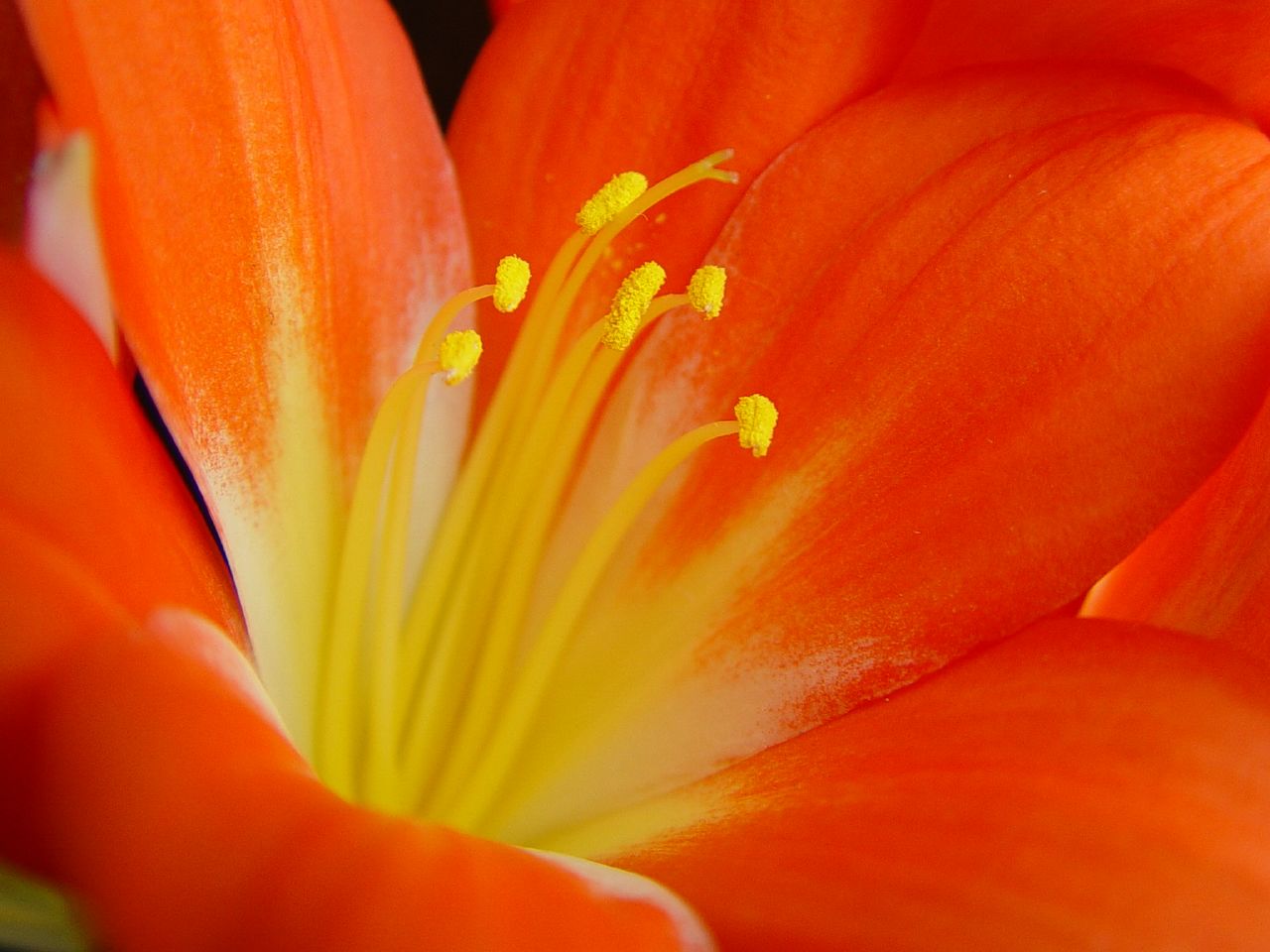
A shade-loving plant with orange, red or yellow funnel-shaped blooms
Bush lily is a perennial plant from the woodlands of South Africa and Eswatini, grown for its clusters of bright, funnel-shaped flowers in orange, red, or yellow. It is popular as a houseplant and in shaded gardens, but all parts contain toxins and should not be eaten.
- Native to shaded forests in South Africa and Eswatini
- Produces orange, red, or yellow funnel-shaped flowers in clusters
- All parts are poisonous due to lycorine content
- Often grown as a houseplant or in shaded gardens
- Some varieties have won horticultural awards
What does Bush lily look like?
Bush lily forms clumps of long, arching, dark green leaves that grow in two rows from a short, thick stem mostly hidden underground. Its flowers are grouped in umbrella-like clusters, each bloom shaped like a funnel and colored in shades of orange, red, or yellow. Some flowers have a gentle, sweet scent. After flowering, the plant produces round, bright red berries containing a few seeds.
Where does Bush lily come from?
This plant is native to the shaded forests of South Africa's Eastern Cape, Mpumalanga, and KwaZulu-Natal, as well as Eswatini. It was first grown outside its homeland in England, where it was named after Lady Charlotte Clive. The species name 'miniata' refers to the red-orange color of its flowers. Over time, bush lily became a favorite for indoor and shaded outdoor gardens around the world.
When and how Bush lily blooms
Bush lily blooms best in mild climates where frost is rare, thriving in temperatures from 5°C to 29°C. It is usually grown as a houseplant in cooler places, but can be planted outdoors in warm, frost-free areas. The plant spreads slowly by underground stems called rhizomes. It prefers shade and is often used in gardens for its evergreen leaves and bright flower clusters.


How Bush lily is used
People grow bush lily for its striking flowers and lush foliage, making it a popular choice for homes and shaded landscapes. It is also valued in public plantings in warmer regions. However, all parts of the plant contain lycorine, a toxic compound, so it should not be ingested. Some varieties and cultivars are especially prized by gardeners.
Kinds of Bush lily
Several forms of bush lily exist, including the yellow-flowered variety C. miniata var. citrina. Cultivars such as 'Kirstenbosch Splendour' have been developed for their unique colors or forms. The plant has also received recognition from horticultural societies for its garden value.
What Bush lily means
Bush lily is sometimes used as a symbol or emblem in its native regions. While it is widely grown for decoration, its name has also been linked to outdated and offensive terms in the past. Its beauty and adaptability have made it a fixture in gardens and collections, but its toxicity is always noted.
Questions people ask about Bush lily
Where does bush lily come from?
Bush lily is native to woodland areas in South Africa, especially in the Eastern Cape, Mpumalanga, and KwaZulu-Natal provinces, as well as Eswatini.
What does the bush lily look like?
It has long, dark green leaves and clusters of funnel-shaped flowers in orange, red, or yellow. The flowers grow in umbrella-like groups above the foliage.
Is bush lily poisonous?
Yes, all parts of the bush lily contain lycorine, a toxic substance. It should not be eaten by people or pets.
How is bush lily used?
Bush lily is grown mainly for its decorative flowers and evergreen leaves, both indoors as a houseplant and outdoors in shaded gardens.
Does bush lily have any special meaning or recognition?
It is sometimes used as a regional emblem and has received awards for its value in gardens.
Good reading and sources
- Encyclopaedia BritannicaArticle
- Clivia miniataRoyal Horticultural Society, Article
- Plants of the World OnlineRoyal Botanic Gardens, Kew, Plant database
- Where it has been recordedGBIF, Plant database
- Sightings and photos by naturalistsiNaturalist, Plant database
- Clivia miniata on WikipediaEncyclopedia
- More photos on Wikimedia CommonsPhotos
- Wikidata recordOpen data
The facts on this page come from the Wikipedia article "Clivia miniata", written by its contributors and used under the CC BY-SA 4.0 licence, and from its Wikidata record (CC0). EveryPhool rewrote the text in its own words, with AI assistance, and compares every page with the article to make sure no passage is copied. It may be reused under the same CC BY-SA 4.0 licence with a link back.
It may contain mistakes. It is not medical or foraging advice: many flowers are poisonous, and traditional uses are reported, not recommended. If something is wrong, tell us. Last refreshed 2026-10-03.
Others in the family Amaryllidaceae
The whole family Narcissus
Spring-flowering bulbs with trumpet-shaped blooms in white, yellow, and orange
🇬🇧 United Kingdom and 7 more · Wildflower
Narcissus
Spring-flowering bulbs with trumpet-shaped blooms in white, yellow, and orange
🇬🇧 United Kingdom and 7 more · Wildflower
 Allium
The genus of onions, garlic, leeks, chives and their wild relatives
Allium · Wildflower
Allium
The genus of onions, garlic, leeks, chives and their wild relatives
Allium · Wildflower
 Wild GarlicAllium ursinum
A wild woodland plant with star-shaped white flowers and edible leaves
🇮🇪 Ireland · Wildflower
Wild GarlicAllium ursinum
A wild woodland plant with star-shaped white flowers and edible leaves
🇮🇪 Ireland · Wildflower
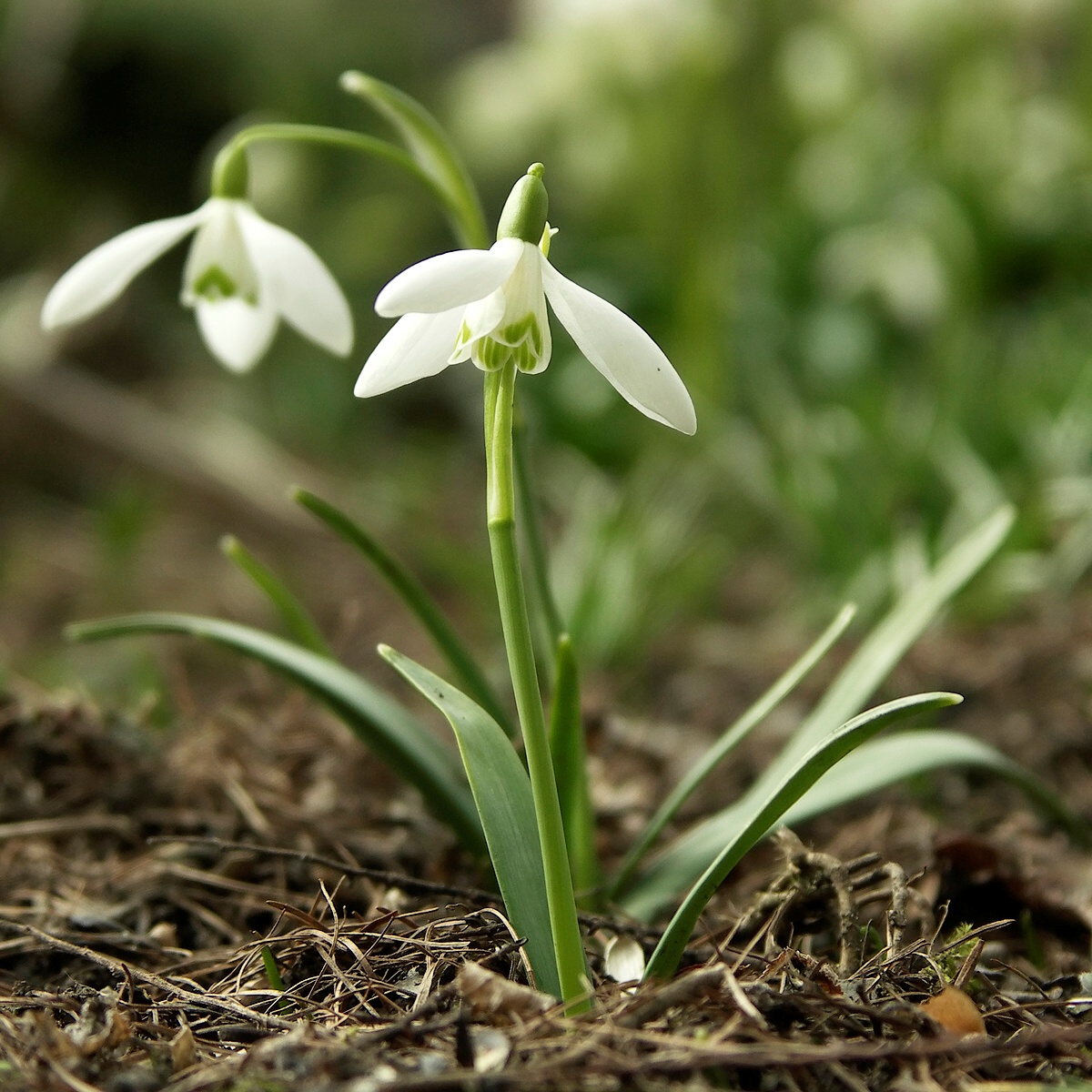 SnowdropGalanthus
White bell-shaped flowers that bloom at the end of winter
🇹🇷 Turkey and 7 more · Wildflower
SnowdropGalanthus
White bell-shaped flowers that bloom at the end of winter
🇹🇷 Turkey and 7 more · Wildflower
More from South Africa
All the flowers of South Africa Eucalyptus
The tall, aromatic trees and shrubs known as gum trees or eucalypts
🇦🇺 Australia and 7 more · Flowering tree
Eucalyptus
The tall, aromatic trees and shrubs known as gum trees or eucalypts
🇦🇺 Australia and 7 more · Flowering tree
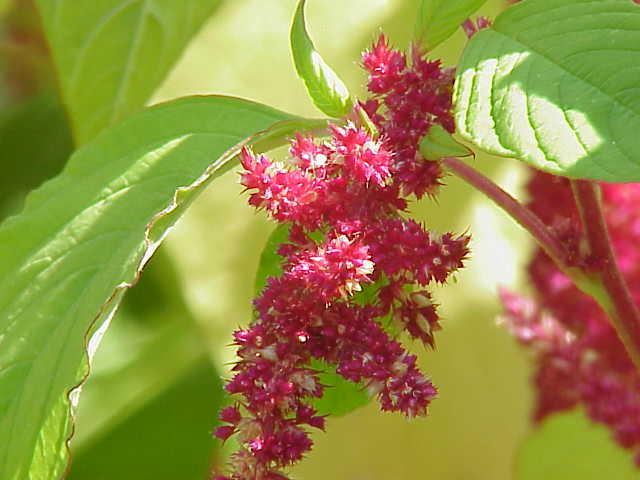 AmaranthAmaranthus
A tall, colourful plant grown for its flowers, leaves and edible seeds
🇲🇽 Mexico and 7 more · Wildflower
AmaranthAmaranthus
A tall, colourful plant grown for its flowers, leaves and edible seeds
🇲🇽 Mexico and 7 more · Wildflower
 Acacia
Shrubs and trees with golden or cream puffball flowers, native mostly to Australia
🇦🇺 Australia and 6 more · Wildflower
Acacia
Shrubs and trees with golden or cream puffball flowers, native mostly to Australia
🇦🇺 Australia and 6 more · Wildflower
 Sensitive PlantMimosa pudica
A touch-sensitive plant whose leaves fold up when disturbed
🇧🇷 Brazil and 8 more · Wildflower
Sensitive PlantMimosa pudica
A touch-sensitive plant whose leaves fold up when disturbed
🇧🇷 Brazil and 8 more · Wildflower