
Hardy swamplily
Crinum bulbispermum, family Amaryllidaceae
A pink, white or red lily from southern Africa, grown for its showy, scented flowers
Hardy swamplily is a bulb plant from South Africa, Lesotho and Eswatini, known for its funnel-shaped, sweet-scented flowers. The blooms, which appear in spring and summer, range from white to pink or red and are often grown in gardens or containers for their striking look.
- Native to South Africa, Lesotho, and Eswatini
- Flowers are funnel-shaped, sweet-scented, and pink, white, or red
- Official floral emblem of Free State province in South Africa
- Commonly grown as a garden and container plant
- Several cultivars and hybrids are widely cultivated
What does Hardy swamplily look like?
Hardy swamplily grows from large bulbs and produces long, strap-like leaves up to 88 cm. Its flowers form in clusters of 8 to 13 on tall stalks, each flower funnel-shaped and strongly sweet-scented. The blooms are usually pink with a deeper stripe, but can also be white or red. This plant thrives in wet places and is often grown for its striking appearance.
Where does Hardy swamplily come from?
Native to South Africa, Lesotho, and Eswatini, hardy swamplily is found in wet habitats. It has spread beyond its native range and now grows wild in parts of the Americas, including Cuba, Honduras, and the southeastern United States. The plant is especially linked with the Free State province in South Africa, where it is the official floral emblem.
When and how Hardy swamplily blooms
The plant blooms in spring and summer. It prefers deep, moist soils and full sun, and is often left undisturbed for years. It can be grown from seeds or by dividing bulbs, with seedlings flowering after three or four years. Hardy swamplily is also suitable for containers and can survive cold if bulbs are protected.

How Hardy swamplily is used
Hardy swamplily is widely grown as an ornamental plant for its showy, fragrant flowers. It is used in gardens and containers, valued for its ability to thrive in wet spots. In South Africa's Free State, it holds special status as the provincial flower.
Kinds of Hardy swamplily
Several cultivars exist, such as 'Alba' with pure white flowers, 'Backup Mother' with medium pink blooms and a white throat, and 'Spotty' with rose-purple flowers and white spots. The species is also used in hybrids like Crinum × herbertii and Crinum × powellii, the latter being especially hardy.
What Hardy swamplily means
Hardy swamplily is the floral emblem of South Africa's Free State province. Its bold flowers and adaptability have made it a popular garden plant in many regions. While it is not tied to specific festivals or religious practices, its emblem status marks its cultural importance in its native area.
Questions people ask about Hardy swamplily
Where does hardy swamplily come from?
Hardy swamplily is native to South Africa, Lesotho, and Eswatini, where it grows in wet places. It has also become naturalized in parts of the Americas, including Cuba, Honduras, and the southeastern United States.
What does hardy swamplily look like?
It grows from large bulbs and has long, strap-shaped leaves. Its flowers are funnel-shaped, strongly sweet-scented, and usually pink with a deep stripe, but can also be white or red. The blooms appear in clusters on tall stalks.
How is hardy swamplily used?
It is mainly grown as an ornamental plant in gardens and containers for its showy, fragrant flowers. In South Africa's Free State, it is also recognized as the provincial floral emblem.
Are there different types of hardy swamplily?
Yes, there are several cultivars such as 'Alba', 'Backup Mother', and 'Spotty', as well as hybrids like Crinum × herbertii and Crinum × powellii, which are known for their hardiness and varied flower colors.
What does hardy swamplily symbolize?
It is the official floral emblem of the Free State province in South Africa, representing the region's natural heritage.
Good reading and sources
- USDA Plants DatabaseUS Department of Agriculture, Article
- Plants of the World OnlineRoyal Botanic Gardens, Kew, Plant database
- Where it has been recordedGBIF, Plant database
- Sightings and photos by naturalistsiNaturalist, Plant database
- Crinum bulbispermum on WikipediaEncyclopedia
- More photos on Wikimedia CommonsPhotos
- Wikidata recordOpen data
The facts on this page come from the Wikipedia article "Crinum bulbispermum", written by its contributors and used under the CC BY-SA 4.0 licence, and from its Wikidata record (CC0). Phool rewrote the text in its own words, with AI assistance, and compares every page with the article to make sure no passage is copied. It may be reused under the same CC BY-SA 4.0 licence with a link back.
It may contain mistakes. It is not medical or foraging advice: many flowers are poisonous, and traditional uses are reported, not recommended. If something is wrong, tell us. Last refreshed 2026-10-03.
Others in the family Amaryllidaceae
The whole family Narcissus
Spring-flowering bulbs with trumpet-shaped blooms in white, yellow, and orange
🇬🇧 United Kingdom and 7 more · Wildflower
Narcissus
Spring-flowering bulbs with trumpet-shaped blooms in white, yellow, and orange
🇬🇧 United Kingdom and 7 more · Wildflower
 Allium
The genus of onions, garlic, leeks, chives and their wild relatives
Allium · Wildflower
Allium
The genus of onions, garlic, leeks, chives and their wild relatives
Allium · Wildflower
 Wild GarlicAllium ursinum
A wild woodland plant with star-shaped white flowers and edible leaves
🇮🇪 Ireland · Wildflower
Wild GarlicAllium ursinum
A wild woodland plant with star-shaped white flowers and edible leaves
🇮🇪 Ireland · Wildflower
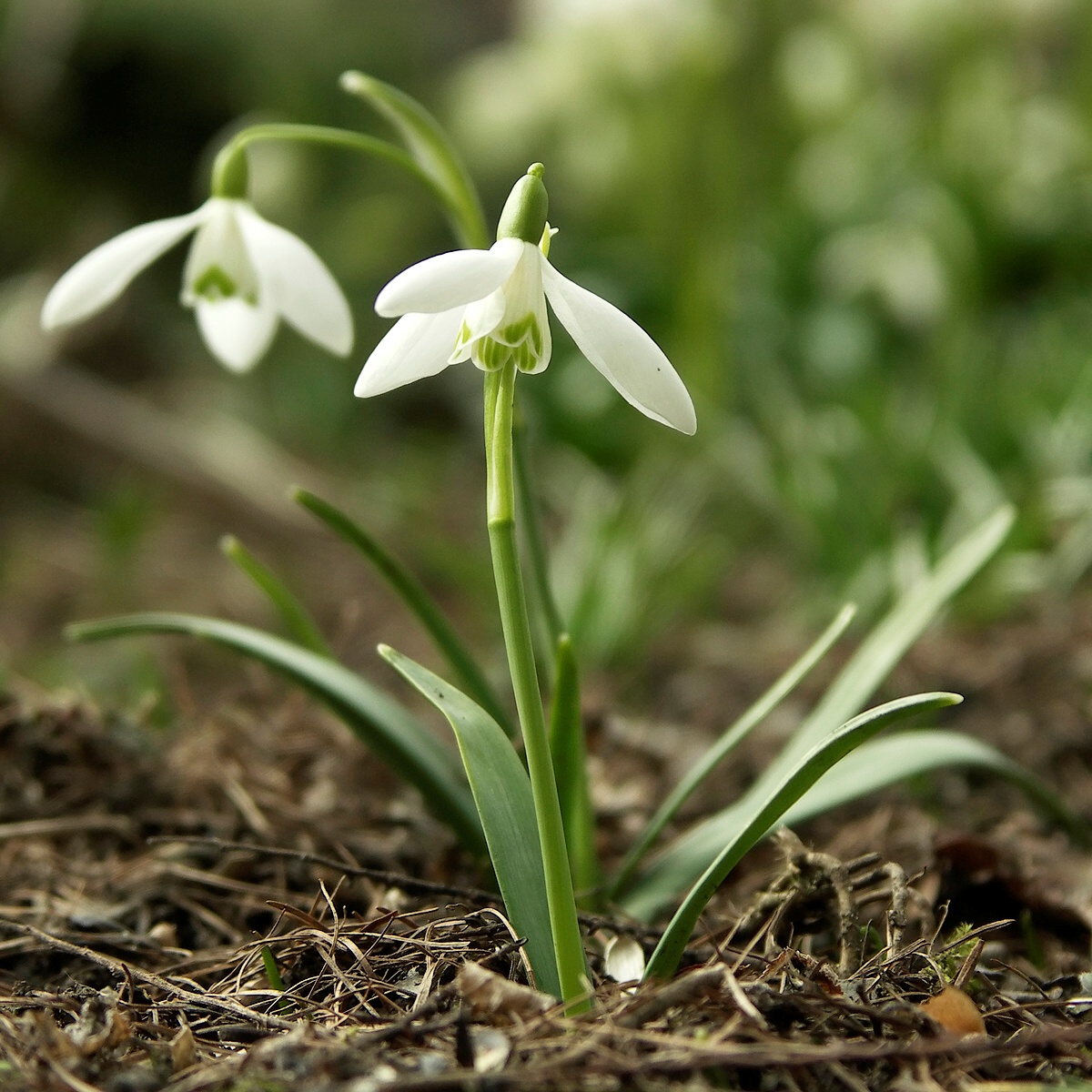 SnowdropGalanthus
White bell-shaped flowers that bloom at the end of winter
🇹🇷 Turkey and 7 more · Wildflower
SnowdropGalanthus
White bell-shaped flowers that bloom at the end of winter
🇹🇷 Turkey and 7 more · Wildflower
More from South Africa
All the flowers of South Africa Eucalyptus
The tall, aromatic trees and shrubs known as gum trees or eucalypts
🇦🇺 Australia and 7 more · Flowering tree
Eucalyptus
The tall, aromatic trees and shrubs known as gum trees or eucalypts
🇦🇺 Australia and 7 more · Flowering tree
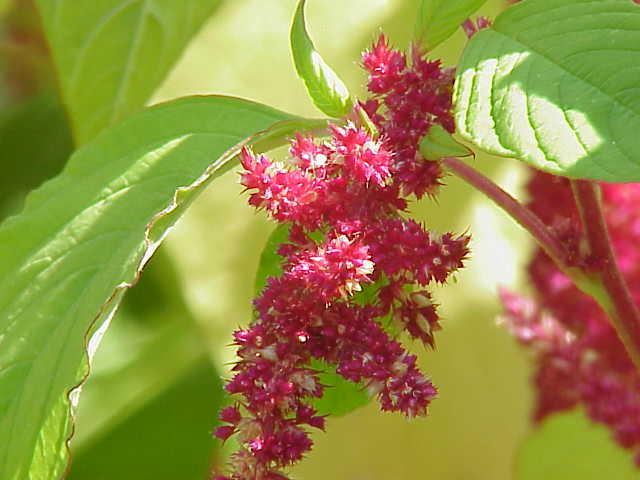 AmaranthAmaranthus
A tall, colourful plant grown for its flowers, leaves and edible seeds
🇲🇽 Mexico and 7 more · Wildflower
AmaranthAmaranthus
A tall, colourful plant grown for its flowers, leaves and edible seeds
🇲🇽 Mexico and 7 more · Wildflower
 Acacia
Shrubs and trees with golden or cream puffball flowers, native mostly to Australia
🇦🇺 Australia and 6 more · Wildflower
Acacia
Shrubs and trees with golden or cream puffball flowers, native mostly to Australia
🇦🇺 Australia and 6 more · Wildflower
 Sensitive PlantMimosa pudica
A touch-sensitive plant whose leaves fold up when disturbed
🇧🇷 Brazil and 8 more · Wildflower
Sensitive PlantMimosa pudica
A touch-sensitive plant whose leaves fold up when disturbed
🇧🇷 Brazil and 8 more · Wildflower