
Crinum moorei
A tall, fragrant lily from South Africa with white or pale pink blooms
Crinum moorei is a large, bulb-forming perennial from South Africa, known for its clusters of white to pale pink, strongly scented flowers. It grows in damp, shaded places and is now also found in parts of India and the Americas, valued both for its beauty and traditional medicinal uses.
- Native to South Africa's Cape Provinces and KwaZulu-Natal
- Produces clusters of large, fragrant white or pale pink flowers
- Bulbs are used in traditional medicine and scientific research
- Now grown in India and several countries in the Americas
- Wild populations are considered Vulnerable
What does Crinum moorei look like?
Crinum moorei is a tall perennial lily that grows from a large underground bulb, sometimes reaching up to 20 cm across. Its long, flat green leaves form a rosette at the top of a neck that rises above the soil. In flowering season, it sends up a stalk that can reach over a metre high, topped with a cluster of 5 to 10 funnel-shaped flowers. The blooms are white to pale pink, with petals up to 10 cm long, and give off a strong scent, especially in the evening. The style of the flower is red near its tip, and the buds start upright before drooping as they open.
Where does Crinum moorei come from?
This lily is native to the Cape Provinces and KwaZulu-Natal in South Africa, where it grows wild in moist, shaded spots. In the 1860s, seeds were collected in KwaZulu-Natal and sent to Ireland, where the plant was named after Dr. D. Moore of the Glasnevin Botanical Gardens. The genus name, Crinum, is based on the Greek word for lily. Over time, Crinum moorei has been introduced to regions in India, the Americas, and Korea, often grown in gardens or for traditional uses.
When and how Crinum moorei blooms
Crinum moorei thrives in damp, loamy soil and prefers shady locations. It grows from bulbs, which multiply at the base, and produces its flowers on tall stalks. The plant is usually propagated by dividing the bulbs. Its strong evening fragrance may help attract pollinators. In gardens, it is often grown for its showy blooms and lush foliage.


How Crinum moorei is used
People grow Crinum moorei in gardens for its striking, fragrant flowers. In South Africa, the bulbs have been harvested for traditional medicine, used for skin and urinary problems, and for livestock care. In recent years, extracts from its roots have been used in scientific research, including the creation of silver nanoparticles. Its popularity has led to its spread to gardens and farms in other countries.
Kinds of Crinum moorei
Several forms and synonyms have been recorded for Crinum moorei, including varieties with different flower colors such as var. album and var. rubra. It has also been crossed with other Crinum species, resulting in hybrids like Crinum × powellii and Crinum × worsleyi, which are grown in gardens for their large, showy flowers.
What Crinum moorei means
Crinum moorei is listed as Vulnerable in South Africa, with wild numbers dropping due to overharvesting and pests. While not tied to a specific festival or religious practice, it is valued for its beauty and traditional medicinal role. Its introduction to other continents shows its appeal beyond its native range.
Questions people ask about Crinum moorei
Where does Crinum moorei come from?
Crinum moorei is native to the Cape Provinces and KwaZulu-Natal regions of South Africa, where it grows in moist, shaded environments.
What does the flower look like?
It has tall stalks topped with clusters of funnel-shaped, strongly scented flowers that are white to pale pink, with long, flat green leaves forming a rosette.
How is Crinum moorei used?
The plant is grown for its attractive flowers and is used in traditional medicine for skin and urinary issues, as well as in some scientific research.
Is Crinum moorei endangered?
It is listed as Vulnerable in South Africa due to a decline in wild populations from bulb harvesting and pest problems.
Does Crinum moorei have any special meaning or symbolism?
While not tied to a specific symbol or festival, it is valued for its beauty and its use in traditional remedies.
Good reading and sources
- Crinum mooreiRoyal Horticultural Society, Article
- Plants of the World OnlineRoyal Botanic Gardens, Kew, Plant database
- Where it has been recordedGBIF, Plant database
- Sightings and photos by naturalistsiNaturalist, Plant database
- Crinum moorei on WikipediaEncyclopedia
- More photos on Wikimedia CommonsPhotos
- Wikidata recordOpen data
The facts on this page come from the Wikipedia article "Crinum moorei", written by its contributors and used under the CC BY-SA 4.0 licence, and from its Wikidata record (CC0). Phool rewrote the text in its own words, with AI assistance, and compares every page with the article to make sure no passage is copied. It may be reused under the same CC BY-SA 4.0 licence with a link back.
It may contain mistakes. It is not medical or foraging advice: many flowers are poisonous, and traditional uses are reported, not recommended. If something is wrong, tell us. Last refreshed 2026-10-03.
Others in the family Amaryllidaceae
The whole family Narcissus
Spring-flowering bulbs with trumpet-shaped blooms in white, yellow, and orange
🇬🇧 United Kingdom and 7 more · Wildflower
Narcissus
Spring-flowering bulbs with trumpet-shaped blooms in white, yellow, and orange
🇬🇧 United Kingdom and 7 more · Wildflower
 Wild GarlicAllium ursinum
A wild woodland plant with star-shaped white flowers and edible leaves
🇮🇪 Ireland · Wildflower
Wild GarlicAllium ursinum
A wild woodland plant with star-shaped white flowers and edible leaves
🇮🇪 Ireland · Wildflower
 Allium
The genus of onions, garlic, leeks, chives and their wild relatives
Allium · Wildflower
Allium
The genus of onions, garlic, leeks, chives and their wild relatives
Allium · Wildflower
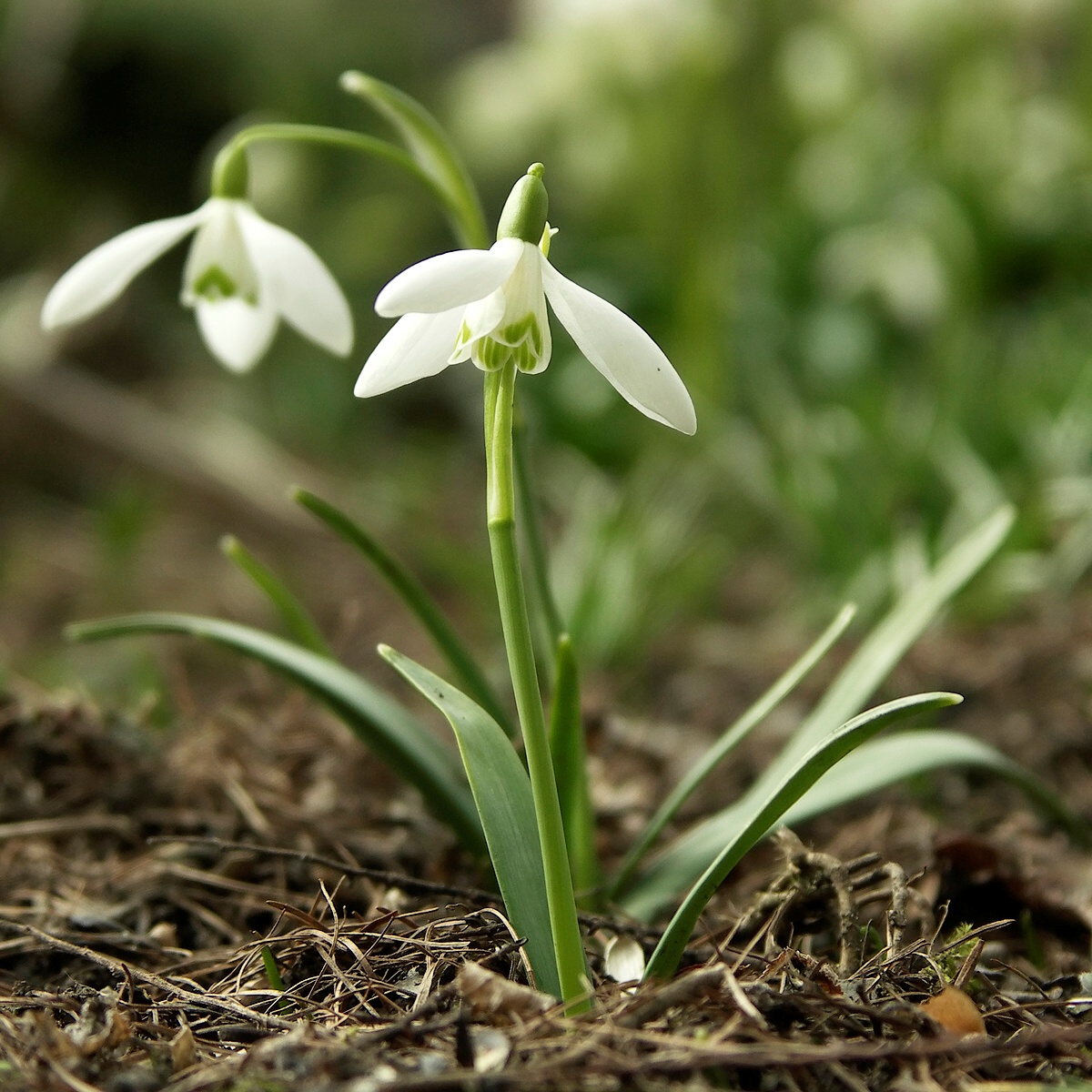 SnowdropGalanthus
White bell-shaped flowers that bloom at the end of winter
🇹🇷 Turkey and 7 more · Wildflower
SnowdropGalanthus
White bell-shaped flowers that bloom at the end of winter
🇹🇷 Turkey and 7 more · Wildflower
More from South Africa
All the flowers of South Africa Eucalyptus
The tall, aromatic trees and shrubs known as gum trees or eucalypts
🇦🇺 Australia and 7 more · Flowering tree
Eucalyptus
The tall, aromatic trees and shrubs known as gum trees or eucalypts
🇦🇺 Australia and 7 more · Flowering tree
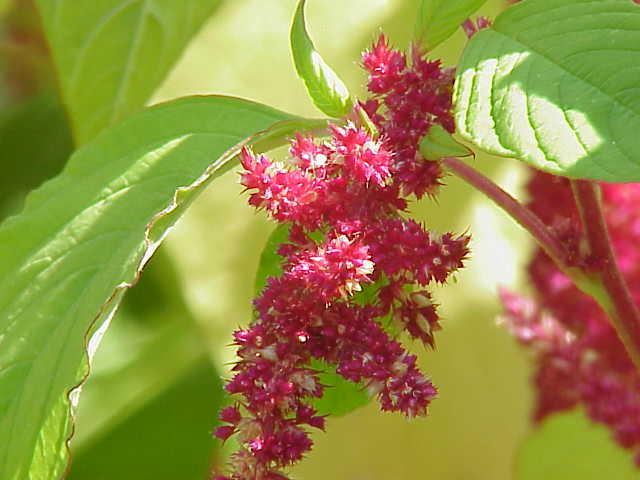 AmaranthAmaranthus
A tall, colourful plant grown for its flowers, leaves and edible seeds
🇲🇽 Mexico and 7 more · Wildflower
AmaranthAmaranthus
A tall, colourful plant grown for its flowers, leaves and edible seeds
🇲🇽 Mexico and 7 more · Wildflower
 Acacia
Shrubs and trees with golden or cream puffball flowers, native mostly to Australia
🇦🇺 Australia and 6 more · Wildflower
Acacia
Shrubs and trees with golden or cream puffball flowers, native mostly to Australia
🇦🇺 Australia and 6 more · Wildflower
 Sensitive PlantMimosa pudica
A touch-sensitive plant whose leaves fold up when disturbed
🇧🇷 Brazil and 8 more · Wildflower
Sensitive PlantMimosa pudica
A touch-sensitive plant whose leaves fold up when disturbed
🇧🇷 Brazil and 8 more · Wildflower