
Cypripedium tibeticum
A high-altitude slipper orchid with deep maroon to pink flowers
Cypripedium tibeticum is a slipper orchid native to Bhutan, Sikkim, and western China, found in open meadows and woodland edges at high elevations. Its single, pouch-shaped flower varies from deep maroon to pink and blooms from May to July, often forming large clumps in the wild.
- Native to Bhutan, Sikkim, and western China at 2300–4600 m altitude
- Single flower per stem, ranging from deep maroon to pink
- Blooms from May to July in open meadows and woodland edges
- Forms large clumps or colonies in the wild
- Closely related to other slipper orchids and known to hybridise
What does Cypripedium tibeticum look like?
Cypripedium tibeticum is a perennial orchid that stands 13 to 35 cm tall. Each plant has three smooth leaves and usually produces a single flower before the leaves are fully grown. The flower is pouch-shaped, with wrinkled and crimped edges, and its colour ranges from deep maroon to pink. The plant often forms large clumps or colonies in its natural habitat.
Where does Cypripedium tibeticum come from?
This orchid is native to the high-altitude regions of Bhutan, Sikkim, and western China, including Tibet, Yunnan, and Sichuan. It grows wild in open mountain meadows, woodland edges, and on limestone screes between 2300 and 4600 meters. The species is closely related to other Cypripedium orchids and sometimes hybridises naturally with them.
When and how Cypripedium tibeticum blooms
Cypripedium tibeticum blooms from May to July. In the wild, it prefers open grasslands and limestone soils. For cultivation, it needs a cool, fresh environment with constant summer watering and protection from harsh winter conditions. The soil should be slightly acidic to neutral, and the plant is not considered easy for beginners to grow.


How Cypripedium tibeticum is used
There are no specific traditional or cultural uses reported for Cypripedium tibeticum in the sources. It is mainly appreciated by orchid enthusiasts and botanists for its unique flower and high-altitude habitat. In gardens, it is grown for its ornamental value, though it is challenging to cultivate.
Kinds of Cypripedium tibeticum
Cypripedium tibeticum is highly variable in flower colour and can be difficult to distinguish from related species like C. macranthos and C. calcicola. It is also known to hybridise naturally with species such as C. himalaicum and is a parent of the hybrid Cypripedium × wenqingiae.
What Cypripedium tibeticum means
The sources do not mention any symbolic meaning or cultural significance for Cypripedium tibeticum. Its main interest lies in its botanical characteristics and its adaptation to high mountain environments. It is valued among collectors for its striking flower and variability.
Questions people ask about Cypripedium tibeticum
Where does Cypripedium tibeticum come from?
Cypripedium tibeticum is native to Bhutan, Sikkim, and western China, including regions such as Tibet, Yunnan, and Sichuan. It grows at high elevations in open meadows and woodland margins.
What does the flower of Cypripedium tibeticum look like?
The flower is pouch-shaped, with wrinkled and crimped edges, and varies in colour from deep maroon to pink. Each stem usually bears a single flower before the leaves are fully developed.
When does Cypripedium tibeticum bloom?
It blooms from May to July, with flowers appearing usually before the leaves are fully grown.
Is Cypripedium tibeticum easy to grow in gardens?
It is not considered a beginner's orchid. It requires cool, fresh conditions, protection in winter, and specific soil, making it a challenge to cultivate outside its natural habitat.
Does Cypripedium tibeticum have any symbolic meaning?
The sources do not mention any particular symbolism or cultural use for this species. It is mainly valued by botanists and orchid enthusiasts for its unique appearance and alpine habitat.
Good reading and sources
- IUCN Red List of Threatened SpeciesIUCN Red List, Article
- Plants of the World OnlineRoyal Botanic Gardens, Kew, Plant database
- Where it has been recordedGBIF, Plant database
- Sightings and photos by naturalistsiNaturalist, Plant database
- Cypripedium tibeticum on WikipediaEncyclopedia
- More photos on Wikimedia CommonsPhotos
- Wikidata recordOpen data
The facts on this page come from the Wikipedia article "Cypripedium tibeticum", written by its contributors and used under the CC BY-SA 4.0 licence, and from its Wikidata record (CC0). Phool rewrote the text in its own words, with AI assistance, and compares every page with the article to make sure no passage is copied. It may be reused under the same CC BY-SA 4.0 licence with a link back.
It may contain mistakes. It is not medical or foraging advice: many flowers are poisonous, and traditional uses are reported, not recommended. If something is wrong, tell us. Last refreshed 2026-10-03.
Others in the family Orchidaceae
The whole family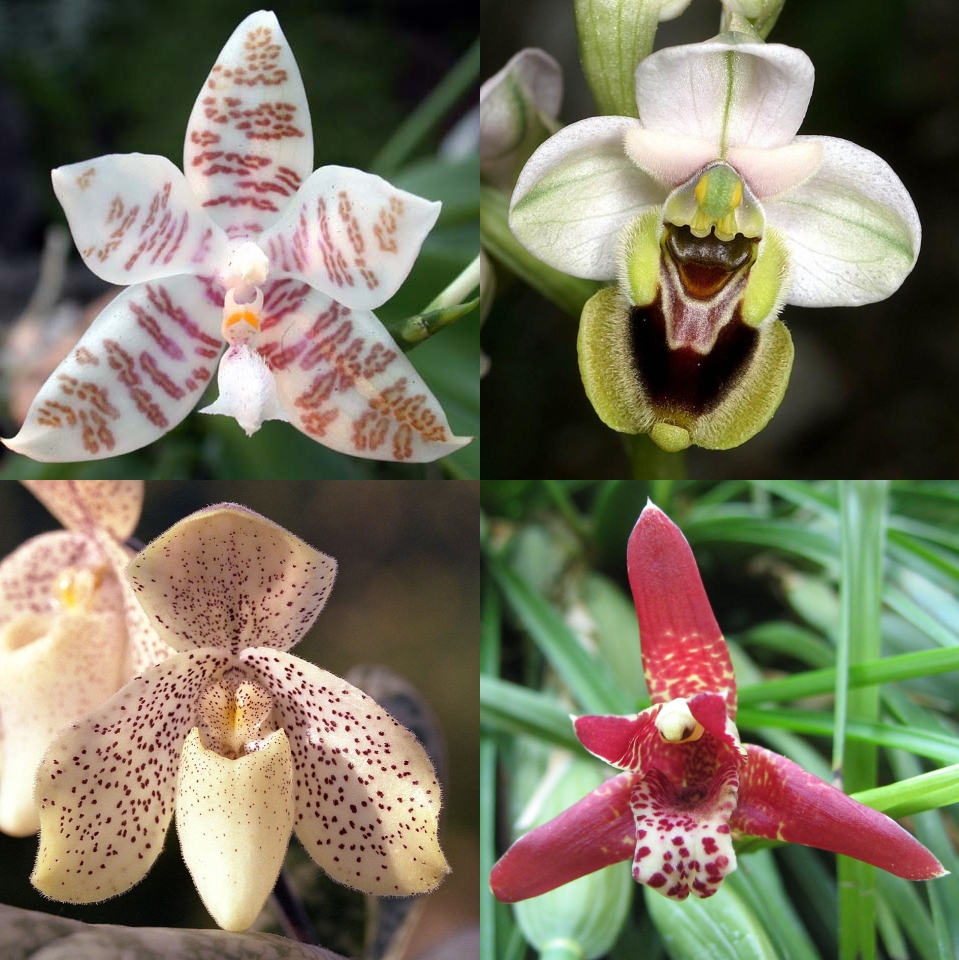 OrchidOrchidaceae
A vast family of colourful, often fragrant flowers found almost everywhere on earth
Orchidaceae · Wildflower
OrchidOrchidaceae
A vast family of colourful, often fragrant flowers found almost everywhere on earth
Orchidaceae · Wildflower
 Vanilla
Climbing orchids with pods used for the world’s most popular flavor
🇲🇽 Mexico and 7 more · Wildflower
Vanilla
Climbing orchids with pods used for the world’s most popular flavor
🇲🇽 Mexico and 7 more · Wildflower
 Orchis
A group of wild orchids with tuberous roots from Europe, North Africa and Asia
🇹🇷 Turkey and 7 more · Wildflower
Orchis
A group of wild orchids with tuberous roots from Europe, North Africa and Asia
🇹🇷 Turkey and 7 more · Wildflower
 Waling-walingVanda sanderiana
A rare orchid known as the 'Queen of Philippine flowers'
🇵🇭 Philippines · Orchid
Waling-walingVanda sanderiana
A rare orchid known as the 'Queen of Philippine flowers'
🇵🇭 Philippines · Orchid
More from China
All the flowers of China PeachPrunus persica
A flowering fruit tree from China, grown for its pink blossoms and sweet fruit
🇨🇳 China and 7 more · Flowering tree
PeachPrunus persica
A flowering fruit tree from China, grown for its pink blossoms and sweet fruit
🇨🇳 China and 7 more · Flowering tree
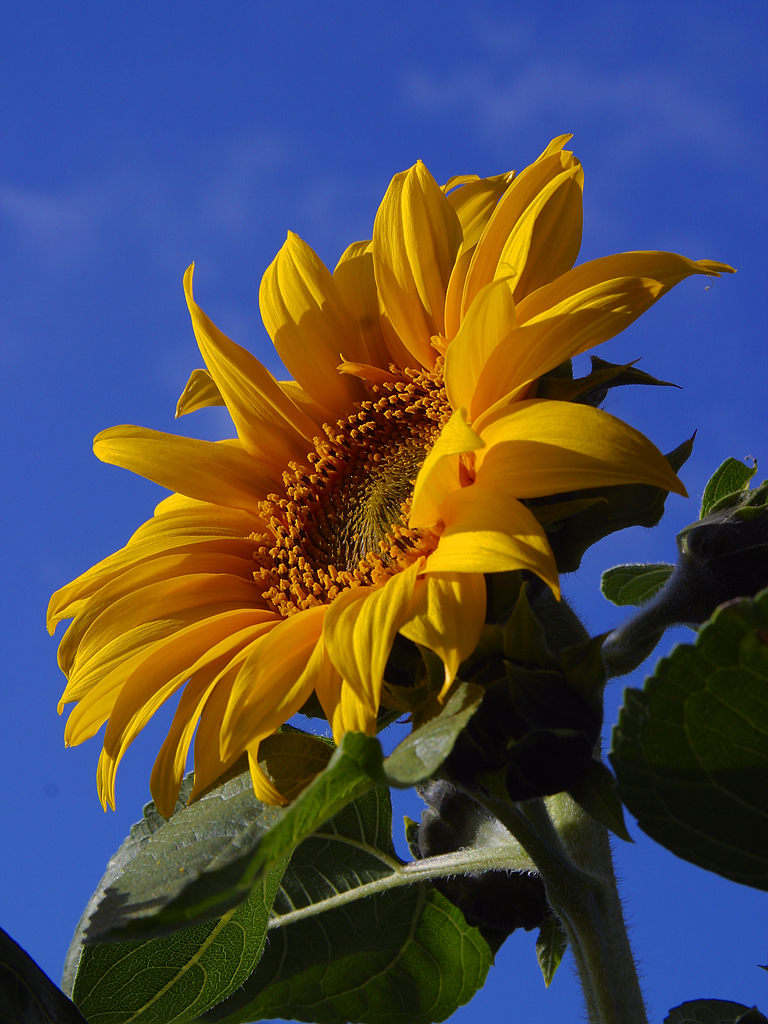 Common sunflowerHelianthus annuus
A tall annual plant grown for its large yellow flower heads and edible seeds
🇨🇦 Canada and 4 more · Wildflower
Common sunflowerHelianthus annuus
A tall annual plant grown for its large yellow flower heads and edible seeds
🇨🇦 Canada and 4 more · Wildflower
 PomegranatePunica granatum
A shrub with bright red flowers and a fruit full of edible seeds
🇮🇷 Iran and 9 more · Flowering shrub
PomegranatePunica granatum
A shrub with bright red flowers and a fruit full of edible seeds
🇮🇷 Iran and 9 more · Flowering shrub
 BirchBetula
Slender trees with papery bark found across the northern world
🇨🇳 China and 7 more · Wildflower
BirchBetula
Slender trees with papery bark found across the northern world
🇨🇳 China and 7 more · Wildflower