
Noble dendrobium
Dendrobium nobile, family Orchidaceae
In its own language: 石斛兰
A fragrant orchid with waxy blooms from the Himalayas and southern China
Noble dendrobium is an orchid with fragrant, waxy flowers in white, pink, or purple shades. Native to southern China, the Himalayas, and Indochina, it grows on trees or rocks and is widely kept as a houseplant. It is valued in traditional Chinese medicine and is the state flower of Sikkim, India.
- State flower of Sikkim, India
- Fragrant waxy blooms in winter and spring
- Used in traditional Chinese medicine as shí hú
- Native to southern China, the Himalayas, and Indochina
- Flowers range from white to pink and purple
What does Noble dendrobium look like?
Noble dendrobium is an orchid that grows in clumps, with upright stems called pseudobulbs. Its leaves are long and strap-shaped, staying green through the year. The flowers appear along the stems in short clusters, each bearing two to four blooms. These flowers are waxy, fragrant, and come in a range of colors from white to pink and purple. Different cultivated varieties show various sizes and shades.
Where does Noble dendrobium come from?
This orchid is native to southern China, including Tibet, and extends through the Himalayas into Indochina. It grows in both lowland and mountain forests, often attached to trees or mossy limestone rocks. Over time, it has spread through cultivation and is now grown in many places as a decorative plant. It is also reported to be naturalized in Hawaii. The plant is recognized as the state flower of Sikkim in India.
When and how Noble dendrobium blooms
Noble dendrobium blooms mainly in winter and spring. It thrives in warm, humid climates and does not tolerate frost, surviving outdoors only in very mild regions. In cultivation, it is often grown as a houseplant for its winter flowers. The plant grows from cuttings or divisions, forming new shoots from the base of old stems. It is kept in well-drained media, often attached to bark or moss.

How Noble dendrobium is used
People grow noble dendrobium mainly for its decorative flowers, especially when little else is in bloom. It is widely used as a houseplant and is popular in botanical collections. In traditional Chinese medicine, the stems are used as one of the 50 fundamental herbs, known as shí hú. However, it is considered unsafe as a food supplement in the EU without safety checks. The plant is also an emblem for Sikkim.
Kinds of Noble dendrobium
There are many cultivated varieties of noble dendrobium, differing in flower size and color. Some have deeper pink or purple shades, while others are closer to white. The species is part of a large genus, Dendrobium, which includes many other orchids with similar growth habits. The plant is grown in collections such as Kew Gardens in London.
What Noble dendrobium means
Noble dendrobium holds cultural importance as the state flower of Sikkim, India. In China, it is valued in traditional medicine and known by the names shí hú and shí hú lán. The plant is also studied for its complex chemistry, and contains compounds such as dendrobine, which is toxic. It is a popular ornamental orchid worldwide.
Questions people ask about Noble dendrobium
Where does noble dendrobium come from?
Noble dendrobium is native to southern China, the Himalayas, and Indochina. It grows wild in forests, often on trees or mossy rocks, and is found in countries like China, India, Nepal, Bhutan, Myanmar, Thailand, Laos, and Vietnam.
What does the noble dendrobium flower look like?
Its flowers are waxy and fragrant, appearing in clusters along upright stems. The blooms vary in color from white to pink and purple, and different varieties show a range of sizes and shades.
How is noble dendrobium used?
It is grown as a decorative houseplant for its colorful winter and spring flowers. In China, the stems are used in traditional medicine as one of the 50 fundamental herbs, called shí hú.
Is noble dendrobium toxic?
The plant contains dendrobine, a toxic compound. It is considered unsafe for use in food supplements in the EU without a safety assessment.
What does noble dendrobium symbolize?
It is the state flower of Sikkim, India, and is valued in Chinese culture for its medicinal uses. The sources do not mention other symbolic meanings.
Good reading and sources
- Dendrobium nobileRoyal Horticultural Society, Article
- Plants of the World OnlineRoyal Botanic Gardens, Kew, Plant database
- Where it has been recordedGBIF, Plant database
- Sightings and photos by naturalistsiNaturalist, Plant database
- Dendrobium nobile on WikipediaEncyclopedia
- More photos on Wikimedia CommonsPhotos
- Wikidata recordOpen data
The facts on this page come from the Wikipedia article "Dendrobium nobile", written by its contributors and used under the CC BY-SA 4.0 licence, and from its Wikidata record (CC0). Phool rewrote the text in its own words, with AI assistance, and compares every page with the article to make sure no passage is copied. It may be reused under the same CC BY-SA 4.0 licence with a link back.
It may contain mistakes. It is not medical or foraging advice: many flowers are poisonous, and traditional uses are reported, not recommended. If something is wrong, tell us. Last refreshed 2026-10-03.
Others in the family Orchidaceae
The whole family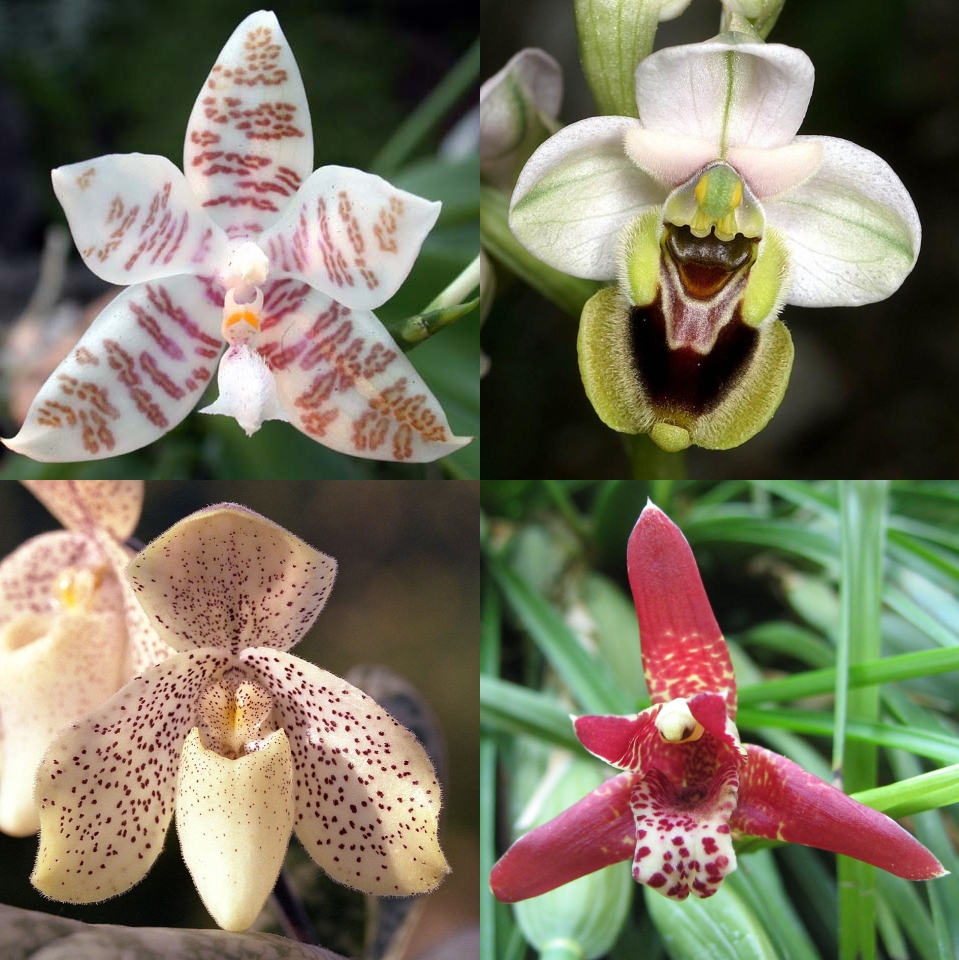 OrchidOrchidaceae
A vast family of colourful, often fragrant flowers found almost everywhere on earth
Orchidaceae · Wildflower
OrchidOrchidaceae
A vast family of colourful, often fragrant flowers found almost everywhere on earth
Orchidaceae · Wildflower
 Vanilla
Climbing orchids with pods used for the world’s most popular flavor
🇲🇽 Mexico and 7 more · Wildflower
Vanilla
Climbing orchids with pods used for the world’s most popular flavor
🇲🇽 Mexico and 7 more · Wildflower
 Orchis
A group of wild orchids with tuberous roots from Europe, North Africa and Asia
🇹🇷 Turkey and 7 more · Wildflower
Orchis
A group of wild orchids with tuberous roots from Europe, North Africa and Asia
🇹🇷 Turkey and 7 more · Wildflower
 Pansy orchidMiltoniopsis
An orchid with flowers that resemble garden pansies
🇨🇷 Costa Rica and 5 more · Orchid
Pansy orchidMiltoniopsis
An orchid with flowers that resemble garden pansies
🇨🇷 Costa Rica and 5 more · Orchid
More from China
All the flowers of China PeachPrunus persica
A flowering fruit tree from China, grown for its pink blossoms and sweet fruit
🇨🇳 China and 7 more · Flowering tree
PeachPrunus persica
A flowering fruit tree from China, grown for its pink blossoms and sweet fruit
🇨🇳 China and 7 more · Flowering tree
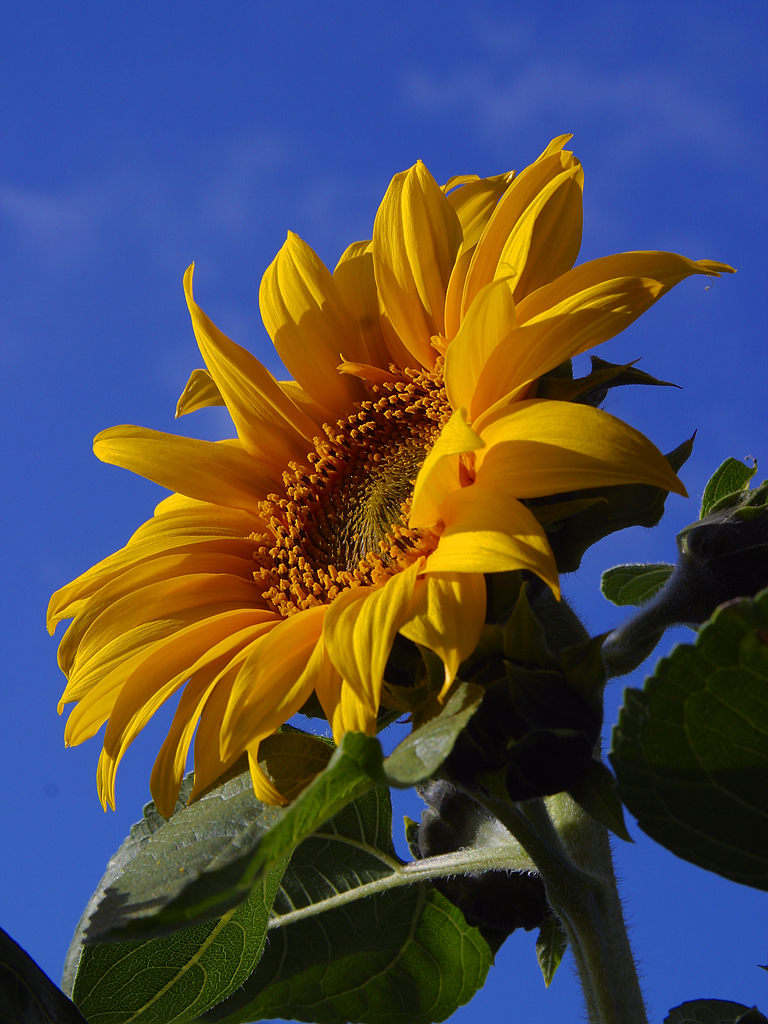 Common sunflowerHelianthus annuus
A tall annual plant grown for its large yellow flower heads and edible seeds
🇨🇦 Canada and 4 more · Wildflower
Common sunflowerHelianthus annuus
A tall annual plant grown for its large yellow flower heads and edible seeds
🇨🇦 Canada and 4 more · Wildflower
 PomegranatePunica granatum
A shrub with bright red flowers and a fruit full of edible seeds
🇮🇷 Iran and 9 more · Flowering shrub
PomegranatePunica granatum
A shrub with bright red flowers and a fruit full of edible seeds
🇮🇷 Iran and 9 more · Flowering shrub
 BirchBetula
Slender trees with papery bark found across the northern world
🇨🇳 China and 7 more · Wildflower
BirchBetula
Slender trees with papery bark found across the northern world
🇨🇳 China and 7 more · Wildflower