
Glandular Cape marigold
Dimorphotheca sinuata, family Asteraceae
A spring-blooming daisy from southern Africa with orange or yellow flowers
Glandular Cape marigold is a flowering annual native to western South Africa and Namibia. It grows in sandy, winter-rainfall areas and produces orange or yellow daisy-like blooms in early spring. The plant is also grown as an ornamental and has naturalized in parts of the southwestern United States.
- Native to western South Africa and Namibia
- Blooms early in spring after winter rains
- Flowers are yellow or orange, often with purple markings
- Naturalized in California and Arizona
- Grows in sandy desert soils
What does Glandular Cape marigold look like?
Glandular Cape marigold is an annual plant that can grow over 30 cm tall. Its flower heads are daisy-like, usually yellow or orange, and often show purple markings. Each flower contains both ray florets, which look like petals, and disc florets at the center. The plant has a soft, leafy stem and is well adapted to sandy soils.
Where does Glandular Cape marigold come from?
This species is native to the western parts of South Africa and Namibia, especially in regions that get most of their rain in winter. It is adapted to sandy deserts and open ground. Over time, it has been introduced to other parts of the world as a garden plant and has become naturalized in places like California and Arizona in the United States.
When and how Glandular Cape marigold blooms
Glandular Cape marigold blooms early in spring, taking advantage of the winter rains in its native habitat. It grows easily from seed, often sown in autumn to catch the seasonal moisture. The plant prefers sandy, well-drained soils and open, sunny spots. In gardens, it is valued for its bright spring display.


How Glandular Cape marigold is used
People grow this daisy mainly for its colorful flowers, which brighten gardens and wildflower displays. In its native range, it is a well-known part of the spring landscape. It is also used in ornamental plantings in other countries, especially where conditions are similar to its home.
Kinds of Glandular Cape marigold
The plant is sometimes called by the synonym Dimorphotheca aurantiaca in horticulture. Its common names, such as Namaqualand daisy and orange Namaqualand daisy, reflect its regional identity and flower color. There are no other notable varieties or cultivars mentioned in the sources.
What Glandular Cape marigold means
Glandular Cape marigold is closely tied to the spring wildflower displays of Namaqualand in South Africa, where fields bloom with its orange and yellow flowers. It is valued for its ability to thrive in dry, sandy areas and is a symbol of the region’s seasonal transformation.
Traditions that use it
Where to see Glandular Cape marigold
 🇿🇦 Springbok · Aug to SepNamaqualand daisy seasonA semi-desert in the north-west of South Africa that turns orange with daisies after winter rain.
 🇿🇦 Cape Town · Aug to SepThe flower route from Cape Town to NieuwoudtvilleA spring road trip north from Cape Town through a chain of wildflower reserves.
Questions people ask about Glandular Cape marigold
Where does the glandular Cape marigold come from?
It is native to western South Africa and Namibia, especially in regions with winter rainfall and sandy soils.
What does the flower look like?
The plant has daisy-like flower heads that are usually yellow or orange, often with purple markings, and grows up to 30 cm tall.
When does it bloom?
It flowers early in spring, making the most of the moisture from winter rains in its native habitat.
Where else is it found outside Africa?
It has naturalized in parts of the United States, mainly in California and Arizona, where it is also grown as an ornamental.
What is the plant used for?
Glandular Cape marigold is grown for its bright, colorful flowers in gardens and wildflower displays.
Good reading and sources
- USDA Plants DatabaseUS Department of Agriculture, Article
- Plants of the World OnlineRoyal Botanic Gardens, Kew, Plant database
- Where it has been recordedGBIF, Plant database
- Sightings and photos by naturalistsiNaturalist, Plant database
- Dimorphotheca sinuata on WikipediaEncyclopedia
- More photos on Wikimedia CommonsPhotos
- Wikidata recordOpen data
The facts on this page come from the Wikipedia article "Dimorphotheca sinuata", written by its contributors and used under the CC BY-SA 4.0 licence, and from its Wikidata record (CC0). Phool rewrote the text in its own words, with AI assistance, and compares every page with the article to make sure no passage is copied. It may be reused under the same CC BY-SA 4.0 licence with a link back.
It may contain mistakes. It is not medical or foraging advice: many flowers are poisonous, and traditional uses are reported, not recommended. If something is wrong, tell us. Last refreshed 2026-10-03.
Others in the family Asteraceae
The whole family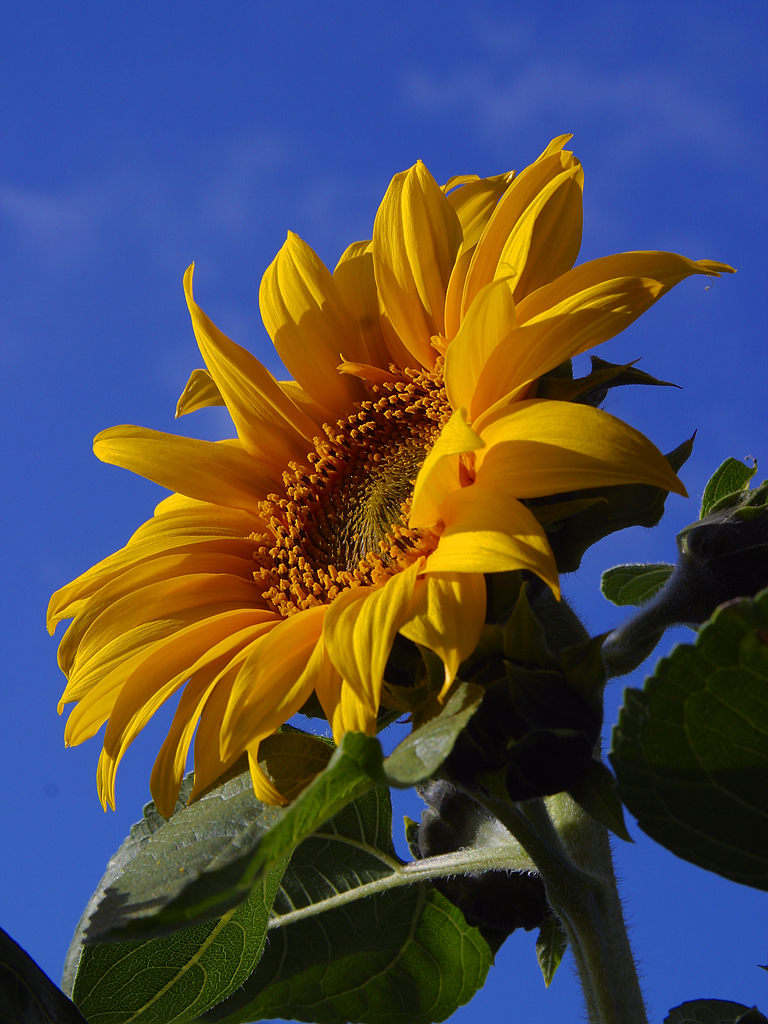 Common sunflowerHelianthus annuus
A tall annual plant grown for its large yellow flower heads and edible seeds
🇨🇦 Canada and 4 more · Wildflower
Common sunflowerHelianthus annuus
A tall annual plant grown for its large yellow flower heads and edible seeds
🇨🇦 Canada and 4 more · Wildflower
 Chrysanthemum菊花
Autumn-blooming flower with thousands of varieties, cherished in East Asia and beyond
🇨🇳 China and 6 more · Wildflower
Chrysanthemum菊花
Autumn-blooming flower with thousands of varieties, cherished in East Asia and beyond
🇨🇳 China and 6 more · Wildflower
 DandelionTaraxacum
A yellow-flowered perennial found in fields, lawns, and gardens worldwide
Taraxacum · Wildflower
DandelionTaraxacum
A yellow-flowered perennial found in fields, lawns, and gardens worldwide
Taraxacum · Wildflower
 Dahlia
A bushy perennial with tuberous roots and bright, star-shaped blooms
🇲🇽 Mexico and 1 more · Garden flower
Dahlia
A bushy perennial with tuberous roots and bright, star-shaped blooms
🇲🇽 Mexico and 1 more · Garden flower
More from South Africa
All the flowers of South Africa Eucalyptus
The tall, aromatic trees and shrubs known as gum trees or eucalypts
🇦🇺 Australia and 7 more · Flowering tree
Eucalyptus
The tall, aromatic trees and shrubs known as gum trees or eucalypts
🇦🇺 Australia and 7 more · Flowering tree
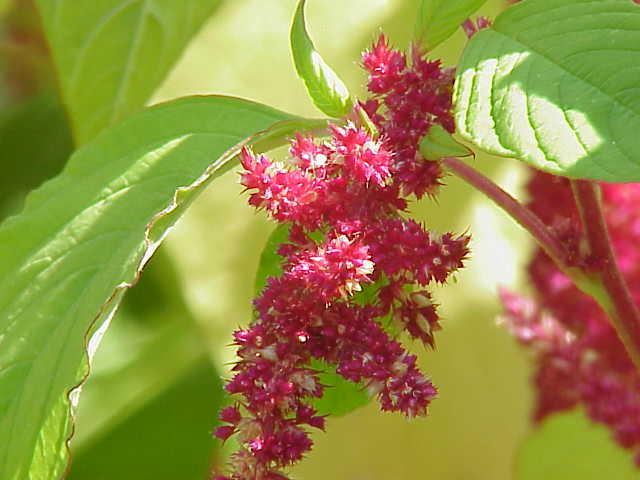 AmaranthAmaranthus
A tall, colourful plant grown for its flowers, leaves and edible seeds
🇲🇽 Mexico and 7 more · Wildflower
AmaranthAmaranthus
A tall, colourful plant grown for its flowers, leaves and edible seeds
🇲🇽 Mexico and 7 more · Wildflower
 Acacia
Shrubs and trees with golden or cream puffball flowers, native mostly to Australia
🇦🇺 Australia and 6 more · Wildflower
Acacia
Shrubs and trees with golden or cream puffball flowers, native mostly to Australia
🇦🇺 Australia and 6 more · Wildflower
 Sensitive PlantMimosa pudica
A touch-sensitive plant whose leaves fold up when disturbed
🇧🇷 Brazil and 8 more · Wildflower
Sensitive PlantMimosa pudica
A touch-sensitive plant whose leaves fold up when disturbed
🇧🇷 Brazil and 8 more · Wildflower