
Red Disa
Disa uniflora, family Orchidaceae
A striking red orchid from the mountain streams of South Africa
Red Disa is a perennial orchid native to the mountain ranges of South Africa’s Western Cape. Its large, vivid red flowers bloom by streams and waterfalls in summer, attracting butterflies for pollination. The plant is a local emblem and features in regional badges and medals.
- Grows only in the mountain streams of South Africa's Western Cape
- Large red flowers bloom from January to March
- Pollinated by the mountain pride butterfly
- Emblem of the Mountain Club of South Africa since 1891
What does Red Disa look like?
Red Disa is a robust orchid that grows between 15 and 60 cm tall and spreads by stolons. Its leaves are long and narrow, with the lower ones standing partly upright. Each plant produces one to three large flowers, about 10 cm across, with broad red sepals and smaller yellow petals marked with red spots. The upright sepal is pinkish inside with red veins. The flowers have no scent but are visually striking.
Where does Red Disa come from?
This orchid is native to the Western Cape of South Africa, where it grows wild along cool, clear streams and near waterfalls in the mountain ranges from Table Mountain north to the Cederberg. Its range is limited to these sandstone mountains and does not extend to the variable shores of local dams. The species is well known in its home region and is the type species for its genus.
When and how Red Disa blooms
Red Disa flowers during the summer, mainly from January to March. It thrives in moist, rocky places with steady water, such as mountain seeps and stream banks. The plant is perennial and spreads by producing stolons. In cultivation, it is grown for its showy flowers, but it needs conditions similar to its natural habitat.


How Red Disa is used
Locally, the Red Disa is celebrated as a symbol. Its image appears on the badges of the Mountain Club of South Africa and Western Province sports teams, and it is featured on the Pro Merito Medal. While admired in gardens for its bright flowers, it is most valued as a regional emblem.
Kinds of Red Disa
Disa uniflora is the best-known species in its genus. It is sometimes confused with Disa ferruginea, another orchid from the same region, but differs in flower color and nectar production. Disa uniflora offers nectar to its pollinator, while D. ferruginea does not.
What Red Disa means
The Red Disa is closely tied to the identity of the Western Cape. It has been the symbol of the Mountain Club of South Africa since 1891 and is used by local sports teams. The flower is also depicted on South African medals, reflecting its status as a regional icon.
Where to see Red Disa

Questions people ask about Red Disa
Where does the Red Disa grow naturally?
It is found along streams and waterfalls in the sandstone mountains of South Africa’s Western Cape, especially around Table Mountain and the Cederberg.
What does the Red Disa flower look like?
The plant produces one to three large, bright red flowers with pink and yellow markings. The sepals are wide and showy, while the petals are smaller and spotted.
How is the Red Disa pollinated?
It relies on the mountain pride butterfly, which is drawn to its red color and nectar. The flower has no scent.
What does the Red Disa symbolise?
It serves as an emblem for several organisations in the Western Cape, including sports teams and the Mountain Club of South Africa.
When does the Red Disa flower?
It blooms in the summer months, mainly from January to March in South Africa.
Good reading and sources
- Encyclopaedia BritannicaArticle
- Plants of the World OnlineRoyal Botanic Gardens, Kew, Plant database
- Where it has been recordedGBIF, Plant database
- Sightings and photos by naturalistsiNaturalist, Plant database
- Disa uniflora on WikipediaEncyclopedia
- More photos on Wikimedia CommonsPhotos
- Wikidata recordOpen data
The facts on this page come from the Wikipedia article "Disa uniflora", written by its contributors and used under the CC BY-SA 4.0 licence, and from its Wikidata record (CC0). Phool rewrote the text in its own words, with AI assistance, and compares every page with the article to make sure no passage is copied. It may be reused under the same CC BY-SA 4.0 licence with a link back.
It may contain mistakes. It is not medical or foraging advice: many flowers are poisonous, and traditional uses are reported, not recommended. If something is wrong, tell us. Last refreshed 2026-10-03.
Others in the family Orchidaceae
The whole family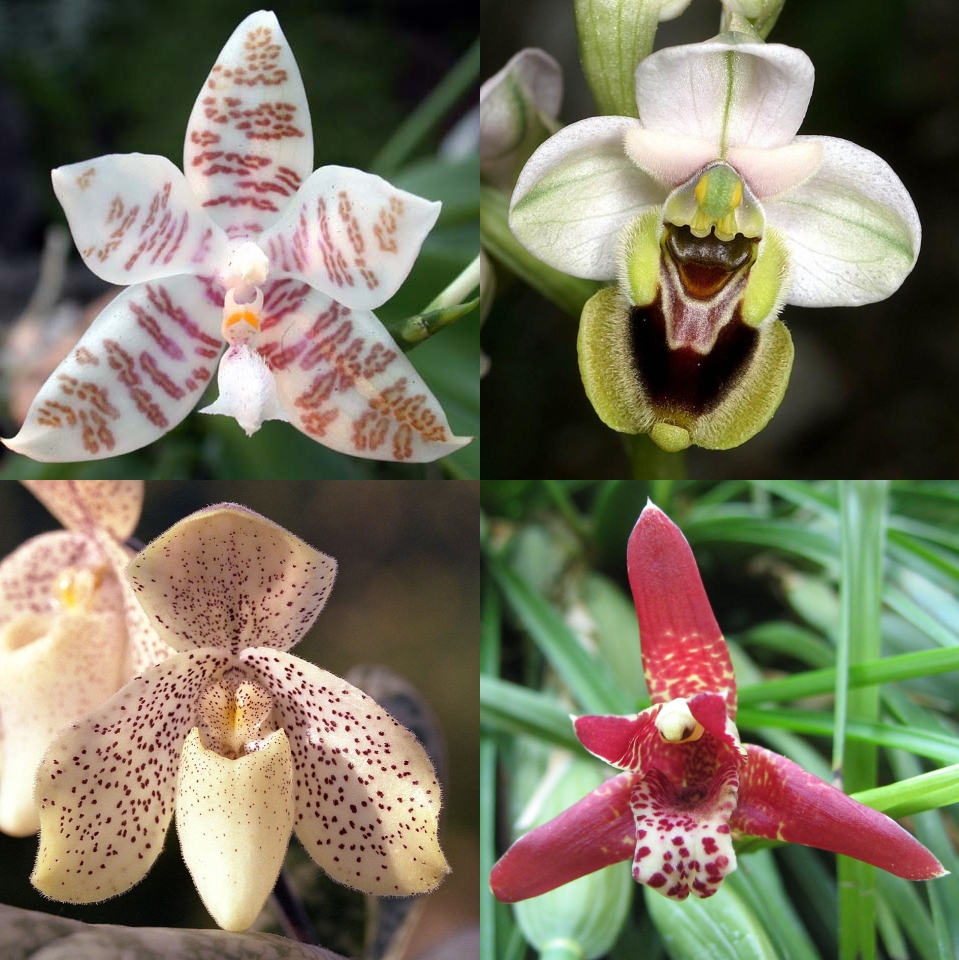 OrchidOrchidaceae
A vast family of colourful, often fragrant flowers found almost everywhere on earth
Orchidaceae · Wildflower
OrchidOrchidaceae
A vast family of colourful, often fragrant flowers found almost everywhere on earth
Orchidaceae · Wildflower
 Vanilla
Climbing orchids with pods used for the world’s most popular flavor
🇲🇽 Mexico and 7 more · Wildflower
Vanilla
Climbing orchids with pods used for the world’s most popular flavor
🇲🇽 Mexico and 7 more · Wildflower
 Orchis
A group of wild orchids with tuberous roots from Europe, North Africa and Asia
🇹🇷 Turkey and 7 more · Wildflower
Orchis
A group of wild orchids with tuberous roots from Europe, North Africa and Asia
🇹🇷 Turkey and 7 more · Wildflower
 Pansy orchidMiltoniopsis
An orchid with flowers that resemble garden pansies
🇨🇷 Costa Rica and 5 more · Orchid
Pansy orchidMiltoniopsis
An orchid with flowers that resemble garden pansies
🇨🇷 Costa Rica and 5 more · Orchid
More from South Africa
All the flowers of South Africa Eucalyptus
The tall, aromatic trees and shrubs known as gum trees or eucalypts
🇦🇺 Australia and 7 more · Flowering tree
Eucalyptus
The tall, aromatic trees and shrubs known as gum trees or eucalypts
🇦🇺 Australia and 7 more · Flowering tree
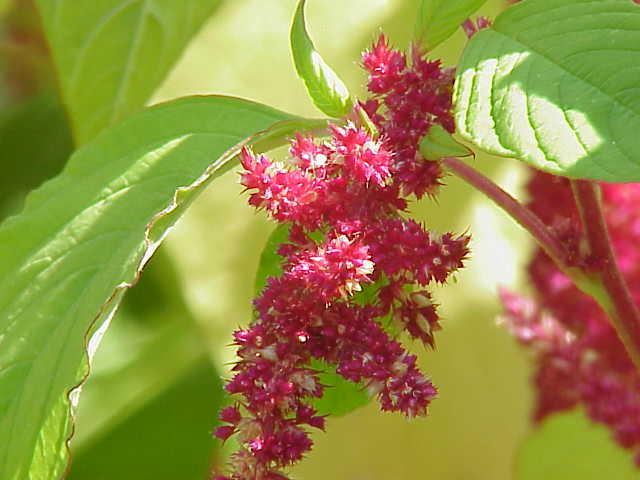 AmaranthAmaranthus
A tall, colourful plant grown for its flowers, leaves and edible seeds
🇲🇽 Mexico and 7 more · Wildflower
AmaranthAmaranthus
A tall, colourful plant grown for its flowers, leaves and edible seeds
🇲🇽 Mexico and 7 more · Wildflower
 Acacia
Shrubs and trees with golden or cream puffball flowers, native mostly to Australia
🇦🇺 Australia and 6 more · Wildflower
Acacia
Shrubs and trees with golden or cream puffball flowers, native mostly to Australia
🇦🇺 Australia and 6 more · Wildflower
 Sensitive PlantMimosa pudica
A touch-sensitive plant whose leaves fold up when disturbed
🇧🇷 Brazil and 8 more · Wildflower
Sensitive PlantMimosa pudica
A touch-sensitive plant whose leaves fold up when disturbed
🇧🇷 Brazil and 8 more · Wildflower