
Dracula
A genus of orchids with strange, long-tailed flowers from Central and South America
Dracula is a group of about 118 orchid species found in Mexico, Central America, and the northwest Andes, especially Ecuador and Colombia. These orchids are known for their unusual, often triangular flowers with long tails and, in some species, blooms that look like monkey faces. They grow in cool, shady forests and are pollinated by fungus gnats.
- About half of all Dracula species are found in Ecuador
- Some Dracula orchids have flowers that look like monkey faces
- The flowers are pollinated by fungus gnats attracted by mushroom mimicry
- Dracula orchids lack pseudobulbs, unlike many other orchids
What does Dracula look like?
Dracula orchids grow in tufts with short rhizomes and no pseudobulbs. Each stem carries a single large, thin, pleated leaf. The flower stalks often hang down from the base and can be very long. Their flowers are usually triangular, with three sepals that have long, tail-like extensions. Some species have blooms that resemble monkey faces. The flowers can be red, maroon, yellow, white, or cream, and are often described as weird or striking due to their shape and tails.
Where does Dracula come from?
Dracula orchids are native to the cool, shaded forests of Mexico, Central America, and the northwest Andes, especially Ecuador and Colombia. Nearly half of the species are found in Ecuador. The genus was separated from Masdevallia in 1978. The name 'Dracula' means 'little dragon', inspired by the dramatic look and sometimes blood-red color of the flowers. These orchids are part of the Pleurothallidinae subtribe.
When and how Dracula blooms
Dracula orchids grow as epiphytes (on trees) or terrestrially in cool, moist, and shaded environments. They spread by forming dense clumps from short rhizomes. The plants produce flower stalks that often hang down and bear single or successive flowers. These orchids do not have pseudobulbs; instead, their leaves can be spongy to store water. They are usually grown from seed in specialized conditions that mimic their native cloud forests.

How Dracula is used
Dracula orchids are mainly grown by orchid enthusiasts and collectors for their unusual and sometimes whimsical flowers. They are not commonly used in cut flower arrangements due to their delicate nature and specific growing needs. Their unique appearance makes them a highlight in orchid collections and botanical gardens, especially in regions where cool, humid conditions can be provided.
Kinds of Dracula
The genus Dracula includes about 118 species, divided into subgenera and sections. Notable species include Dracula simia, known for its monkey-face-like flowers, and Dracula vampira, with dramatic, dark blooms. There are also natural hybrids, such as Dracula × anicula. The genus shows a wide range of flower shapes and colors, but all share the long-tailed sepals.
What Dracula means
Dracula orchids are named after the legendary Count Dracula, reflecting the dramatic look of some species. The flowers' resemblance to monkey faces is a natural coincidence, not a cultural symbol. They are pollinated by fungus gnats, attracted by the flowers' mushroom-like appearance and scent. The genus is valued among orchid specialists for its diversity and unusual forms.
Where to see Dracula

Questions people ask about Dracula
Where do Dracula orchids come from?
Dracula orchids are native to Mexico, Central America, and the northwest Andes, especially Ecuador and Colombia. They grow in cool, shaded forests in these regions.
What do Dracula orchid flowers look like?
Their flowers are usually triangular with long, tail-like sepals. Some species have blooms that resemble monkey faces, and the flowers can be red, maroon, yellow, white, or cream.
Why are they called Dracula?
The name 'Dracula' means 'little dragon' and refers to the dramatic, sometimes blood-red flowers with long tails, as well as a nod to the famous vampire character.
How are Dracula orchids pollinated?
They are pollinated by fungus gnats, which are attracted to the flowers because they mimic the look and scent of mushrooms.
Are Dracula orchids used in any traditions or as emblems?
The sources do not mention any traditional or emblematic uses for Dracula orchids. They are mainly grown by orchid enthusiasts for their unique flowers.
Good reading and sources
- Plants of the World OnlineRoyal Botanic Gardens, Kew, Plant database
- Where it has been recordedGBIF, Plant database
- Sightings and photos by naturalistsiNaturalist, Plant database
- Dracula (plant) on WikipediaEncyclopedia
- More photos on Wikimedia CommonsPhotos
- Wikidata recordOpen data
The facts on this page come from the Wikipedia article "Dracula (plant)", written by its contributors and used under the CC BY-SA 4.0 licence, and from its Wikidata record (CC0). Phool rewrote the text in its own words, with AI assistance, and compares every page with the article to make sure no passage is copied. It may be reused under the same CC BY-SA 4.0 licence with a link back.
It may contain mistakes. It is not medical or foraging advice: many flowers are poisonous, and traditional uses are reported, not recommended. If something is wrong, tell us. Last refreshed 2026-10-03.
Others in the family Orchidaceae
The whole family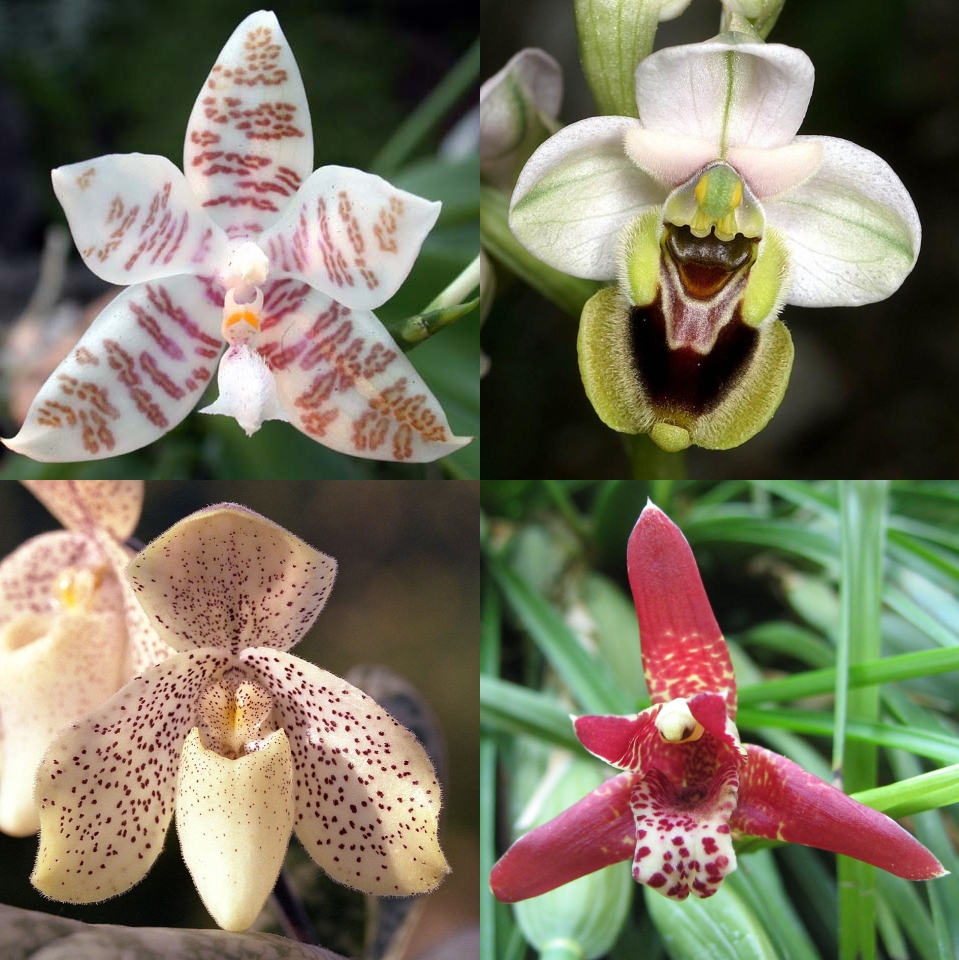 OrchidOrchidaceae
A vast family of colourful, often fragrant flowers found almost everywhere on earth
Orchidaceae · Wildflower
OrchidOrchidaceae
A vast family of colourful, often fragrant flowers found almost everywhere on earth
Orchidaceae · Wildflower
 Vanilla
Climbing orchids with pods used for the world’s most popular flavor
🇲🇽 Mexico and 7 more · Wildflower
Vanilla
Climbing orchids with pods used for the world’s most popular flavor
🇲🇽 Mexico and 7 more · Wildflower
 Orchis
A group of wild orchids with tuberous roots from Europe, North Africa and Asia
🇹🇷 Turkey and 7 more · Wildflower
Orchis
A group of wild orchids with tuberous roots from Europe, North Africa and Asia
🇹🇷 Turkey and 7 more · Wildflower
 Pansy orchidMiltoniopsis
An orchid with flowers that resemble garden pansies
🇨🇷 Costa Rica and 5 more · Orchid
Pansy orchidMiltoniopsis
An orchid with flowers that resemble garden pansies
🇨🇷 Costa Rica and 5 more · Orchid
More from Mexico
All the flowers of Mexico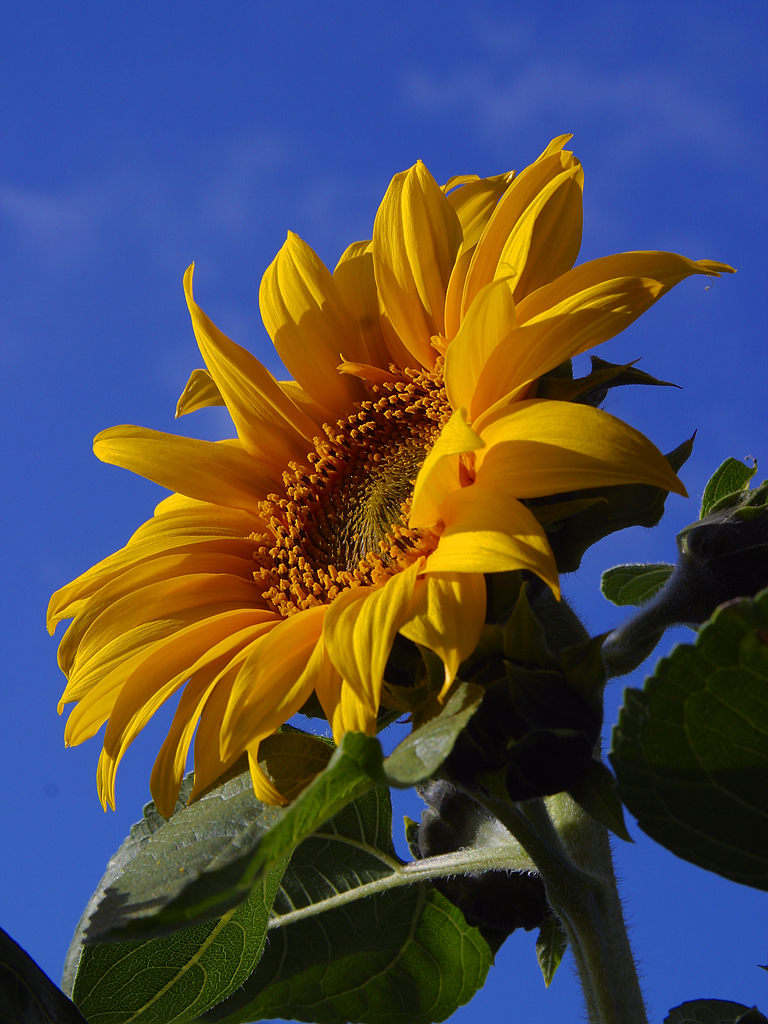 Common sunflowerHelianthus annuus
A tall annual plant grown for its large yellow flower heads and edible seeds
🇨🇦 Canada and 4 more · Wildflower
Common sunflowerHelianthus annuus
A tall annual plant grown for its large yellow flower heads and edible seeds
🇨🇦 Canada and 4 more · Wildflower
 CactusCactaceae
Succulent plants with spines, native to the Americas
🇲🇽 Mexico and 7 more · Wildflower
CactusCactaceae
Succulent plants with spines, native to the Americas
🇲🇽 Mexico and 7 more · Wildflower
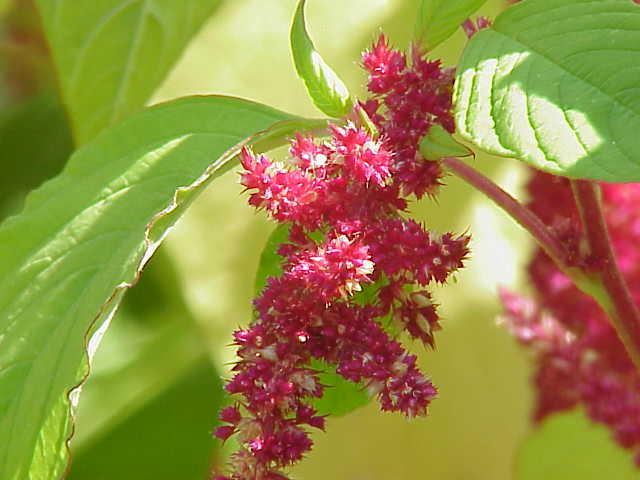 AmaranthAmaranthus
A tall, colourful plant grown for its flowers, leaves and edible seeds
🇲🇽 Mexico and 7 more · Wildflower
AmaranthAmaranthus
A tall, colourful plant grown for its flowers, leaves and edible seeds
🇲🇽 Mexico and 7 more · Wildflower
 HawthornCrataegus
A thorny shrub or tree with white or pink spring flowers and small edible fruits
🇮🇪 Ireland and 7 more · Wildflower
HawthornCrataegus
A thorny shrub or tree with white or pink spring flowers and small edible fruits
🇮🇪 Ireland and 7 more · Wildflower