Encyclia
Epiphytic orchids of the Americas with long-lasting flowers
Encyclia is a genus of orchids found in Florida, Mexico, the Caribbean, and other tropical parts of the Americas. These plants often grow on trees in dry forests and are valued for their ornamental flowers, which can last over a month. Some species are fragrant, and the genus is popular among orchid growers.
- Native to Florida, Mexico, the Caribbean, and tropical America
- Flowers can last over a month
- Some species, like Encyclia fragrans, have a vanilla scent
- Often grown as ornamental orchids
- Most common in dry oak forests
What does Encyclia look like?
Encyclia orchids grow mainly on trees in tropical forests. They have large, onion-shaped pseudobulbs and stiff, drought-resistant leaves. The flowers rise from the top of the plant and can last for more than a month. Some species, such as Encyclia fragrans, produce a vanilla scent. The plants often form large clumps with their spreading rhizomes.
Where does Encyclia come from?
The genus Encyclia is native to Florida, the Caribbean, Mexico, and other tropical regions of the Americas. Most species are found in dry, humid forests, especially dry oak woods, up to 1000 meters in altitude. Encyclia was first separated from the genus Epidendrum in 1828 by William Jackson Hooker. Its name comes from the Greek for 'to encircle', describing the flower's shape.
When and how Encyclia blooms
Encyclia orchids bloom from an apical inflorescence, often in the dry season. In the wild, they shed old pseudobulbs, while in cultivation, growers may divide the plants to keep them manageable. They need little water during winter and are sensitive to overwatering. Some species, like Encyclia tampensis, can be left to form large mounds.
How Encyclia is used
Many Encyclia species are grown as ornamental plants for their long-lasting and sometimes fragrant flowers. They are popular among orchid enthusiasts and are often hybridized with related genera. The flowers are mainly used for home decoration and display, rather than for ceremonies or symbolic purposes.
Kinds of Encyclia
There are many species within Encyclia, with some, like Encyclia cyperifolia, having unique cylindrical leaves. Encyclia tampensis is notable for its ability to grow in large mounds. The genus has also been divided, with related groups such as Euchile and Prosthechea now considered separate.
What Encyclia means
Encyclia orchids are mainly valued for their beauty and are cultivated by collectors and gardeners. They do not have a strong presence in traditional symbolism or religious practice. The genus is known for its ability to hybridize and for the vanilla scent of some species.
Where to see Encyclia

Questions people ask about Encyclia
Where does Encyclia come from?
Encyclia orchids are native to Florida, the Caribbean, Mexico, and other parts of tropical America. They are most often found in dry, humid forests, especially dry oak woods.
What does Encyclia look like?
Encyclia orchids have large, onion-shaped pseudobulbs, stiff leaves, and flowers that rise from the top of the plant. Some species have a vanilla scent, and the flowers can last for more than a month.
How are Encyclia orchids used?
They are mainly grown as ornamental plants for their attractive and sometimes fragrant flowers. Encyclia orchids are popular among collectors and are often hybridized with related genera.
Are there different types of Encyclia?
Yes, there are many species within the Encyclia genus, with some, like Encyclia cyperifolia, having unique features such as cylindrical leaves. Encyclia tampensis is notable for forming large mounds.
What does Encyclia mean?
The name Encyclia comes from the Greek word for 'to encircle', which refers to the way the flower's lip surrounds the column.
Good reading and sources
- USDA Plants DatabaseUS Department of Agriculture, Article
- Plants of the World OnlineRoyal Botanic Gardens, Kew, Plant database
- Where it has been recordedGBIF, Plant database
- Sightings and photos by naturalistsiNaturalist, Plant database
The facts on this page come from the Wikipedia article "Encyclia", written by its contributors and used under the CC BY-SA 4.0 licence, and from its Wikidata record (CC0). Phool rewrote the text in its own words, with AI assistance, and compares every page with the article to make sure no passage is copied. It may be reused under the same CC BY-SA 4.0 licence with a link back.
It may contain mistakes. It is not medical or foraging advice: many flowers are poisonous, and traditional uses are reported, not recommended. If something is wrong, tell us. Last refreshed 2026-10-03.
Others in the family Orchidaceae
The whole family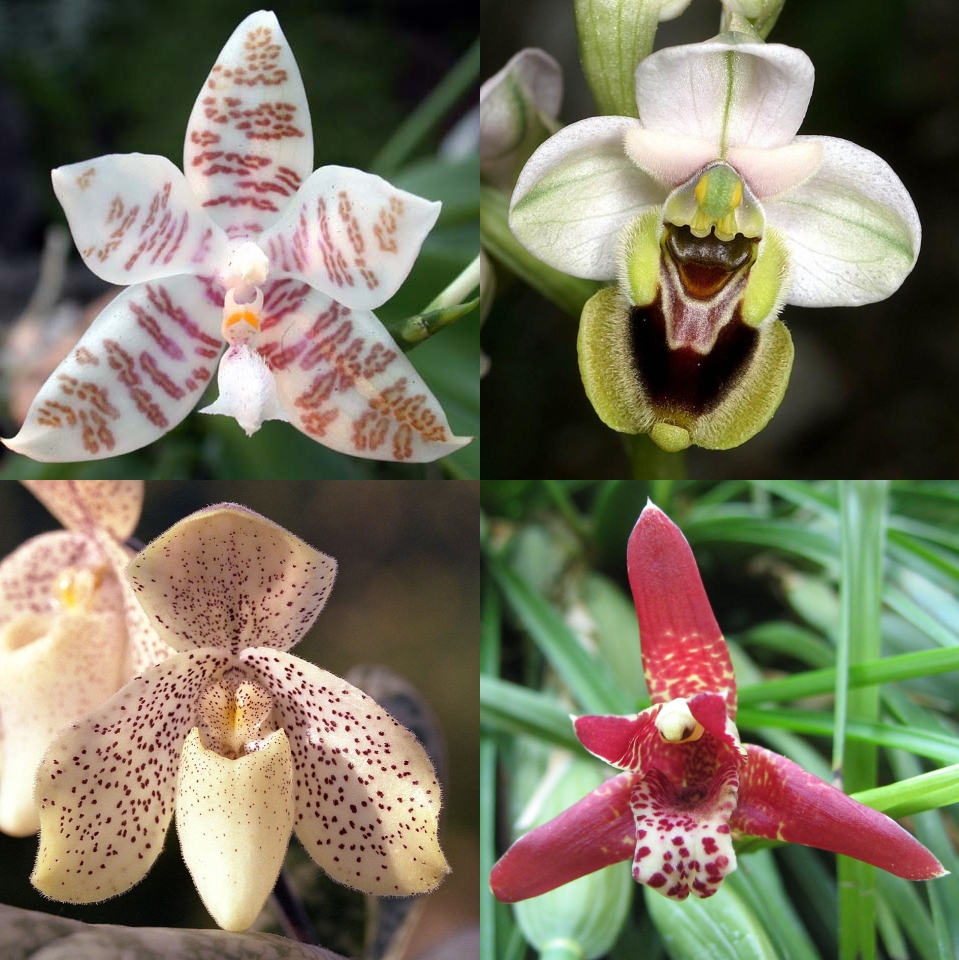 OrchidOrchidaceae
A vast family of colourful, often fragrant flowers found almost everywhere on earth
Orchidaceae · Wildflower
OrchidOrchidaceae
A vast family of colourful, often fragrant flowers found almost everywhere on earth
Orchidaceae · Wildflower
 Vanilla
Climbing orchids with pods used for the world’s most popular flavor
🇲🇽 Mexico and 7 more · Wildflower
Vanilla
Climbing orchids with pods used for the world’s most popular flavor
🇲🇽 Mexico and 7 more · Wildflower
 Orchis
A group of wild orchids with tuberous roots from Europe, North Africa and Asia
🇹🇷 Turkey and 7 more · Wildflower
Orchis
A group of wild orchids with tuberous roots from Europe, North Africa and Asia
🇹🇷 Turkey and 7 more · Wildflower
 Pansy orchidMiltoniopsis
An orchid with flowers that resemble garden pansies
🇨🇷 Costa Rica and 5 more · Orchid
Pansy orchidMiltoniopsis
An orchid with flowers that resemble garden pansies
🇨🇷 Costa Rica and 5 more · Orchid
More from Mexico
All the flowers of Mexico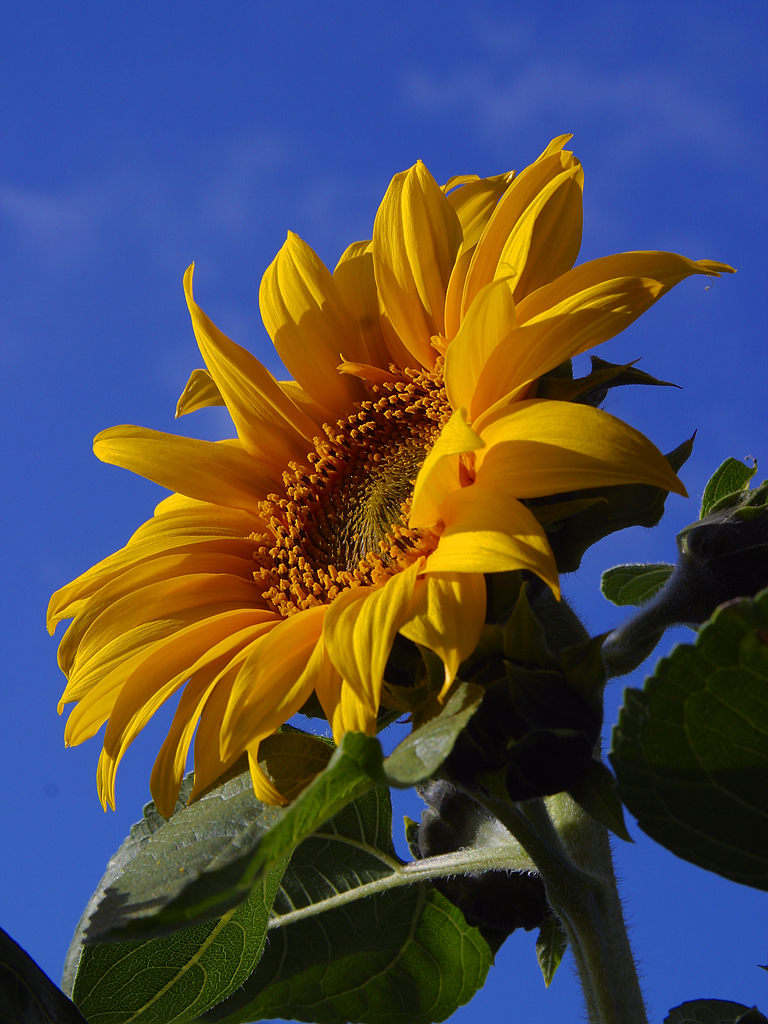 Common sunflowerHelianthus annuus
A tall annual plant grown for its large yellow flower heads and edible seeds
🇨🇦 Canada and 4 more · Wildflower
Common sunflowerHelianthus annuus
A tall annual plant grown for its large yellow flower heads and edible seeds
🇨🇦 Canada and 4 more · Wildflower
 CactusCactaceae
Succulent plants with spines, native to the Americas
🇲🇽 Mexico and 7 more · Wildflower
CactusCactaceae
Succulent plants with spines, native to the Americas
🇲🇽 Mexico and 7 more · Wildflower
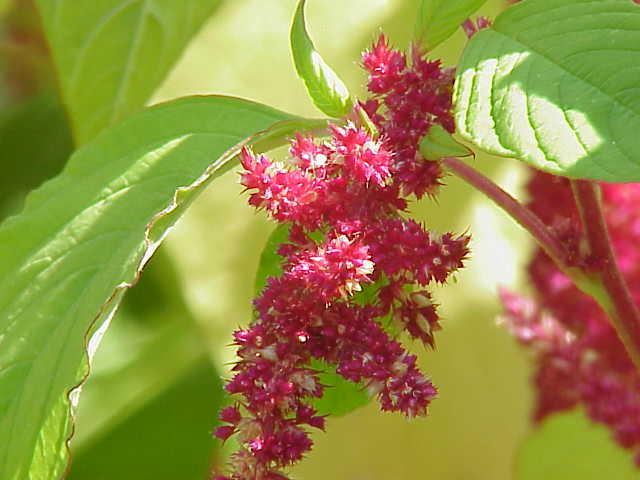 AmaranthAmaranthus
A tall, colourful plant grown for its flowers, leaves and edible seeds
🇲🇽 Mexico and 7 more · Wildflower
AmaranthAmaranthus
A tall, colourful plant grown for its flowers, leaves and edible seeds
🇲🇽 Mexico and 7 more · Wildflower
 HawthornCrataegus
A thorny shrub or tree with white or pink spring flowers and small edible fruits
🇮🇪 Ireland and 7 more · Wildflower
HawthornCrataegus
A thorny shrub or tree with white or pink spring flowers and small edible fruits
🇮🇪 Ireland and 7 more · Wildflower