
Cockspur Coral Tree
Erythrina crista-galli, family Fabaceae
A red-flowered tree, national symbol of Argentina and Uruguay
Cockspur coral tree is a small tree with striking red flowers, found along rivers and wetlands in Argentina, Uruguay, Bolivia, southern Brazil, and Paraguay. Its blossoms are a national emblem in Argentina and Uruguay, and the tree is often planted in parks and streets for its vivid summer display.
- National flower of Argentina and Uruguay
- Grows along rivers and wetlands in the Southern Cone
- Produces clusters of bright red, butterfly-shaped flowers
- Used in traditional medicine and for dye
- Planted widely in parks and gardens
What does Cockspur Coral Tree look like?
Cockspur coral tree grows to about 5 to 8 meters tall, with some trees in certain Argentine regions reaching up to 10 meters. Its trunk is woody and has irregular, thorny branches. The tree produces clusters of bright red, butterfly-shaped flowers with a unique arrangement: the largest petal sits below, and smaller petals are tucked inside the calyx. Its fruit is a short, dry pod containing several brown seeds.
Where does Cockspur Coral Tree come from?
This tree is native to the Southern Cone of South America, especially along watercourses and wetlands in Argentina, Uruguay, Bolivia, southern Brazil, and Paraguay. It thrives in low, flood-prone areas and does not grow in dry or upland forests. Over time, it has been introduced to other regions, including Australia and California, where it is sometimes planted as an ornamental tree.
When and how Cockspur Coral Tree blooms
The cockspur coral tree blooms during the warmer months, with flowering stretching from October to April in its home range. It prefers moist, flood-prone soils along rivers and wetlands. The tree grows from seeds, which are found in its legume pods, and forms a taproot that hosts nitrogen-fixing bacteria, helping it thrive in its natural habitat.


How Cockspur Coral Tree is used
People plant this tree in parks and gardens for its vivid red flowers. Its bark and resin have traditional uses in dyeing and folk medicine, such as treating wounds and certain illnesses. The tree is especially valued in Argentina and Uruguay, where its flower is a national symbol.
Kinds of Cockspur Coral Tree
While Erythrina crista-galli is the main species known for these features, its size can vary depending on location, with some individuals in parts of Argentina growing taller than usual. The tree has also adapted to urban environments and is cultivated in gardens outside its native range.
What Cockspur Coral Tree means
The cockspur coral tree holds special status as the national tree of Argentina, and its flower is the national flower of both Argentina and Uruguay. Its bright red blossoms are a familiar sight in public spaces and have cultural importance as emblems of national identity.
Questions people ask about Cockspur Coral Tree
Where does the cockspur coral tree come from?
It is native to riverbanks and wetlands in Argentina, Uruguay, Bolivia, southern Brazil, and Paraguay, where it grows wild in moist, low-lying areas.
What does the cockspur coral tree look like?
It is a small tree with thorny branches and clusters of vivid red, butterfly-shaped flowers. The tree can reach up to 10 meters tall in some regions.
What is the cultural importance of this tree?
Its flower is the national flower of Argentina and Uruguay, and the tree itself is a national symbol in Argentina, often seen in public spaces.
When does the cockspur coral tree bloom?
It flowers during the summer months, from October to April in South America.
How is the tree used by people?
Besides being planted for its beauty, parts of the tree are used in traditional medicine and for making dyes.
Good reading and sources
- Erythrina crista-galliRoyal Horticultural Society, Article
- Plants of the World OnlineRoyal Botanic Gardens, Kew, Plant database
- Where it has been recordedGBIF, Plant database
- Sightings and photos by naturalistsiNaturalist, Plant database
- Erythrina crista-galli on WikipediaEncyclopedia
- More photos on Wikimedia CommonsPhotos
- Wikidata recordOpen data
The facts on this page come from the Wikipedia article "Erythrina crista-galli", written by its contributors and used under the CC BY-SA 4.0 licence, and from its Wikidata record (CC0). Phool rewrote the text in its own words, with AI assistance, and compares every page with the article to make sure no passage is copied. It may be reused under the same CC BY-SA 4.0 licence with a link back.
It may contain mistakes. It is not medical or foraging advice: many flowers are poisonous, and traditional uses are reported, not recommended. If something is wrong, tell us. Last refreshed 2026-10-03.
Others in the family Fabaceae
The whole family Acacia
Shrubs and trees with golden or cream puffball flowers, native mostly to Australia
🇦🇺 Australia and 6 more · Wildflower
Acacia
Shrubs and trees with golden or cream puffball flowers, native mostly to Australia
🇦🇺 Australia and 6 more · Wildflower
 Sensitive PlantMimosa pudica
A touch-sensitive plant whose leaves fold up when disturbed
🇧🇷 Brazil and 8 more · Wildflower
Sensitive PlantMimosa pudica
A touch-sensitive plant whose leaves fold up when disturbed
🇧🇷 Brazil and 8 more · Wildflower
 Black locustRobinia pseudoacacia
A tall, fragrant-flowered tree native to eastern North America
🇺🇸 United States and 7 more · Flowering tree
Black locustRobinia pseudoacacia
A tall, fragrant-flowered tree native to eastern North America
🇺🇸 United States and 7 more · Flowering tree
 LupinLupinus
Tall, spiky-flowered legumes grown for gardens, food, and soil health
🇺🇸 United States and 7 more · Wildflower
LupinLupinus
Tall, spiky-flowered legumes grown for gardens, food, and soil health
🇺🇸 United States and 7 more · Wildflower
More from Argentina
All the flowers of Argentina CactusCactaceae
Succulent plants with spines, native to the Americas
🇲🇽 Mexico and 7 more · Wildflower
CactusCactaceae
Succulent plants with spines, native to the Americas
🇲🇽 Mexico and 7 more · Wildflower
 Eucalyptus
The tall, aromatic trees and shrubs known as gum trees or eucalypts
🇦🇺 Australia and 7 more · Flowering tree
Eucalyptus
The tall, aromatic trees and shrubs known as gum trees or eucalypts
🇦🇺 Australia and 7 more · Flowering tree
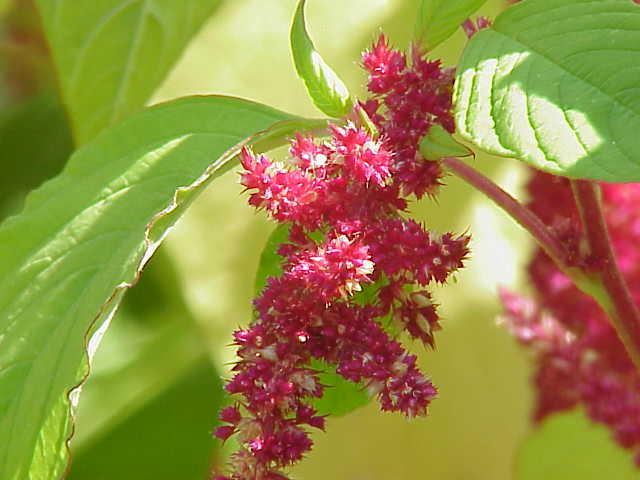 AmaranthAmaranthus
A tall, colourful plant grown for its flowers, leaves and edible seeds
🇲🇽 Mexico and 7 more · Wildflower
AmaranthAmaranthus
A tall, colourful plant grown for its flowers, leaves and edible seeds
🇲🇽 Mexico and 7 more · Wildflower
 Passion fruitPassiflora edulis
A tropical vine grown for its sweet-sour, aromatic fruit
🇧🇷 Brazil and 6 more · Climber
Passion fruitPassiflora edulis
A tropical vine grown for its sweet-sour, aromatic fruit
🇧🇷 Brazil and 6 more · Climber