
Eucomis
Bulbous perennials with pineapple-like flower spikes from southern Africa
Eucomis is a group of bulbous perennial plants native to southern Africa, known as pineapple flowers or pineapple lilies. Their tall stems carry rosettes of star-shaped flowers topped with a tuft of green bracts, giving them a pineapple-like look. They grow wild in grasslands and damp places, and are also grown as ornamentals.
- Native to southern Africa, including South Africa and Botswana
- Flowers resemble a pineapple due to a tuft of green bracts
- Grown as ornamental bulbs in gardens
- Includes both small and large species
- First described in 1789 by Charles L'Héritier
What does Eucomis look like?
Eucomis plants grow from bulbs and form a rosette of leaves at the base. Their flower stalks are stout and upright, topped with a cluster of star-shaped flowers. Above the flowers sits a crown of green, leaf-like bracts, which makes the whole spike resemble a small pineapple. The size varies: some species are short and compact, while others are taller and more robust.
Where does Eucomis come from?
Eucomis is native to southern Africa, found in countries like South Africa, Botswana, Lesotho, Eswatini, Zimbabwe, and Malawi. The genus was first described in 1789 by Charles L'Héritier. The name comes from Greek, meaning 'pleasing hair', a nod to the tuft of bracts on top of the flower spike. Eucomis species grow in grasslands, forests, swamps, and along rivers, but avoid dry areas.
When and how Eucomis blooms
These plants grow from bulbs and are perennials. Most species flower in summer, needing both sun and moisture during this period. They tolerate mild frost when dormant, as long as the bulbs stay dry. Some, like Eucomis regia, grow in winter and bloom in early spring, needing greenhouse care in cooler, wetter climates.


How Eucomis is used
Eucomis species are mainly grown as ornamental plants in gardens for their unusual, pineapple-like flower spikes. They are valued for their striking appearance and are suitable for garden beds or pots. In their native range, they grow wild in various habitats, but there is no mention of traditional or ceremonial uses.
Kinds of Eucomis
The genus includes 13 accepted species, which fall into two groups: smaller, mostly diploid species such as E. regia and E. bicolor, and larger, mostly tetraploid species like E. comosa and E. autumnalis. The smaller types are often found in higher, more exposed places, while the larger ones prefer damp, sheltered spots.
What Eucomis means
Eucomis is known for its decorative value and is grown in gardens for its unique pineapple-like flower spikes. The name reflects its appearance, with 'pleasing hair' referring to the tuft of bracts. There is no mention of symbolic or religious meaning or of use as an emblem.
Questions people ask about Eucomis
Where does Eucomis come from?
Eucomis is native to southern Africa, found in countries such as South Africa, Botswana, Lesotho, Eswatini, Zimbabwe, and Malawi. It grows in grasslands, forests, swamps, and along rivers.
What does a Eucomis flower look like?
Eucomis has a tall, stout stem with a cluster of star-shaped flowers topped by a tuft of green bracts, making the flower spike look like a small pineapple. The plant grows from a bulb and forms a rosette of leaves at the base.
How is Eucomis used?
Eucomis is mainly grown as an ornamental plant in gardens and pots for its unusual, pineapple-like flower spikes. There are no traditional or ceremonial uses mentioned in the sources.
Are there different types of Eucomis?
Yes, the genus includes 13 accepted species, divided into smaller, mainly diploid species and larger, mainly tetraploid species. They vary in size and preferred habitat.
Does Eucomis have any special meaning or symbolism?
The sources do not mention any symbolic or religious meaning for Eucomis. It is valued mainly for its decorative appearance in gardens.
Good reading and sources
- Plants of the World OnlineRoyal Botanic Gardens, Kew, Plant database
- Where it has been recordedGBIF, Plant database
- Sightings and photos by naturalistsiNaturalist, Plant database
The facts on this page come from the Wikipedia article "Eucomis", written by its contributors and used under the CC BY-SA 4.0 licence, and from its Wikidata record (CC0). Phool rewrote the text in its own words, with AI assistance, and compares every page with the article to make sure no passage is copied. It may be reused under the same CC BY-SA 4.0 licence with a link back.
It may contain mistakes. It is not medical or foraging advice: many flowers are poisonous, and traditional uses are reported, not recommended. If something is wrong, tell us. Last refreshed 2026-10-03.
Others in the family Asparagaceae
The whole family Lily-of-the-valleyConvallaria majalis
A woodland plant with sweet-scented white bell flowers in late spring
🇫🇮 Finland and 4 more · Wildflower
Lily-of-the-valleyConvallaria majalis
A woodland plant with sweet-scented white bell flowers in late spring
🇫🇮 Finland and 4 more · Wildflower
 HyacinthHyacinthus
A spring-blooming bulb with fragrant, colourful flower spikes
🇹🇷 Turkey and 7 more · Bulb flower
HyacinthHyacinthus
A spring-blooming bulb with fragrant, colourful flower spikes
🇹🇷 Turkey and 7 more · Bulb flower
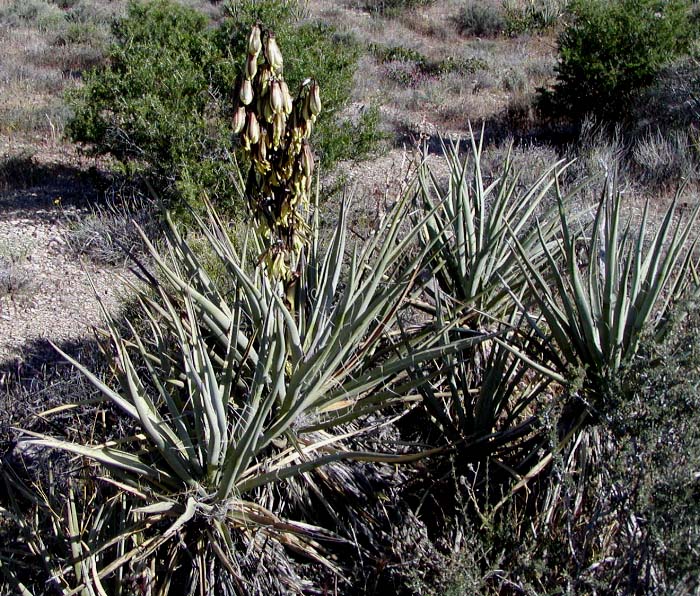 Yucca
Dry-climate plants with pointed leaves and clusters of creamy white flowers
🇲🇽 Mexico and 4 more · Wildflower
Yucca
Dry-climate plants with pointed leaves and clusters of creamy white flowers
🇲🇽 Mexico and 4 more · Wildflower
 Star-of-BethlehemOrnithogalum umbellatum
A white, star-shaped spring flower that opens late in the day
🇫🇷 France and 7 more · Wildflower
Star-of-BethlehemOrnithogalum umbellatum
A white, star-shaped spring flower that opens late in the day
🇫🇷 France and 7 more · Wildflower
More from South Africa
All the flowers of South Africa Eucalyptus
The tall, aromatic trees and shrubs known as gum trees or eucalypts
🇦🇺 Australia and 7 more · Flowering tree
Eucalyptus
The tall, aromatic trees and shrubs known as gum trees or eucalypts
🇦🇺 Australia and 7 more · Flowering tree
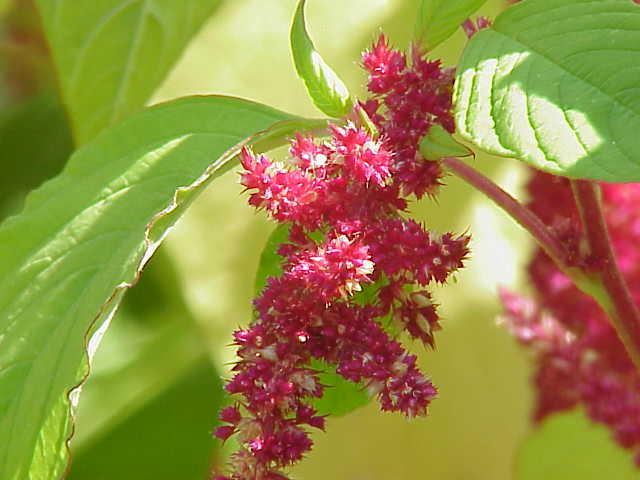 AmaranthAmaranthus
A tall, colourful plant grown for its flowers, leaves and edible seeds
🇲🇽 Mexico and 7 more · Wildflower
AmaranthAmaranthus
A tall, colourful plant grown for its flowers, leaves and edible seeds
🇲🇽 Mexico and 7 more · Wildflower
 Acacia
Shrubs and trees with golden or cream puffball flowers, native mostly to Australia
🇦🇺 Australia and 6 more · Wildflower
Acacia
Shrubs and trees with golden or cream puffball flowers, native mostly to Australia
🇦🇺 Australia and 6 more · Wildflower
 Sensitive PlantMimosa pudica
A touch-sensitive plant whose leaves fold up when disturbed
🇧🇷 Brazil and 8 more · Wildflower
Sensitive PlantMimosa pudica
A touch-sensitive plant whose leaves fold up when disturbed
🇧🇷 Brazil and 8 more · Wildflower