
Fuchsia fulgens
A shrubby fuchsia with bright red flowers from Mexico and Central America
Fuchsia fulgens is a woody shrub native to Mexico and Central America, known for its bright red, pendant flowers and thick, tuberous roots. The plant can grow over 1.5 meters tall and is valued for its ornamental blooms and striking foliage.
- Native to Mexico and Central America
- Grows over 1.5 meters tall with woody stems
- Flowers are bright red and hang in short clusters
- Leaves are heart-shaped with red-tinged undersides
- Fruit is deep purple and oblong
What does Fuchsia fulgens look like?
Fuchsia fulgens is a woody, upright shrub that can reach 1.5 meters or more in height and spread up to 80 centimeters. Its leaves are opposite, heart-shaped or ovate, with a pale or sage green upper surface and a paler or reddish underside. The plant produces short clusters of hanging, single flowers with pink to scarlet tubes, pale red sepals tinged with yellow-green, and a bright red corolla. The fruit is deep purple, oblong to ellipsoid.
Where does Fuchsia fulgens come from?
This species is native to Mexico and Central America, where it grows wild. The genus Fuchsia was named after the German botanist Leonhart Fuchs, and the species name 'fulgens' means 'shining', referring to its vivid red flowers. Its natural range is limited to these regions, and it has become known as an ornamental plant elsewhere.
When and how Fuchsia fulgens blooms
Fuchsia fulgens is considered half-hardy, requiring a minimum temperature of 5°C. It is grown as a garden shrub for its decorative flowers and foliage. The plant develops from thickened, tuberous roots and prefers mild climates. It is typically propagated and maintained in gardens for its ornamental value.

How Fuchsia fulgens is used
People grow Fuchsia fulgens mainly for its attractive flowers and foliage in gardens. Its bright, pendant blooms make it a popular choice for ornamental planting. There is no mention of traditional, medicinal, or culinary uses in the sources.
Kinds of Fuchsia fulgens
No specific varieties or cultivars of Fuchsia fulgens are mentioned in the sources. The description focuses on the typical form of the species, with its characteristic red flowers and tuberous roots.
What Fuchsia fulgens means
The name Fuchsia honors Leonhart Fuchs, a Renaissance botanist, while 'fulgens' highlights the plant's shining red flowers. The sources do not mention any particular symbolism, cultural significance, or use in festivals or emblems for this species.
Where Fuchsia fulgens is used and seen
 Hidcote Manor GardenA famous Arts and Crafts garden of outdoor rooms in Gloucestershire, England
 San Diego Botanic GardenA 37-acre garden in Encinitas with global plant collections and rare bamboos
 Mendocino Coast Botanical GardensA coastal garden in Mendocino County, California with ocean views and diverse plantings
Questions people ask about Fuchsia fulgens
Where does Fuchsia fulgens come from?
Fuchsia fulgens is native to Mexico and Central America, where it grows wild as a woody shrub.
What does Fuchsia fulgens look like?
It is a shrub with upright, woody stems, heart-shaped leaves, and clusters of bright red, hanging flowers. The leaves are pale or sage green above and paler or reddish beneath.
How is Fuchsia fulgens used?
It is mainly grown as an ornamental plant in gardens for its decorative flowers and foliage.
What does the name Fuchsia fulgens mean?
The genus is named for botanist Leonhart Fuchs, and 'fulgens' means 'shining', referring to its vivid red flowers.
Does Fuchsia fulgens have any special cultural or symbolic meaning?
The sources do not mention any particular symbolism or cultural significance for this species.
Good reading and sources
- Fuchsia fulgens (T)Royal Horticultural Society, Article
- Plants of the World OnlineRoyal Botanic Gardens, Kew, Plant database
- Where it has been recordedGBIF, Plant database
- Sightings and photos by naturalistsiNaturalist, Plant database
- Fuchsia fulgens on WikipediaEncyclopedia
- More photos on Wikimedia CommonsPhotos
- Wikidata recordOpen data
The facts on this page come from the Wikipedia article "Fuchsia fulgens", written by its contributors and used under the CC BY-SA 4.0 licence, and from its Wikidata record (CC0). Phool rewrote the text in its own words, with AI assistance, and compares every page with the article to make sure no passage is copied. It may be reused under the same CC BY-SA 4.0 licence with a link back.
It may contain mistakes. It is not medical or foraging advice: many flowers are poisonous, and traditional uses are reported, not recommended. If something is wrong, tell us. Last refreshed 2026-10-03.
Others in the family Onagraceae
The whole family FireweedChamaenerion angustifolium
A tall pink wildflower that quickly covers burned or disturbed ground
🇨🇳 China and 3 more · Wildflower
FireweedChamaenerion angustifolium
A tall pink wildflower that quickly covers burned or disturbed ground
🇨🇳 China and 3 more · Wildflower
 Evening primroseOenothera
A group of night-blooming wildflowers native to the Americas
🇲🇽 Mexico and 3 more · Wildflower
Evening primroseOenothera
A group of night-blooming wildflowers native to the Americas
🇲🇽 Mexico and 3 more · Wildflower
 Hardy fuchsiaFuchsia magellanica
A South American shrub with drooping red and purple flowers
🇦🇷 Argentina and 5 more · Flowering shrub
Hardy fuchsiaFuchsia magellanica
A South American shrub with drooping red and purple flowers
🇦🇷 Argentina and 5 more · Flowering shrub
 Clarkia
Wildflowers and garden annuals with four-petalled blooms, mostly from western North America
Clarkia · Wildflower
Clarkia
Wildflowers and garden annuals with four-petalled blooms, mostly from western North America
Clarkia · Wildflower
More from Mexico
All the flowers of Mexico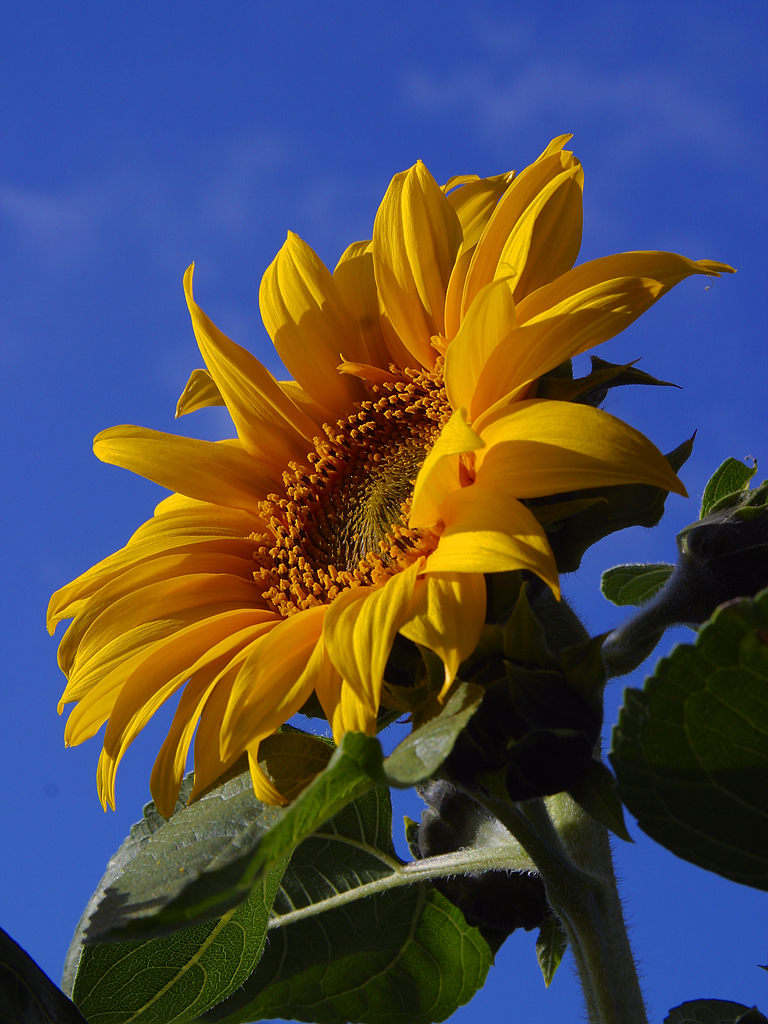 Common sunflowerHelianthus annuus
A tall annual plant grown for its large yellow flower heads and edible seeds
🇨🇦 Canada and 4 more · Wildflower
Common sunflowerHelianthus annuus
A tall annual plant grown for its large yellow flower heads and edible seeds
🇨🇦 Canada and 4 more · Wildflower
 CactusCactaceae
Succulent plants with spines, native to the Americas
🇲🇽 Mexico and 7 more · Wildflower
CactusCactaceae
Succulent plants with spines, native to the Americas
🇲🇽 Mexico and 7 more · Wildflower
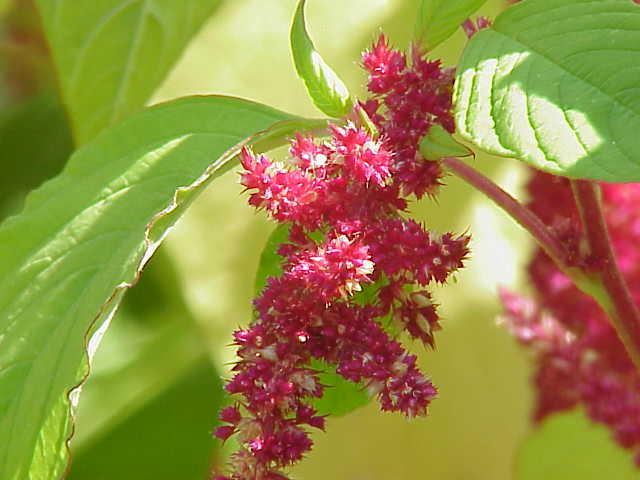 AmaranthAmaranthus
A tall, colourful plant grown for its flowers, leaves and edible seeds
🇲🇽 Mexico and 7 more · Wildflower
AmaranthAmaranthus
A tall, colourful plant grown for its flowers, leaves and edible seeds
🇲🇽 Mexico and 7 more · Wildflower
 HawthornCrataegus
A thorny shrub or tree with white or pink spring flowers and small edible fruits
🇮🇪 Ireland and 7 more · Wildflower
HawthornCrataegus
A thorny shrub or tree with white or pink spring flowers and small edible fruits
🇮🇪 Ireland and 7 more · Wildflower