
Meadow Crane's-bill
Geranium pratense, family Geraniaceae
A hardy wildflower with pale blue, saucer-shaped blooms
Meadow Crane's-bill is a perennial wildflower from Europe and Asia, known for its pale blue, five-petalled flowers and deeply divided leaves. It forms broad clumps in meadows and gardens, is very cold-tolerant, and attracts bees with its nectar-rich blooms.
- Native to Europe and Asia, including parts of China
- Flowers are pale blue with five petals and veined patterns
- Very cold-hardy, tolerating temperatures below −20 °C
- Attracts bees with nectar high in sugar
- Garden forms include double-flowered varieties
What does Meadow Crane's-bill look like?
Meadow Crane's-bill grows as a clump-forming perennial, reaching up to a meter across. Its stems are covered with fine hairs, and its leaves are deeply cut into seven to nine pointed sections. The flowers are saucer-shaped, usually pale blue with five petals that may show veins, and become lighter towards the center. The plant's stamens have colored stalks and dark tips, adding detail to the flower's center.
Where does Meadow Crane's-bill come from?
This species is native to a wide area across Europe and Asia, with its natural range including regions such as Xinjiang and Tibet in China. It is especially adapted to cold climates, surviving temperatures well below freezing. The plant likely spread from mountain regions, such as the Altai, into meadows and open areas across its range. Over time, it has become a familiar sight in both wild and cultivated settings.
When and how Meadow Crane's-bill blooms
Meadow Crane's-bill blooms in summer, producing its characteristic blue flowers on upright, hairy stems. It thrives in open meadows and garden borders, preferring well-drained soil and full sun to partial shade. The plant can be grown from seed or by dividing mature clumps, making it a popular choice for naturalistic plantings and cottage gardens.


How Meadow Crane's-bill is used
Gardeners grow this geranium for its attractive flowers and its ability to withstand harsh winters. It is valued as a nectar source for bees, thanks to its high sugar content in the nectar. The plant is also used in informal borders and wildflower meadows, where it adds color and supports pollinators.
Kinds of Meadow Crane's-bill
Several forms of Meadow Crane's-bill are grown in gardens. Notable cultivars include 'Mrs Kendall Clark', which is recognized for its ornamental qualities, and 'Plenum Violaceum', a double-flowered variety. These selections offer different flower forms and shades, expanding the plant's use in garden design.
What Meadow Crane's-bill means
Meadow Crane's-bill is appreciated for its resilience and its role in supporting bees. In gardens, it is chosen for both its beauty and its hardiness. While not tied to specific festivals or symbolism in the sources, it is a reliable perennial in temperate climates and is recognized by horticultural societies for its garden value.
Where Meadow Crane's-bill is used and seen


Questions people ask about Meadow Crane's-bill
Where does Meadow Crane's-bill come from?
It is native to Europe and Asia, with its range including regions such as Xinjiang and Tibet in China. The plant is adapted to cold climates and open meadows.
What does Meadow Crane's-bill look like?
It forms broad clumps with hairy stems and deeply divided leaves. The flowers are pale blue, saucer-shaped, and have five petals that may show veins and lighter centers.
How is Meadow Crane's-bill used?
It is grown in gardens for its attractive flowers and hardiness, and is valued as a nectar source for bees. It is also used in wildflower meadows and informal borders.
Are there different types of Meadow Crane's-bill?
Yes, several garden cultivars exist, including 'Mrs Kendall Clark' and 'Plenum Violaceum', which offer variations in flower form and color.
What does Meadow Crane's-bill symbolize?
The sources do not mention any specific symbolism for this plant.
Good reading and sources
- Geranium pratense 'Mrs Kendall Clark'Royal Horticultural Society, Article
- USDA Plants DatabaseUS Department of Agriculture, Article
- Plants of the World OnlineRoyal Botanic Gardens, Kew, Plant database
- Where it has been recordedGBIF, Plant database
- Sightings and photos by naturalistsiNaturalist, Plant database
- Geranium pratense on WikipediaEncyclopedia
- More photos on Wikimedia CommonsPhotos
- Wikidata recordOpen data
The facts on this page come from the Wikipedia article "Geranium pratense", written by its contributors and used under the CC BY-SA 4.0 licence, and from its Wikidata record (CC0). EveryPhool rewrote the text in its own words, with AI assistance, and compares every page with the article to make sure no passage is copied. It may be reused under the same CC BY-SA 4.0 licence with a link back.
It may contain mistakes. It is not medical or foraging advice: many flowers are poisonous, and traditional uses are reported, not recommended. If something is wrong, tell us. Last refreshed 2026-10-03.
Others in the family Geraniaceae
The whole family Geranium
A group of wild and garden flowers with five-petaled blooms and lobed leaves
Geranium · Wildflower
Geranium
A group of wild and garden flowers with five-petaled blooms and lobed leaves
Geranium · Wildflower
 Pelargonium
A diverse group of flowering plants often grown as garden and house plants
🇿🇦 South Africa and 7 more · Garden flower
Pelargonium
A diverse group of flowering plants often grown as garden and house plants
🇿🇦 South Africa and 7 more · Garden flower
 Bloody crane's-billGeranium sanguineum
A hardy crimson-flowered perennial of grasslands and gardens
🇨🇭 Switzerland · Wildflower
Bloody crane's-billGeranium sanguineum
A hardy crimson-flowered perennial of grasslands and gardens
🇨🇭 Switzerland · Wildflower
 Herb-RobertGeranium robertianum
A pink-flowered wild geranium found in woods and gardens across the north
Geranium robertianum · Wildflower
Herb-RobertGeranium robertianum
A pink-flowered wild geranium found in woods and gardens across the north
Geranium robertianum · Wildflower
More from China
All the flowers of China RoseRosa
Prickly flowering shrubs grown across the world for fragrant blossoms and rose hips
🇨🇳 China and 7 more · Flowering shrub
RoseRosa
Prickly flowering shrubs grown across the world for fragrant blossoms and rose hips
🇨🇳 China and 7 more · Flowering shrub
 PeachPrunus persica
A flowering fruit tree from China, grown for its pink blossoms and sweet fruit
🇨🇳 China and 7 more · Flowering tree
PeachPrunus persica
A flowering fruit tree from China, grown for its pink blossoms and sweet fruit
🇨🇳 China and 7 more · Flowering tree
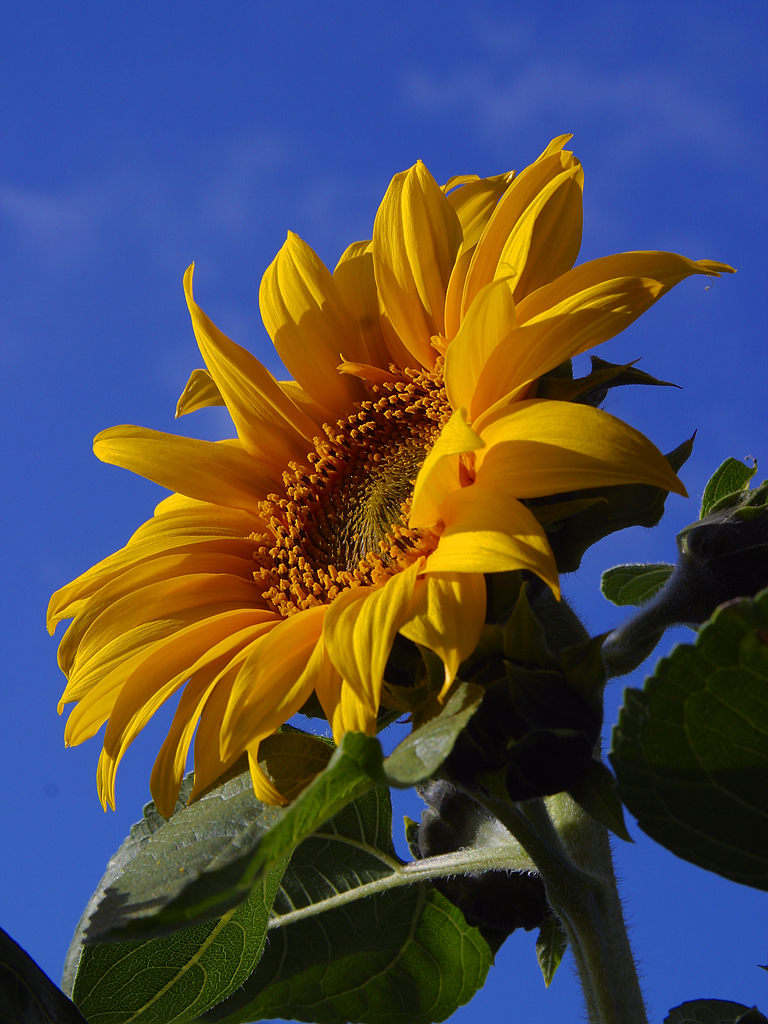 Common sunflowerHelianthus annuus
A tall annual plant grown for its large yellow flower heads and edible seeds
🇨🇦 Canada and 4 more · Wildflower
Common sunflowerHelianthus annuus
A tall annual plant grown for its large yellow flower heads and edible seeds
🇨🇦 Canada and 4 more · Wildflower
 PomegranatePunica granatum
A shrub with bright red flowers and a fruit full of edible seeds
🇮🇷 Iran and 9 more · Flowering shrub
PomegranatePunica granatum
A shrub with bright red flowers and a fruit full of edible seeds
🇮🇷 Iran and 9 more · Flowering shrub