
Guizotia abyssinica
An annual herb grown for its oil-rich seeds and yellow flower heads
Guizotia abyssinica is a tall, branched annual plant native to the highlands of Ethiopia and Eritrea, now also grown in India and other regions. Its yellow flower heads produce small black seeds, valued for edible oil, bird feed, and culinary uses in several countries.
- Native to the Ethiopian and Eritrean Highlands
- Seeds are widely used as bird feed around the world
- Oil from the seeds is used in cooking and industry
- Known in India for use in chutneys and curries
- Relies on bees for pollination
What does Guizotia abyssinica look like?
Guizotia abyssinica is a robust, upright annual herb with branching stems. It grows to a moderate height and produces yellow flower heads. The seeds are small, black, and similar in shape to sunflower seeds, though smaller. These seeds are enclosed in a thick, close-fitting coat and are known for their oil content. The plant is often grown for its seeds, which are used for oil extraction and as bird feed.
Where does Guizotia abyssinica come from?
This plant originated in the highlands of Ethiopia and Eritrea, where it was first cultivated. Over time, its cultivation spread to other parts of Ethiopia and into India and Malawi. The plant is semi-domesticated and shows genetic diversity in different Ethiopian regions. Its seeds have become widely traded, especially as bird feed, and are now grown in several countries outside its native range.
When and how Guizotia abyssinica blooms
Guizotia abyssinica thrives in areas with moderate rainfall and prefers moist, well-drained soils. It can grow in both full sun and partial shade. The plant is usually grown from seed, and yields depend on soil and climate conditions. In the United States, special varieties have been developed to mature quickly and suit local farming cycles. The plant relies on bees for pollination, as it cannot self-pollinate.


How Guizotia abyssinica is used
The seeds are pressed for oil, which is used in cooking and as an ingredient in soaps and paints. In India, the seeds are ground into chutneys and used as a spice in curries. In Ethiopia, roasted seeds are mixed with sugar and water for a traditional drink, and the seed paste is used in treating leather. The leftover seed cake is fed to livestock. The seeds are also a popular bird feed, especially for finches.
Kinds of Guizotia abyssinica
Two notable varieties, 'EarlyBird' and 'Earlybird 50', have been bred in the United States for faster maturity and higher yields. These varieties are shorter and more resistant to lodging. In Ethiopia, there is regional genetic diversity among cultivated populations, reflecting adaptation to different local conditions.
What Guizotia abyssinica means
Guizotia abyssinica is important in Ethiopian agriculture and cuisine, and its seeds are a staple in bird feeding worldwide. The name 'Nyjer' was trademarked to avoid confusion and negative associations. The plant is not considered a noxious weed in the United States and is grown commercially. Its oil is sometimes used as a substitute for olive oil.
Questions people ask about Guizotia abyssinica
Where does Guizotia abyssinica come from?
Guizotia abyssinica is originally from the highlands of Ethiopia and Eritrea. It has since been introduced and cultivated in India, Malawi, and other regions.
What is Guizotia abyssinica used for?
The plant is mainly grown for its seeds, which are pressed for edible oil, used in cooking, and processed into bird feed. The seeds are also used in traditional foods and for livestock feed.
What do the flowers and seeds look like?
The plant has yellow flower heads and produces small, black seeds that resemble sunflower seeds but are smaller. The seeds have a thick outer coat.
Is the oil from Guizotia abyssinica edible?
Yes, the oil extracted from the seeds is edible and used in cooking. It is also used in soap making and other industrial applications.
Does Guizotia abyssinica have any cultural significance?
The plant is important in Ethiopian agriculture and cuisine, and its seeds are widely used as bird feed. In India, the seeds are used in regional dishes.
Good reading and sources
- USDA Plants DatabaseUS Department of Agriculture, Article
- Plants of the World OnlineRoyal Botanic Gardens, Kew, Plant database
- Where it has been recordedGBIF, Plant database
- Sightings and photos by naturalistsiNaturalist, Plant database
- Guizotia abyssinica on WikipediaEncyclopedia
- More photos on Wikimedia CommonsPhotos
- Wikidata recordOpen data
The facts on this page come from the Wikipedia article "Guizotia abyssinica", written by its contributors and used under the CC BY-SA 4.0 licence, and from its Wikidata record (CC0). Phool rewrote the text in its own words, with AI assistance, and compares every page with the article to make sure no passage is copied. It may be reused under the same CC BY-SA 4.0 licence with a link back.
It may contain mistakes. It is not medical or foraging advice: many flowers are poisonous, and traditional uses are reported, not recommended. If something is wrong, tell us. Last refreshed 2026-10-03.
Others in the family Asteraceae
The whole family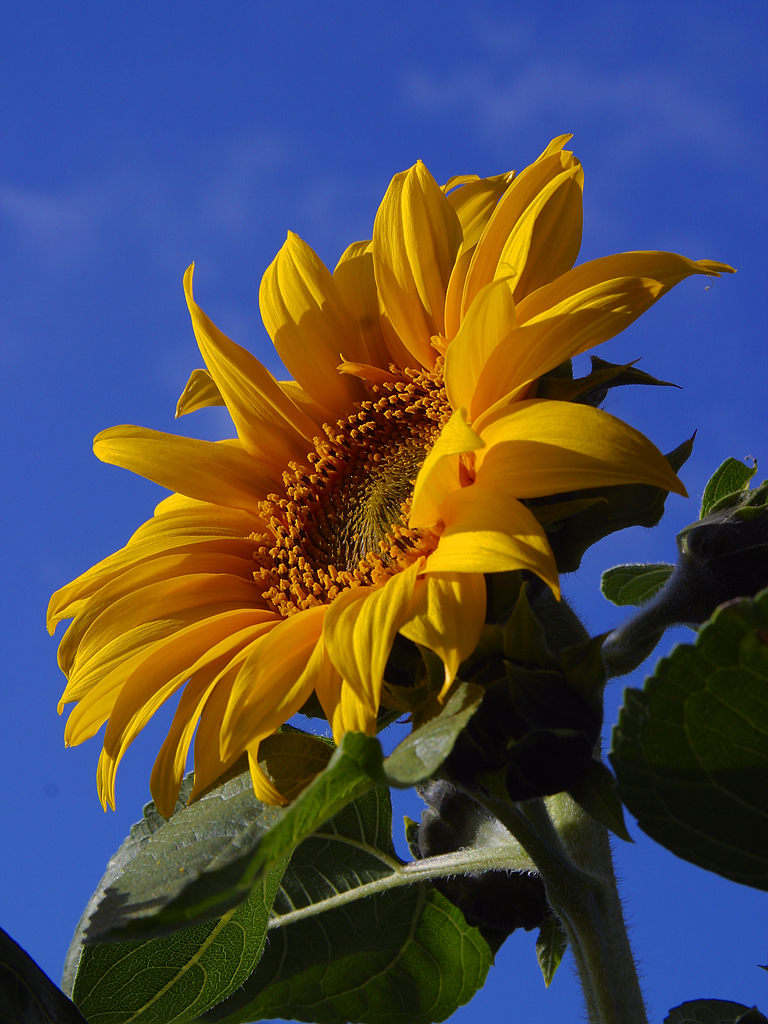 Common sunflowerHelianthus annuus
A tall annual plant grown for its large yellow flower heads and edible seeds
🇨🇦 Canada and 4 more · Wildflower
Common sunflowerHelianthus annuus
A tall annual plant grown for its large yellow flower heads and edible seeds
🇨🇦 Canada and 4 more · Wildflower
 Chrysanthemum菊花
Autumn-blooming flower with thousands of varieties, cherished in East Asia and beyond
🇨🇳 China and 6 more · Wildflower
Chrysanthemum菊花
Autumn-blooming flower with thousands of varieties, cherished in East Asia and beyond
🇨🇳 China and 6 more · Wildflower
 Asteraceae
The vast family of daisies, asters, and sunflowers with star-like flower heads
Asteraceae · Wildflower
Asteraceae
The vast family of daisies, asters, and sunflowers with star-like flower heads
Asteraceae · Wildflower
 DandelionTaraxacum
A yellow-flowered perennial found in fields, lawns, and gardens worldwide
Taraxacum · Wildflower
DandelionTaraxacum
A yellow-flowered perennial found in fields, lawns, and gardens worldwide
Taraxacum · Wildflower
More from Ethiopia
All the flowers of Ethiopia Thorn-appleDatura stramonium
A poisonous, night-blooming plant with trumpet-shaped white or violet flowers
🇨🇳 China and 7 more · Wildflower
Thorn-appleDatura stramonium
A poisonous, night-blooming plant with trumpet-shaped white or violet flowers
🇨🇳 China and 7 more · Wildflower
 Primula
A large genus of spring-blooming wild and garden flowers from cool and mountain regions
🇨🇳 China and 5 more · Wildflower
Primula
A large genus of spring-blooming wild and garden flowers from cool and mountain regions
🇨🇳 China and 5 more · Wildflower
 Pelargonium
A diverse group of flowering plants often grown as garden and house plants
🇿🇦 South Africa and 7 more · Garden flower
Pelargonium
A diverse group of flowering plants often grown as garden and house plants
🇿🇦 South Africa and 7 more · Garden flower
 Arabian coffeeCoffea arabica
The white-flowered shrub whose beans make most of the world’s coffee
🇪🇹 Ethiopia and 4 more · Wildflower
Arabian coffeeCoffea arabica
The white-flowered shrub whose beans make most of the world’s coffee
🇪🇹 Ethiopia and 4 more · Wildflower