
Baby's breath
Gypsophila paniculata, family Caryophyllaceae
A cloud of tiny white summer flowers used in bouquets and gardens
Baby's breath is a herbaceous perennial that forms airy mounds up to 1.2 metres tall, covered in small white blooms in summer. Native to parts of Europe and Asia, it is widely grown for floral arrangements and gardens, though it has become invasive in some regions of North America.
- Tiny white summer flowers create a cloud-like appearance
- Name may come from its sour-milk scent
- Prefers chalky, well-drained soils in full sun
- Major export flower crop in Peru
- Classed as an invasive noxious weed in parts of the U.S.
What does Baby's breath look like?
This plant grows as a bushy clump up to 1.2 metres high and wide. Its many slender branches carry countless tiny flowers, each with five petals, creating a soft, misty effect. Most are white, but pink forms exist. It gives off a noticeable odour some liken to sour milk.
Where does Baby's breath come from?
Baby's breath comes from the steppes of central and eastern Europe and also occurs in parts of China like Xinjiang and Guangdong. Early specimens reached Linnaeus in Sweden from St. Petersburg, sent by the Swiss-Russian botanist Johann Amman. The name 'gypsophila' means 'chalk-loving', reflecting its preference for lime-rich ground.
When and how Baby's breath blooms
It blooms in summer, producing masses of small flowers on branching stems. It grows best in full sun and well-drained soil that is neutral to alkaline. Gardeners propagate it from seed or cuttings, and several cultivated varieties exist, including one with pale pink double flowers.


How Baby's breath is used
Florists use it extensively as filler around larger blooms, often calling it 'gyp'. It features in corsages and wedding bouquets in the United States. Peru grows it commercially, and it makes up a large share of that country’s flower exports. It is also planted in home gardens for its delicate summer display.
Kinds of Baby's breath
While the wild form has single white flowers, cultivated types include 'Rosenschleier', which bears pale pink double blooms and has received recognition from the Royal Horticultural Society for garden performance.
What Baby's breath means
Despite its popularity in floral design, baby's breath is toxic and can irritate the skin on contact. In North America, it has spread beyond gardens and is now considered invasive near the Great Lakes, in California, and the Pacific Northwest, where it is listed as a noxious weed.
Where Baby's breath is used and seen

Traditions that use it
Where to see Baby's breath
 🇨🇳 Kunming · All yearDounan flower marketChina's largest cut-flower market, where much of the trade happens in the evening.
 🇰🇪 Nairobi · All yearFlower stalls of Nairobi City MarketBucket-filled flower stalls at Nairobi's old central market, in a country that exports roses to the world.
 🇰🇪 Naivasha · All yearRose farms of Lake NaivashaGreenhouses around a Rift Valley lake grow a large share of the roses sold in Europe.
Questions people ask about Baby's breath
Where does baby's breath originally come from?
It is native to central and eastern Europe and also grows wild in parts of China, including Xinjiang and Guangdong.
Why is it called baby's breath?
The name likely comes from its mass of tiny white summer flowers that resemble a soft breath, though some link it to its sour-milk scent.
Is baby's breath safe to handle?
No, it is toxic to humans and can cause skin irritation or contact dermatitis upon handling.
How is baby's breath used in floristry?
It is widely used as a filler flower to add volume and softness around larger blooms in bouquets, corsages, and arrangements.
Is baby's breath invasive anywhere?
Yes, it is considered invasive around the Great Lakes, in California, and the Pacific Northwest, where it is classified as a noxious weed.
Good reading and sources
- Gypsophila 'Rosenschleier' (d)Royal Horticultural Society, Article
- USDA Plants DatabaseUS Department of Agriculture, Article
- Plants of the World OnlineRoyal Botanic Gardens, Kew, Plant database
- Where it has been recordedGBIF, Plant database
- Sightings and photos by naturalistsiNaturalist, Plant database
- Gypsophila paniculata on WikipediaEncyclopedia
- More photos on Wikimedia CommonsPhotos
- Wikidata recordOpen data
The facts on this page come from the Wikipedia article "Gypsophila paniculata", written by its contributors and used under the CC BY-SA 4.0 licence, and from its Wikidata record (CC0). Phool rewrote the text in its own words, with AI assistance, and compares every page with the article to make sure no passage is copied. It may be reused under the same CC BY-SA 4.0 licence with a link back.
It may contain mistakes. It is not medical or foraging advice: many flowers are poisonous, and traditional uses are reported, not recommended. If something is wrong, tell us. Last refreshed 2026-10-03.
Others in the family Caryophyllaceae
The whole family Dianthus
A group of frilled, often pink, flowers grown in gardens and bouquets worldwide
Dianthus · Wildflower
CarnationDianthus caryophyllus
A fragrant flower with ruffled petals, grown worldwide for decoration and meaning
🇨🇳 China and 7 more · Garden flower
Dianthus
A group of frilled, often pink, flowers grown in gardens and bouquets worldwide
Dianthus · Wildflower
CarnationDianthus caryophyllus
A fragrant flower with ruffled petals, grown worldwide for decoration and meaning
🇨🇳 China and 7 more · Garden flower
 Fringed pinkDianthus superbus
A wild pink flower with deeply fringed petals and a sweet scent
🇫🇷 France and 6 more · Wildflower
Fringed pinkDianthus superbus
A wild pink flower with deeply fringed petals and a sweet scent
🇫🇷 France and 6 more · Wildflower
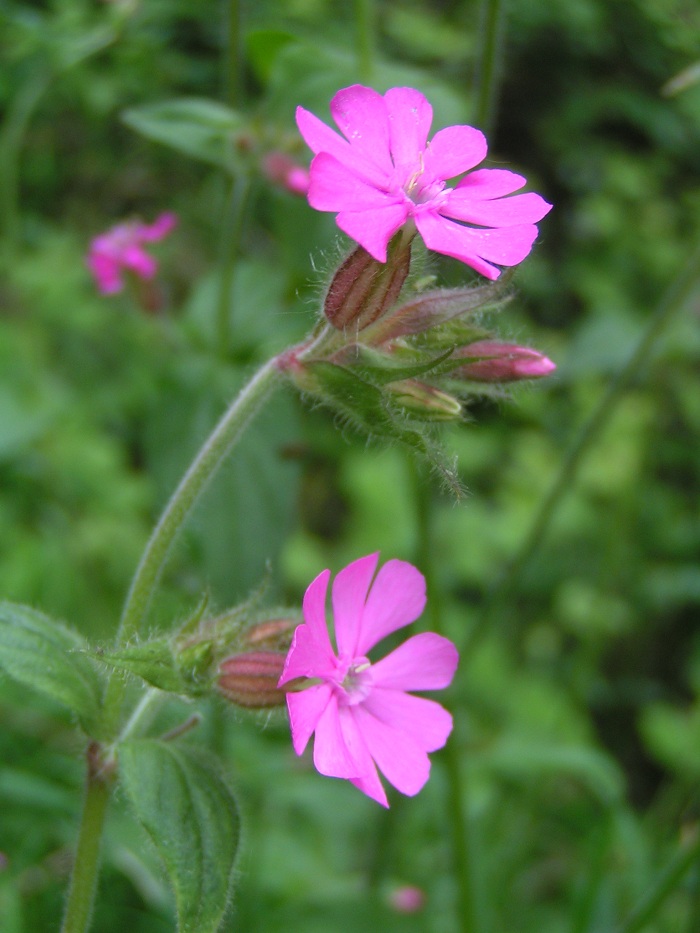 Red campionSilene dioica
A wild pink-red flower of woods and roadsides in northern and central Europe
🇮🇪 Ireland and 4 more · Wildflower
Red campionSilene dioica
A wild pink-red flower of woods and roadsides in northern and central Europe
🇮🇪 Ireland and 4 more · Wildflower
More from China
All the flowers of China PeachPrunus persica
A flowering fruit tree from China, grown for its pink blossoms and sweet fruit
🇨🇳 China and 7 more · Flowering tree
PeachPrunus persica
A flowering fruit tree from China, grown for its pink blossoms and sweet fruit
🇨🇳 China and 7 more · Flowering tree
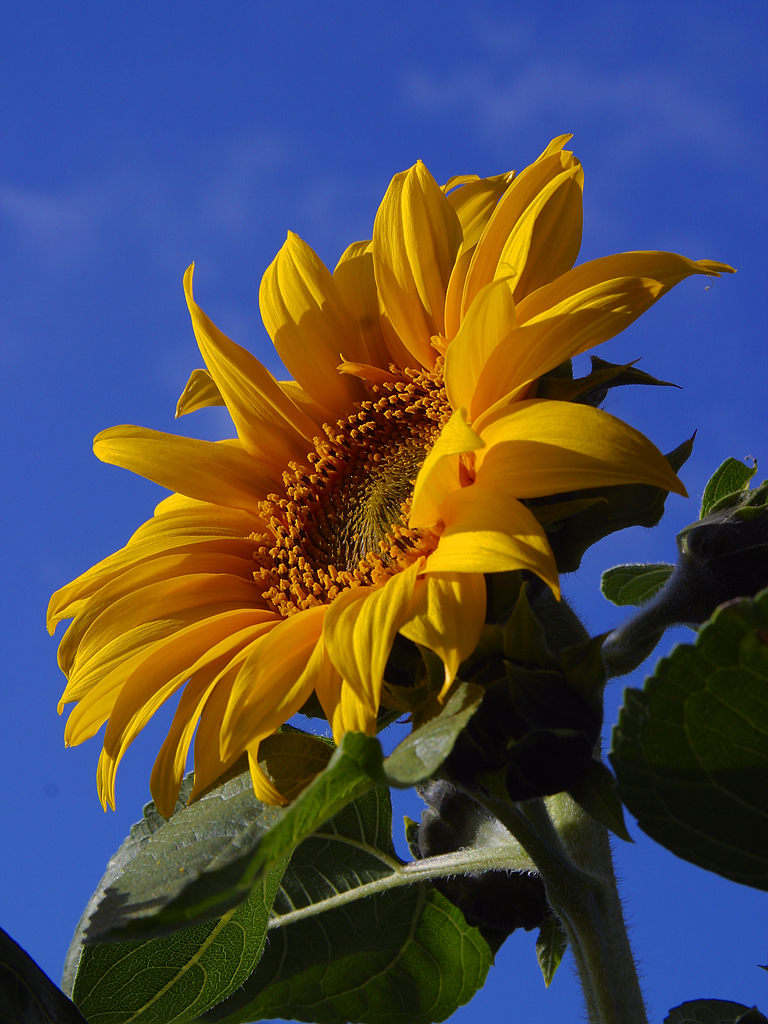 Common sunflowerHelianthus annuus
A tall annual plant grown for its large yellow flower heads and edible seeds
🇨🇦 Canada and 4 more · Wildflower
Common sunflowerHelianthus annuus
A tall annual plant grown for its large yellow flower heads and edible seeds
🇨🇦 Canada and 4 more · Wildflower
 PomegranatePunica granatum
A shrub with bright red flowers and a fruit full of edible seeds
🇮🇷 Iran and 9 more · Flowering shrub
PomegranatePunica granatum
A shrub with bright red flowers and a fruit full of edible seeds
🇮🇷 Iran and 9 more · Flowering shrub
 ApricotPrunus armeniaca
A small fruit tree with early white to pink blossoms and golden-orange fruit
🇨🇳 China and 6 more · Flowering tree
ApricotPrunus armeniaca
A small fruit tree with early white to pink blossoms and golden-orange fruit
🇨🇳 China and 6 more · Flowering tree