
Hepatica
A woodland perennial with three-lobed leaves and early spring flowers
Hepatica is a small perennial plant found in forests and grasslands across Europe, Asia, and eastern North America. Its flowers, which can be blue, pink, purple, or white, open in late winter or early spring, and its three-lobed leaves stay green through the cold months. People have grown it for centuries, especially in Japan, and once used it in traditional remedies.
- Flowers open in late winter or early spring before most plants
- Leaves are evergreen and usually have three lobes
- Native to Europe, Asia, and North America
- Cultivated in Japan since the 18th century
- Once used in folk medicine for liver ailments
What does Hepatica look like?
Hepatica is a low-growing perennial with leaves that are tough, stay green over winter, and usually have three rounded lobes. The flowers are small and can be blue, pink, purple, or white, each with several petal-like parts called sepals. These flowers grow one at a time on short, hairy stalks that rise from the base of the plant. The plant often forms clumps in shady woods or grassy places.
Where does Hepatica come from?
Hepatica grows wild in forests and grasslands from Europe and Russia through Asia to North America. The plant was first described by Philip Miller in the 18th century and has sometimes been grouped with the Anemone genus. Its name comes from the Greek word for liver, as people thought the leaf shape resembled that organ. Over time, it has been introduced to new places and cultivated widely.
When and how Hepatica blooms
Hepatica blooms from late winter into spring, depending on the climate. It thrives in areas with moist soil and winter snow, and can grow in both shade and sun, especially where the soil is rich in limestone. Gardeners can grow it from seed or by dividing mature clumps, but it takes patience, as young plants are slow to flower.


How Hepatica is used
In the past, Hepatica was used in folk medicine, especially for liver problems, because of its leaf shape. It is now mainly grown for its early flowers and evergreen leaves, brightening gardens and natural areas after winter. Some varieties are especially prized in Japan, where cultivation has a long tradition.
Kinds of Hepatica
There are several species and varieties of Hepatica. Some, like Hepatica maxima, are found only on certain islands, while others such as Hepatica nobilis and Hepatica americana are widespread. The leaves can be either smooth-edged or have a scalloped margin, and Japanese growers have developed many forms with different flower shapes and colors.
What Hepatica means
Hepatica’s three-lobed leaf led people to believe it could heal liver ailments, a belief tied to the doctrine of signatures. While it is mildly toxic in large amounts, it was once used as an astringent and for other traditional remedies. In Japan, special forms are cultivated and admired for their beauty, and the plant is valued for its ability to signal the end of winter.
Questions people ask about Hepatica
Where does Hepatica come from?
Hepatica grows naturally in forests and grasslands across central and northern Europe, much of Asia, and eastern North America. It has also been introduced to other regions.
What does Hepatica look like?
It is a small plant with tough, three-lobed leaves that stay green through winter. Its flowers, which can be blue, pink, purple, or white, appear singly on short, hairy stems in early spring.
How is Hepatica used?
Today, Hepatica is mainly grown for its early flowers and evergreen leaves in gardens and natural areas. In the past, it was used in traditional medicine, especially for liver problems.
Is Hepatica poisonous?
Hepatica is mildly toxic if eaten in large amounts, though it was once used in small doses in folk remedies.
What does Hepatica symbolize?
Because its leaves look like a liver, people once believed it could cure liver diseases, and it became linked to healing in traditional beliefs.
Good reading and sources
- Encyclopaedia BritannicaArticle
- USDA Plants DatabaseUS Department of Agriculture, Article
- Plants of the World OnlineRoyal Botanic Gardens, Kew, Plant database
- Where it has been recordedGBIF, Plant database
- Sightings and photos by naturalistsiNaturalist, Plant database
The facts on this page come from the Wikipedia article "Hepatica", written by its contributors and used under the CC BY-SA 4.0 licence, and from its Wikidata record (CC0). Phool rewrote the text in its own words, with AI assistance, and compares every page with the article to make sure no passage is copied. It may be reused under the same CC BY-SA 4.0 licence with a link back.
It may contain mistakes. It is not medical or foraging advice: many flowers are poisonous, and traditional uses are reported, not recommended. If something is wrong, tell us. Last refreshed 2026-10-03.
Others in the family Ranunculaceae
The whole family ButtercupRanunculus
A widespread group of bright, often shiny-petalled wild and garden flowers
Ranunculus · Wildflower
ButtercupRanunculus
A widespread group of bright, often shiny-petalled wild and garden flowers
Ranunculus · Wildflower
 Anemone
Perennial wildflowers with colorful, petal-like sepals known as windflowers
Anemone · Wildflower
Anemone
Perennial wildflowers with colorful, petal-like sepals known as windflowers
Anemone · Wildflower
 MonkshoodAconitum
Tall, hooded wildflowers of mountain meadows, known for beauty and deadly poison
Aconitum · Wildflower
MonkshoodAconitum
Tall, hooded wildflowers of mountain meadows, known for beauty and deadly poison
Aconitum · Wildflower
 Clematis
A climbing vine with showy flowers, prized in gardens worldwide
Clematis · Wildflower
Clematis
A climbing vine with showy flowers, prized in gardens worldwide
Clematis · Wildflower
More from China
All the flowers of China PeachPrunus persica
A flowering fruit tree from China, grown for its pink blossoms and sweet fruit
🇨🇳 China and 7 more · Flowering tree
PeachPrunus persica
A flowering fruit tree from China, grown for its pink blossoms and sweet fruit
🇨🇳 China and 7 more · Flowering tree
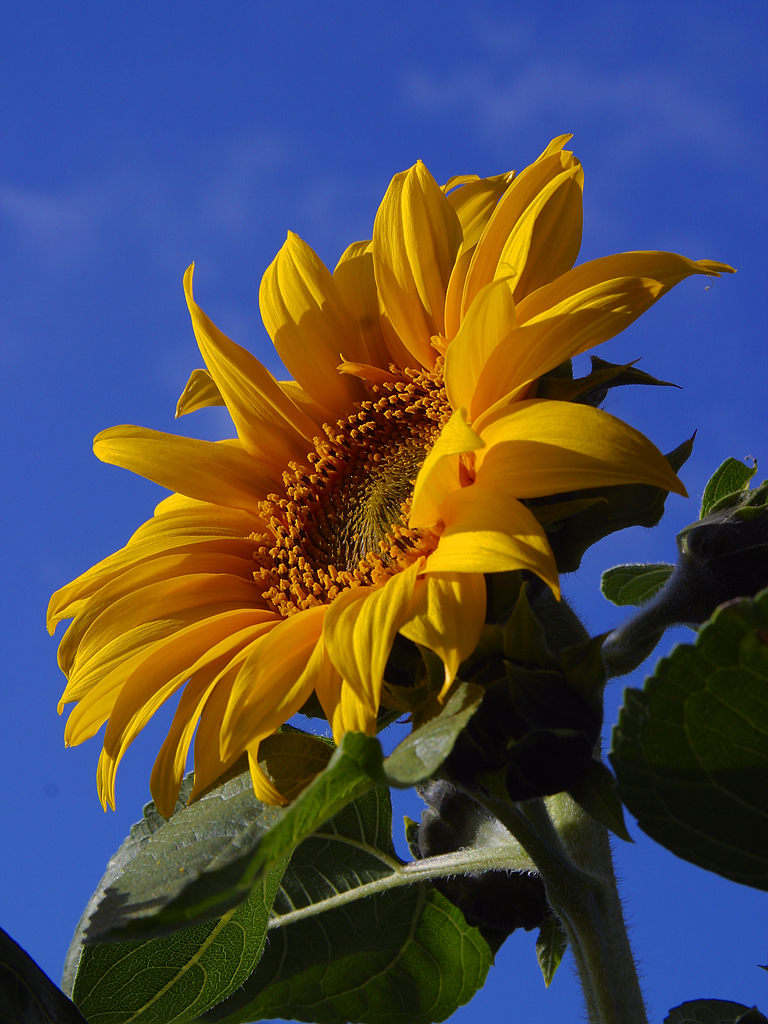 Common sunflowerHelianthus annuus
A tall annual plant grown for its large yellow flower heads and edible seeds
🇨🇦 Canada and 4 more · Wildflower
Common sunflowerHelianthus annuus
A tall annual plant grown for its large yellow flower heads and edible seeds
🇨🇦 Canada and 4 more · Wildflower
 PomegranatePunica granatum
A shrub with bright red flowers and a fruit full of edible seeds
🇮🇷 Iran and 9 more · Flowering shrub
PomegranatePunica granatum
A shrub with bright red flowers and a fruit full of edible seeds
🇮🇷 Iran and 9 more · Flowering shrub
 BirchBetula
Slender trees with papery bark found across the northern world
🇨🇳 China and 7 more · Wildflower
BirchBetula
Slender trees with papery bark found across the northern world
🇨🇳 China and 7 more · Wildflower