
Hesperocallis
A desert plant with white funnel-shaped flowers and deep-set bulbs
Hesperocallis is a genus with a single species, often called the desert lily or ajo lily. It grows in sandy desert areas of southwestern North America, producing white, funnel-shaped flowers on tall stems. Its bulbs are buried deep in the sand and have been eaten by native peoples.
- The plant grows from a bulb buried up to 60 cm deep in sand.
- Flowers are white with a blue-green or silver-gray stripe on the back.
- Found in the deserts of southwestern North America.
- Blooming season is from February to May.
- Bulbs have been eaten by native peoples.
What does Hesperocallis look like?
Hesperocallis, known as the desert lily, grows from an egg-shaped bulb deep in sandy soil. The plant has two or three long, narrow leaves with wavy edges. Its flowers are white and funnel-shaped, each showing a blue-green or silver-gray stripe on the back of the petals. The flowers grow in clusters on stems that can reach up to 30 cm tall. The seed capsules are rigid and about 1.5 cm long.
Where does Hesperocallis come from?
This plant is native to the deserts of southwestern North America, especially in Baja California and Sonora in Mexico, and parts of California, Nevada, and Arizona in the United States. It thrives in sand flats and dunes of the Mojave, Colorado, and Sonoran Deserts. Its bulbs can be found up to 60 cm below the surface, an adaptation to the harsh desert environment.
When and how Hesperocallis blooms
Hesperocallis blooms from February to May, when conditions in the desert are right. The plant emerges from its deep bulb after winter rains. Its flowers are pollinated by sphinx moths. The plant is adapted to sandy soils and survives the dry season underground as a bulb.

How Hesperocallis is used
The bulbs of the desert lily have traditionally been eaten by native peoples in its range. There are no other uses or cultural associations noted in the sources.
Kinds of Hesperocallis
Hesperocallis is a genus with only one species, Hesperocallis undulata. No other species or cultivated varieties are mentioned in the sources.
What Hesperocallis means
The desert lily is not listed as a national or state emblem, nor is it tied to any festival or religious practice in the sources. Its main cultural note is the traditional use of its bulbs as food by native peoples.
Where Hesperocallis is used and seen

Where to see Hesperocallis

Questions people ask about Hesperocallis
Where does Hesperocallis come from?
Hesperocallis is native to the sandy desert regions of southwestern North America, including Baja California and Sonora in Mexico, and parts of California, Nevada, and Arizona in the United States.
What does the desert lily look like?
It has long, narrow, wavy-edged leaves and white funnel-shaped flowers, each with a blue-green or silver-gray stripe on the back. The flowers grow in clusters on stems up to 30 cm tall.
When does Hesperocallis bloom?
The plant blooms from February to May, during the spring season in its desert habitat.
Is the desert lily used for anything?
The bulbs of Hesperocallis have been eaten by native peoples living in its native desert regions.
Does Hesperocallis have any special meaning or symbolism?
The sources do not mention any symbolic or cultural meanings for Hesperocallis beyond its traditional use as food.
Good reading and sources
- USDA Plants DatabaseUS Department of Agriculture, Article
- Plants of the World OnlineRoyal Botanic Gardens, Kew, Plant database
- Where it has been recordedGBIF, Plant database
- Sightings and photos by naturalistsiNaturalist, Plant database
- Hesperocallis on WikipediaEncyclopedia
- More photos on Wikimedia CommonsPhotos
- Wikidata recordOpen data
The facts on this page come from the Wikipedia article "Hesperocallis", written by its contributors and used under the CC BY-SA 4.0 licence, and from its Wikidata record (CC0). Phool rewrote the text in its own words, with AI assistance, and compares every page with the article to make sure no passage is copied. It may be reused under the same CC BY-SA 4.0 licence with a link back.
It may contain mistakes. It is not medical or foraging advice: many flowers are poisonous, and traditional uses are reported, not recommended. If something is wrong, tell us. Last refreshed 2026-10-03.
Others in the family Asparagaceae
The whole family Lily-of-the-valleyConvallaria majalis
A woodland plant with sweet-scented white bell flowers in late spring
🇫🇮 Finland and 4 more · Wildflower
Lily-of-the-valleyConvallaria majalis
A woodland plant with sweet-scented white bell flowers in late spring
🇫🇮 Finland and 4 more · Wildflower
 HyacinthHyacinthus
A spring-blooming bulb with fragrant, colourful flower spikes
🇹🇷 Turkey and 7 more · Bulb flower
HyacinthHyacinthus
A spring-blooming bulb with fragrant, colourful flower spikes
🇹🇷 Turkey and 7 more · Bulb flower
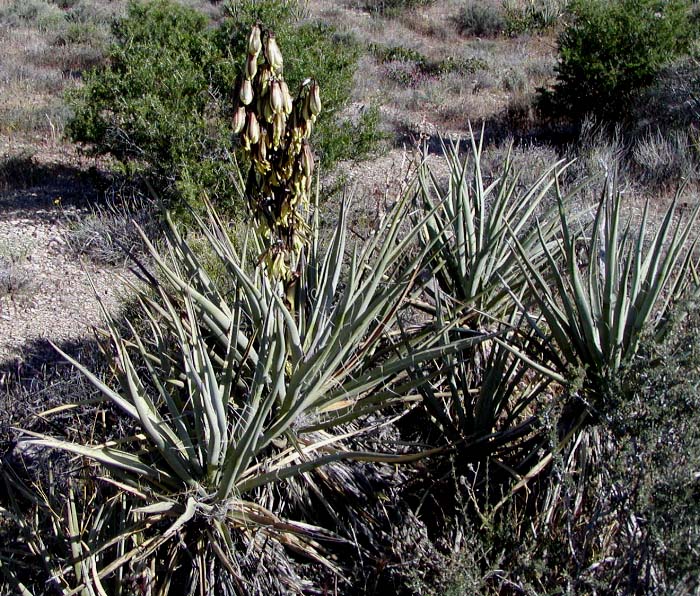 Yucca
Dry-climate plants with pointed leaves and clusters of creamy white flowers
🇲🇽 Mexico and 4 more · Wildflower
Yucca
Dry-climate plants with pointed leaves and clusters of creamy white flowers
🇲🇽 Mexico and 4 more · Wildflower
 Ornithogalum thyrsoides
A white, long-lasting bulb flower from South Africa’s Cape Province
🇿🇦 South Africa · Bulb flower
Ornithogalum thyrsoides
A white, long-lasting bulb flower from South Africa’s Cape Province
🇿🇦 South Africa · Bulb flower
More from Mexico
All the flowers of Mexico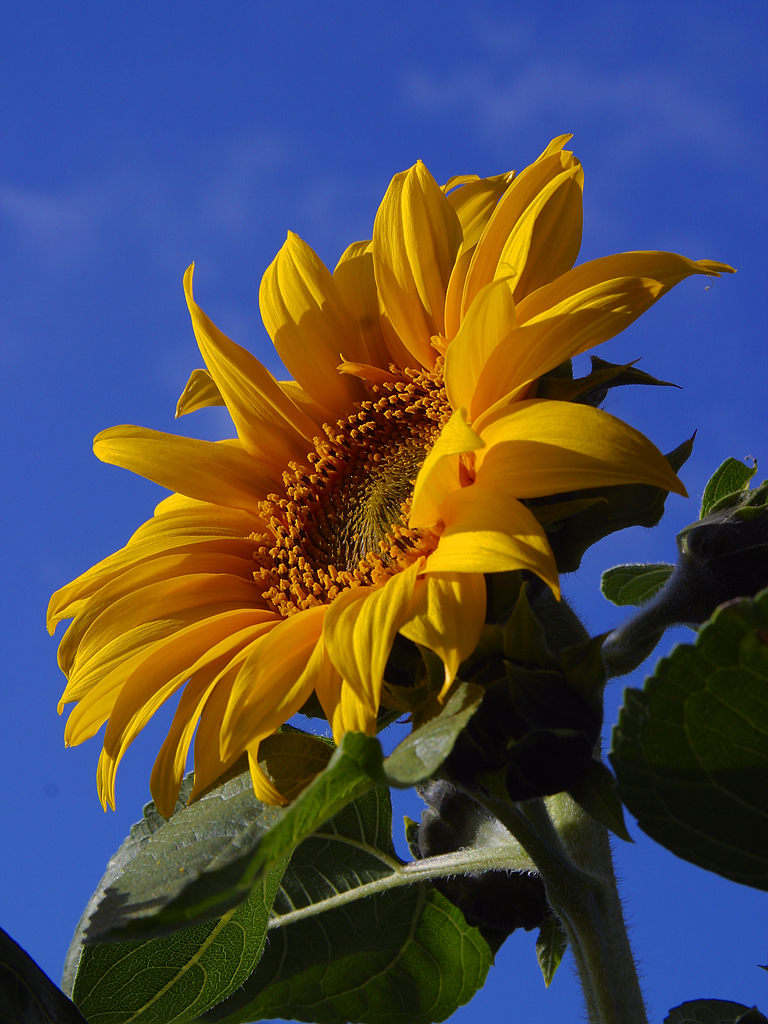 Common sunflowerHelianthus annuus
A tall annual plant grown for its large yellow flower heads and edible seeds
🇨🇦 Canada and 4 more · Wildflower
Common sunflowerHelianthus annuus
A tall annual plant grown for its large yellow flower heads and edible seeds
🇨🇦 Canada and 4 more · Wildflower
 CactusCactaceae
Succulent plants with spines, native to the Americas
🇲🇽 Mexico and 7 more · Wildflower
CactusCactaceae
Succulent plants with spines, native to the Americas
🇲🇽 Mexico and 7 more · Wildflower
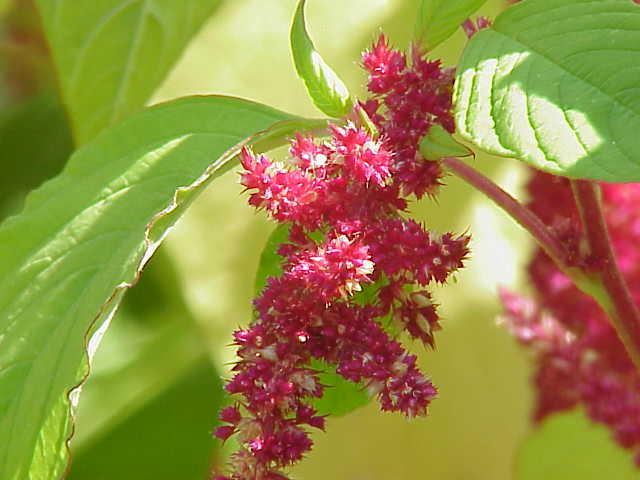 AmaranthAmaranthus
A tall, colourful plant grown for its flowers, leaves and edible seeds
🇲🇽 Mexico and 7 more · Wildflower
AmaranthAmaranthus
A tall, colourful plant grown for its flowers, leaves and edible seeds
🇲🇽 Mexico and 7 more · Wildflower
 HawthornCrataegus
A thorny shrub or tree with white or pink spring flowers and small edible fruits
🇮🇪 Ireland and 7 more · Wildflower
HawthornCrataegus
A thorny shrub or tree with white or pink spring flowers and small edible fruits
🇮🇪 Ireland and 7 more · Wildflower