
Garden hyacinth
Hyacinthus orientalis, family Asparagaceae
A spring bulb with dense, fragrant flower clusters in many colours
Garden hyacinth is a spring-flowering bulb grown for its strong scent and colourful blooms. Native to parts of western Asia, it is now widely planted in gardens and pots worldwide, with hundreds of varieties in shades from blue and purple to pink, red, yellow, and white.
- Native to parts of western Asia, including Turkey and Lebanon
- Grown for its strong, sweet scent and colourful flower spikes
- Over 2,000 cultivars exist in many colours
- Widely used for indoor winter blooms by forcing bulbs
- All parts of the plant are toxic if eaten
What does Garden hyacinth look like?
Garden hyacinth grows from a rounded bulb, usually 3–7 cm across. Its leaves are long, soft, and shaped like straps, forming a cluster at the base. Each plant sends up a single upright stalk, topped with a dense spike of 2 to 50 small, tubular flowers. These blooms are highly scented and come in many colours, including blue, purple, pink, red, yellow, and white. The flower spike can reach up to 35 cm tall, sometimes taller.
Where does Garden hyacinth come from?
This plant is native to a stretch of western Asia, including southern Turkey, Syria, Lebanon, and northern Israel. It has been grown as a garden flower for centuries and was brought to Europe in the 1500s. Over time, it became popular in Mediterranean gardens and spread further, especially in France and the Netherlands, where it is now a major crop and used in perfumes.
When and how Garden hyacinth blooms
Hyacinths bloom early in spring. They grow best in cool climates with a winter rest period and prefer soil that drains well but does not dry out. Gardeners plant the bulbs in autumn. The plant can multiply by forming new bulbs or by seed, though in gardens, bulbs are usually divided. For early indoor flowers, bulbs can be 'forced' by chilling them in darkness, then bringing them into light and warmth.


How Garden hyacinth is used
People grow garden hyacinths for their showy, fragrant flowers in gardens, pots, and as cut flowers. In France, the scent is valued in perfume-making. The bulbs are also popular for forcing indoors to bloom in winter, especially around Christmas. All parts of the plant are toxic if eaten, so care is needed around children and pets.
Kinds of Garden hyacinth
There are over 2,000 named varieties of garden hyacinth, bred for different flower colours and denser spikes. Most modern types have fuller, more crowded flower heads than wild plants. Colours range from deep blue and purple to soft pinks, reds, yellows, and pure white. Some varieties have won awards for their garden performance.
What Garden hyacinth means
The name 'hyacinth' comes from a Greek legend about a youth loved by the god Apollo. Although the ancient flower may not have been the same as today's hyacinth, the story is linked to its name. The plant is a symbol of spring and is widely grown in Europe, especially in the Netherlands, where fields of hyacinths bloom each year. It is also listed among poisonous plants.
Where to see Garden hyacinth
 🇳🇱 Amsterdam · All yearThe floating Bloemenmarkt on the SingelA row of flower stalls built on barges along Amsterdam's Singel canal, selling bulbs, seeds and cut tulips.
 🇳🇱 Lisse · Mar to MayKeukenhof in tulip seasonA woodland park in Lisse planted each autumn with millions of bulbs and open for about eight weeks in spring.
🇳🇱 Lisse · Apr to MayCycling the bulb fields from Lisse to the dunesA flat day's ride on marked cycle paths through flowering bulb fields between Lisse, Hillegom and Noordwijk.
🇳🇱 Lisse · Mar to MayKeukenhof in tulip seasonA woodland park in Lisse planted each autumn with millions of bulbs and open for about eight weeks in spring.
🇳🇱 Lisse · Apr to MayCycling the bulb fields from Lisse to the dunesA flat day's ride on marked cycle paths through flowering bulb fields between Lisse, Hillegom and Noordwijk.Questions people ask about Garden hyacinth
Where does the garden hyacinth come from?
Garden hyacinth originally grows wild in parts of western Asia, including southern Turkey, Syria, Lebanon, and northern Israel. It has been cultivated in Europe since the 16th century.
What does the garden hyacinth look like?
It grows from a bulb and produces a single upright stem with a dense cluster of small, tubular flowers. The blooms are strongly scented and come in blue, purple, pink, red, yellow, or white.
Is the garden hyacinth poisonous?
Yes, all parts of the garden hyacinth are toxic to people and animals if eaten. It is best to keep bulbs and plants out of reach of children and pets.
How is the garden hyacinth used?
It is grown for its colourful, fragrant flowers in gardens and pots, as well as for cut flowers. In France, it is used in perfumes, and bulbs are often forced indoors to bloom in winter.
What does the hyacinth symbolise?
The hyacinth is linked to a Greek myth about a youth named Hyacinthus, but the ancient flower may not have been the same as the modern plant. Today, it is a symbol of spring.
Good reading and sources
- USDA Plants DatabaseUS Department of Agriculture, Article
- Plants of the World OnlineRoyal Botanic Gardens, Kew, Plant database
- Where it has been recordedGBIF, Plant database
- Sightings and photos by naturalistsiNaturalist, Plant database
- Hyacinthus orientalis on WikipediaEncyclopedia
- More photos on Wikimedia CommonsPhotos
- Wikidata recordOpen data
The facts on this page come from the Wikipedia article "Hyacinthus orientalis", written by its contributors and used under the CC BY-SA 4.0 licence, and from its Wikidata record (CC0). Phool rewrote the text in its own words, with AI assistance, and compares every page with the article to make sure no passage is copied. It may be reused under the same CC BY-SA 4.0 licence with a link back.
It may contain mistakes. It is not medical or foraging advice: many flowers are poisonous, and traditional uses are reported, not recommended. If something is wrong, tell us. Last refreshed 2026-10-03.
Others in the family Asparagaceae
The whole family Lily-of-the-valleyConvallaria majalis
A woodland plant with sweet-scented white bell flowers in late spring
🇫🇮 Finland and 4 more · Wildflower
Lily-of-the-valleyConvallaria majalis
A woodland plant with sweet-scented white bell flowers in late spring
🇫🇮 Finland and 4 more · Wildflower
 HyacinthHyacinthus
A spring-blooming bulb with fragrant, colourful flower spikes
🇹🇷 Turkey and 7 more · Bulb flower
HyacinthHyacinthus
A spring-blooming bulb with fragrant, colourful flower spikes
🇹🇷 Turkey and 7 more · Bulb flower
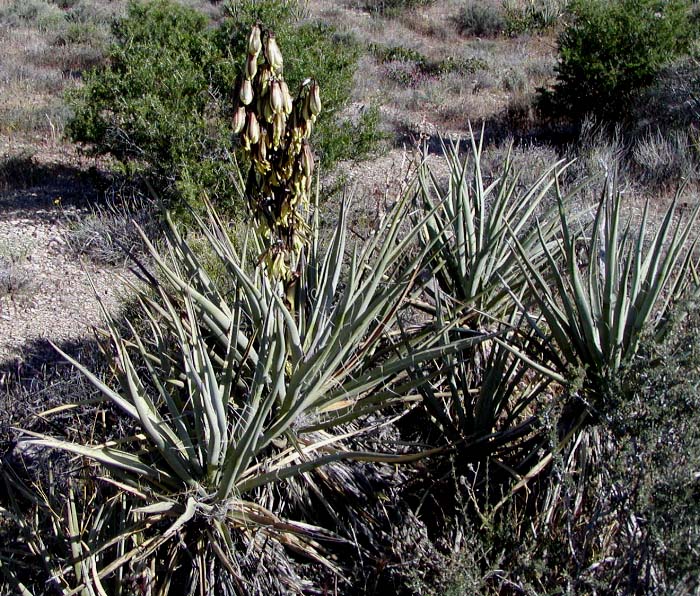 Yucca
Dry-climate plants with pointed leaves and clusters of creamy white flowers
🇲🇽 Mexico and 4 more · Wildflower
Yucca
Dry-climate plants with pointed leaves and clusters of creamy white flowers
🇲🇽 Mexico and 4 more · Wildflower
 Ornithogalum thyrsoides
A white, long-lasting bulb flower from South Africa’s Cape Province
🇿🇦 South Africa · Bulb flower
Ornithogalum thyrsoides
A white, long-lasting bulb flower from South Africa’s Cape Province
🇿🇦 South Africa · Bulb flower
More from Turkey
All the flowers of Turkey PeachPrunus persica
A flowering fruit tree from China, grown for its pink blossoms and sweet fruit
🇨🇳 China and 7 more · Flowering tree
PeachPrunus persica
A flowering fruit tree from China, grown for its pink blossoms and sweet fruit
🇨🇳 China and 7 more · Flowering tree
 PomegranatePunica granatum
A shrub with bright red flowers and a fruit full of edible seeds
🇮🇷 Iran and 9 more · Flowering shrub
PomegranatePunica granatum
A shrub with bright red flowers and a fruit full of edible seeds
🇮🇷 Iran and 9 more · Flowering shrub
 TulipTulipa
Spring-blooming bulbs with showy, cup-shaped flowers in many colours
🇳🇱 Netherlands and 7 more · Wildflower
TulipTulipa
Spring-blooming bulbs with showy, cup-shaped flowers in many colours
🇳🇱 Netherlands and 7 more · Wildflower
 Sour cherryPrunus cerasus
The small, tart cherry tree grown for its sour red fruit
🇹🇷 Turkey and 7 more · Flowering tree
Sour cherryPrunus cerasus
The small, tart cherry tree grown for its sour red fruit
🇹🇷 Turkey and 7 more · Flowering tree