
Mountain hydrangea
Hydrangea serrata, family Hydrangeaceae
A compact shrub with blue or pink lacy flower clusters from Korea and Japan
Mountain hydrangea is a deciduous shrub native to the mountains of Korea and Japan. It grows up to 1.2 meters tall, with dark green, toothed leaves and clusters of blue or pink flowers in summer and autumn. The leaves are used for herbal teas in both countries, and the plant is widely grown as an ornamental shrub.
- Native to mountains of Korea and Japan
- Flowers are blue or pink depending on soil pH
- Leaves are used for herbal teas in both countries
- Compact shrub up to 1.2 meters tall
- Flowers in summer and autumn
What does Mountain hydrangea look like?
Mountain hydrangea is a compact, rounded shrub reaching about 1.2 meters in height and width. Its dark green, oval leaves have serrated edges and can grow up to 15 cm long. The plant produces clusters of small, lacy flowers that are blue in acidic soils and pink in more alkaline ones. Each flowerhead contains both showy sterile florets and smaller fertile ones, blooming in mid to late summer through autumn.
Where does Mountain hydrangea come from?
This hydrangea is native to the mountainous areas of Korea and Japan. While some botanists consider it a subspecies of Hydrangea macrophylla, others treat it as a distinct species. It has been cultivated widely as an ornamental shrub in gardens around the world, valued for its hardiness and attractive flower clusters.
When and how Mountain hydrangea blooms
Mountain hydrangea blooms on old wood, producing flowers in summer and autumn. It prefers rich, moist, well-drained soils and partial shade, but can tolerate sun if kept moist. The color of its flowers depends on soil pH: acidic soils yield blue blooms, while alkaline soils produce pink ones. Propagation is done by seed, softwood or hardwood cuttings, or mound layering.


How Mountain hydrangea is used
The plant is grown as an ornamental shrub in gardens and near homes, often as a specimen or low hedge. In Korea and Japan, its leaves are used to make herbal teas. In Japan, a similar tea called amacha is used in Buddhist celebrations. The shrub is wind tolerant and valued for its long season of bloom.
Kinds of Mountain hydrangea
Many cultivars of mountain hydrangea have been developed for garden use, some of which have received horticultural awards. These cultivars may differ in flower color, size, and form, but all share the plant’s compact habit and hardiness.
What Mountain hydrangea means
In Korea and Japan, mountain hydrangea leaves are used for traditional herbal teas, such as sugukcha and isulcha in Korea, and amacha in Japan. Amacha is especially associated with Buddha’s birthday celebrations. The plant is also appreciated worldwide for its ornamental value in gardens.
Where Mountain hydrangea is used and seen
 Da LatVietnam’s highland city famous for flowers, cool climate, and French villas
 Powell GardensA 970-acre botanical garden near Kansas City, Missouri
 KanzashiTraditional Japanese hair ornaments, often crafted as folded silk flowers
 Cut flowersFresh flowers and buds trimmed for decoration and display
 Flower gardenA garden space planted and arranged for flowering plants and seasonal blooms
 Wojsławice ArboretumA vast botanical garden in southwest Poland with major rhododendron and daylily collections
 Buddha's BirthdayA festival marking the birth of Gautama Buddha, celebrated across Asia in spring
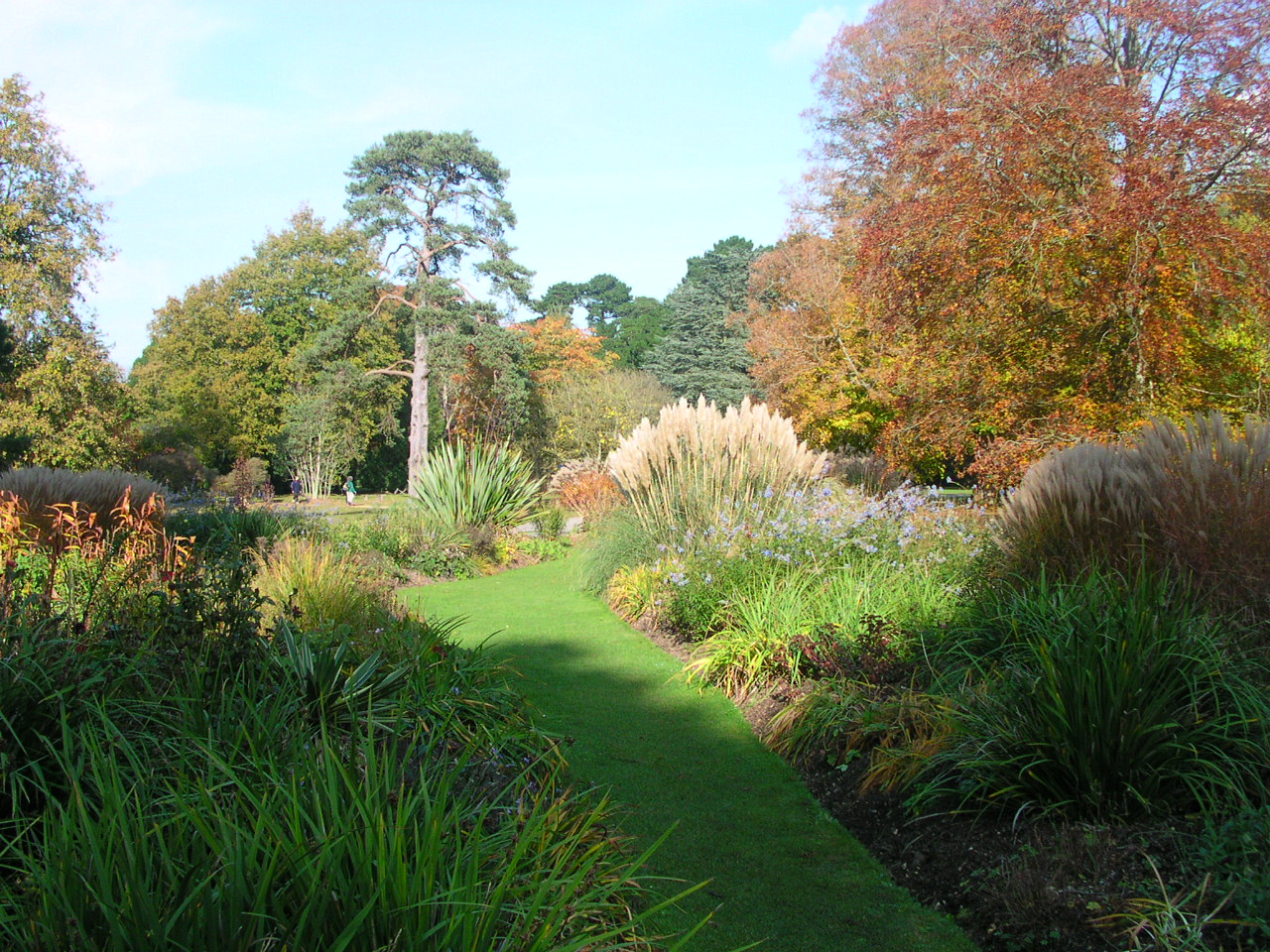 Exbury GardensA woodland garden in Hampshire with famous collections of flowering shrubs
Questions people ask about Mountain hydrangea
Where does mountain hydrangea come from?
Mountain hydrangea is native to the mountainous regions of Korea and Japan, where it grows wild and is also cultivated in gardens.
What does mountain hydrangea look like?
It is a compact, rounded shrub with dark green, serrated leaves and clusters of small blue or pink flowers that bloom in summer and autumn.
What is mountain hydrangea used for?
It is grown as an ornamental shrub in gardens and its leaves are used to make herbal teas in Korea and Japan.
Why do the flowers change color?
The color of mountain hydrangea flowers depends on the soil pH: acidic soils produce blue flowers, while alkaline soils result in pink blooms.
Is mountain hydrangea related to other hydrangeas?
Yes, it is closely related to Hydrangea macrophylla, but is smaller and more compact, with smaller flowers and leaves.
Good reading and sources
- Hydrangea serrata 'Grayswood' (L)Royal Horticultural Society, Article
- Publication : USDA ARSUS Department of Agriculture, Article
- Plants of the World OnlineRoyal Botanic Gardens, Kew, Plant database
- Where it has been recordedGBIF, Plant database
- Sightings and photos by naturalistsiNaturalist, Plant database
- Hydrangea serrata on WikipediaEncyclopedia
- More photos on Wikimedia CommonsPhotos
- Wikidata recordOpen data
The facts on this page come from the Wikipedia article "Hydrangea serrata", written by its contributors and used under the CC BY-SA 4.0 licence, and from its Wikidata record (CC0). Phool rewrote the text in its own words, with AI assistance, and compares every page with the article to make sure no passage is copied. It may be reused under the same CC BY-SA 4.0 licence with a link back.
It may contain mistakes. It is not medical or foraging advice: many flowers are poisonous, and traditional uses are reported, not recommended. If something is wrong, tell us. Last refreshed 2026-10-03.
Others in the family Hydrangeaceae
The whole family Hydrangea
Flowering shrubs with large heads that change color with soil pH
🇯🇵 Japan and 2 more · Flowering shrub
Hydrangea
Flowering shrubs with large heads that change color with soil pH
🇯🇵 Japan and 2 more · Flowering shrub
 Bigleaf HydrangeaHydrangea macrophylla
A Japanese shrub with large pink or blue flower heads that change colour with soil
🇯🇵 Japan and 2 more · Garden flower
Bigleaf HydrangeaHydrangea macrophylla
A Japanese shrub with large pink or blue flower heads that change colour with soil
🇯🇵 Japan and 2 more · Garden flower
 Deutzia
Shrubs with white or pink spring flowers, grown in gardens and parks
🇯🇵 Japan and 4 more · Flowering shrub
Deutzia
Shrubs with white or pink spring flowers, grown in gardens and parks
🇯🇵 Japan and 4 more · Flowering shrub
 Sweet mock orangePhiladelphus coronarius
A fragrant white-flowered shrub from the Caucasus and Turkey, grown in gardens
🇹🇷 Turkey and 7 more · Flowering shrub
Sweet mock orangePhiladelphus coronarius
A fragrant white-flowered shrub from the Caucasus and Turkey, grown in gardens
🇹🇷 Turkey and 7 more · Flowering shrub
More from Japan
All the flowers of Japan PeachPrunus persica
A flowering fruit tree from China, grown for its pink blossoms and sweet fruit
🇨🇳 China and 7 more · Flowering tree
PeachPrunus persica
A flowering fruit tree from China, grown for its pink blossoms and sweet fruit
🇨🇳 China and 7 more · Flowering tree
 BirchBetula
Slender trees with papery bark found across the northern world
🇨🇳 China and 7 more · Wildflower
BirchBetula
Slender trees with papery bark found across the northern world
🇨🇳 China and 7 more · Wildflower
 Chrysanthemum菊花
Autumn-blooming flower with thousands of varieties, cherished in East Asia and beyond
🇨🇳 China and 6 more · Wildflower
Chrysanthemum菊花
Autumn-blooming flower with thousands of varieties, cherished in East Asia and beyond
🇨🇳 China and 6 more · Wildflower
 Sacred lotusNelumbo nucifera
The pink aquatic flower sacred in Asia and grown for food, worship and beauty
🇮🇳 India and 7 more · Water flower
Sacred lotusNelumbo nucifera
The pink aquatic flower sacred in Asia and grown for food, worship and beauty
🇮🇳 India and 7 more · Water flower