
Daffodil orchid
Ipsea speciosa, family Orchidaceae
In its own language: නගා මැරූ අල
A rare bright yellow orchid of the hills in Sri Lanka and southern India
Ipsea speciosa, called the daffodil orchid, is a rare wild orchid from the mid hills of Sri Lanka and southern India. It has large, sweet-scented yellow flowers that appear from September to February, and is known in Sinhala as 'the yam which killed the little sister' after a local folk tale.
- Rare wild orchid of Sri Lanka and southern India
- Large, bright yellow, sweet-scented flowers
- Blooms from September to February
- Known in Sinhala as 'the yam which killed the little sister'
- Used in local love charms and aphrodisiac mixtures
What does Daffodil orchid look like?
Ipsea speciosa is a terrestrial orchid with a pseudobulbous stem, meaning it has a thickened part at the base that stores water. Its leaves are long, narrow, and pointed, resembling grass blades. The plant produces large, bright yellow flowers that have a strong, sweet scent. These flowers stand out against the green grasslands where the plant grows.
Where does Daffodil orchid come from?
This orchid is native to the mid hills of Sri Lanka and southern India, where it grows wild in grasslands and open areas called pathana. It is considered rare in its natural habitat. The Sinhala name, නගා මැරූ අල, comes from a folk story that connects the plant to a tragic legend involving a princess and her brother.
When and how Daffodil orchid blooms
Ipsea speciosa blooms from September to February. It grows in open grasslands and hilly areas, preferring the well-drained soils found there. The plant is a terrestrial herb, growing from a pseudobulb, and is not an epiphyte like many other orchids. Its flowers appear during the cooler months of the year.
How Daffodil orchid is used
Locally, the daffodil orchid has been used in traditional medicine, especially as an ingredient in love charms and aphrodisiac mixtures. Its striking flowers and strong scent make it notable in the wild, but it is not widely cultivated or used for decoration.
What Daffodil orchid means
The plant is tied to a well-known folk tale in Sri Lanka. According to the story, a princess accidentally ate part of the plant's yam, which caused her to behave strangely, leading to a tragic misunderstanding. Because of this, the orchid is known as 'the yam which killed the little sister' in Sinhala. Its use in love charms also gives it a reputation for having powerful effects.
Questions people ask about Daffodil orchid
Where does the daffodil orchid come from?
Ipsea speciosa is native to the hills of Sri Lanka and southern India, where it grows wild in grasslands and open hilly areas.
What does the daffodil orchid look like?
It is a terrestrial orchid with grass-like, pointed leaves and large, bright yellow flowers that have a strong, sweet scent.
When does Ipsea speciosa flower?
Its flowers appear from September to February in its native range.
What is the meaning of its Sinhala name?
The Sinhala name means 'the yam which killed the little sister', referring to a local folk tale about a tragic misunderstanding caused by eating the plant.
How is the daffodil orchid used?
It is used in traditional medicine, especially in making love charms and aphrodisiac mixtures in local practice.
Good reading and sources
- Plants of the World OnlineRoyal Botanic Gardens, Kew, Plant database
- Where it has been recordedGBIF, Plant database
- Sightings and photos by naturalistsiNaturalist, Plant database
- Ipsea speciosa on WikipediaEncyclopedia
- More photos on Wikimedia CommonsPhotos
- Wikidata recordOpen data
The facts on this page come from the Wikipedia article "Ipsea speciosa", written by its contributors and used under the CC BY-SA 4.0 licence, and from its Wikidata record (CC0). Phool rewrote the text in its own words, with AI assistance, and compares every page with the article to make sure no passage is copied. It may be reused under the same CC BY-SA 4.0 licence with a link back.
It may contain mistakes. It is not medical or foraging advice: many flowers are poisonous, and traditional uses are reported, not recommended. If something is wrong, tell us. Last refreshed 2026-10-03.
Others in the family Orchidaceae
The whole family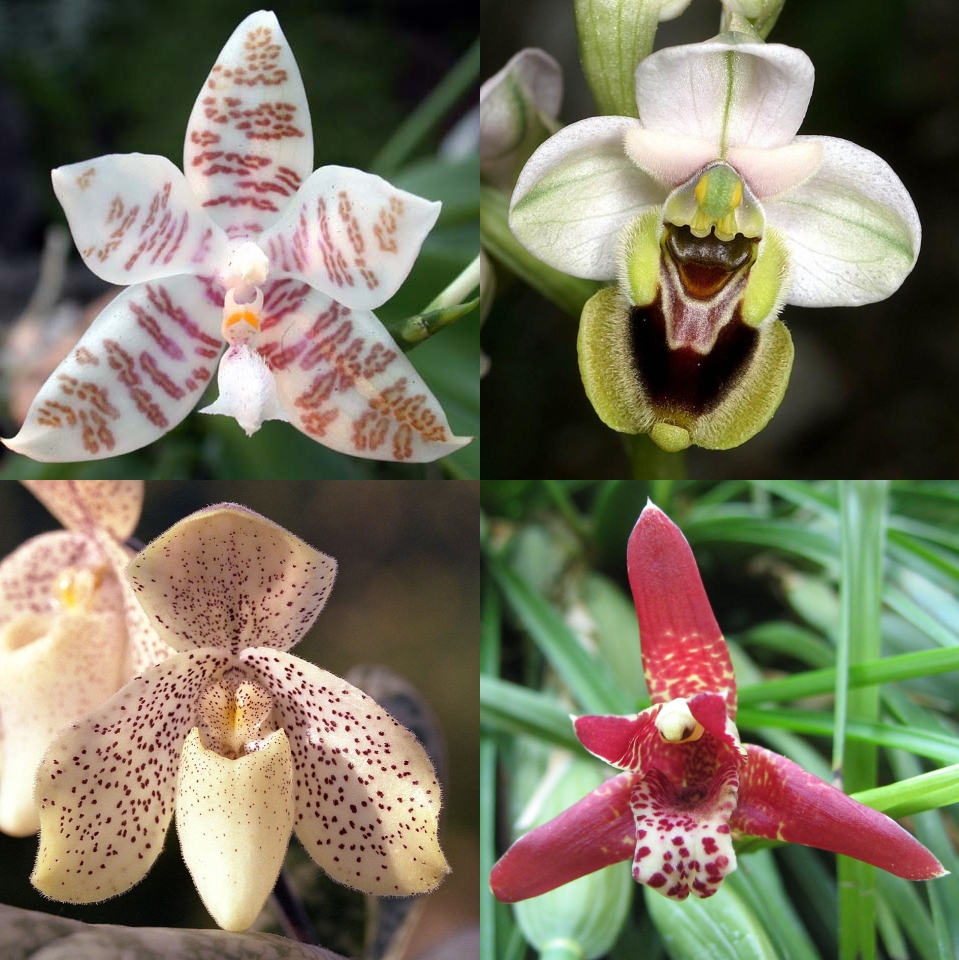 OrchidOrchidaceae
A vast family of colourful, often fragrant flowers found almost everywhere on earth
Orchidaceae · Wildflower
OrchidOrchidaceae
A vast family of colourful, often fragrant flowers found almost everywhere on earth
Orchidaceae · Wildflower
 Vanilla
Climbing orchids with pods used for the world’s most popular flavor
🇲🇽 Mexico and 7 more · Wildflower
Vanilla
Climbing orchids with pods used for the world’s most popular flavor
🇲🇽 Mexico and 7 more · Wildflower
 Orchis
A group of wild orchids with tuberous roots from Europe, North Africa and Asia
🇹🇷 Turkey and 7 more · Wildflower
Orchis
A group of wild orchids with tuberous roots from Europe, North Africa and Asia
🇹🇷 Turkey and 7 more · Wildflower
 Waling-walingVanda sanderiana
A rare orchid known as the 'Queen of Philippine flowers'
🇵🇭 Philippines · Orchid
Waling-walingVanda sanderiana
A rare orchid known as the 'Queen of Philippine flowers'
🇵🇭 Philippines · Orchid
More from Sri Lanka
All the flowers of Sri Lanka WaterlilyNymphaea
Floating aquatic flowers found in ponds and lakes worldwide
🇪🇬 Egypt and 7 more · Water flower
WaterlilyNymphaea
Floating aquatic flowers found in ponds and lakes worldwide
🇪🇬 Egypt and 7 more · Water flower
 Water-lily familyNymphaeaceae
Floating aquatic plants with showy flowers and round leaves
🇧🇩 Bangladesh and 2 more · Wildflower
Water-lily familyNymphaeaceae
Floating aquatic plants with showy flowers and round leaves
🇧🇩 Bangladesh and 2 more · Wildflower
 BaelAegle marmelos
A spiny tree with fragrant yellow-green flowers and hard-shelled aromatic fruit
🇮🇳 India and 6 more · Flowering tree
BaelAegle marmelos
A spiny tree with fragrant yellow-green flowers and hard-shelled aromatic fruit
🇮🇳 India and 6 more · Flowering tree
 LantanaLantana camara
A colourful shrub with clusters of small, changing flowers
🇧🇷 Brazil and 9 more · Flowering shrub
LantanaLantana camara
A colourful shrub with clusters of small, changing flowers
🇧🇷 Brazil and 9 more · Flowering shrub