
Bleeding heart
Lamprocapnos spectabilis, family Papaveraceae
In its own language: 荷包牡丹
A spring flower with pink and white heart-shaped blooms
Bleeding heart is a perennial plant from Northeast Asia, grown for its arching stems of heart-shaped pink and white flowers in spring. It is popular in gardens and carries meanings of love and longing in Chinese tradition, but all parts of the plant are toxic if eaten.
- Flowers look like pink hearts with a white drop below
- Native to Northeast China and the Korean Peninsula
- All parts of the plant are poisonous if eaten
- A symbol of love and longing in Chinese tradition
- Several garden varieties exist, including white and red forms
What does Bleeding heart look like?
Bleeding heart grows up to about 1.2 meters tall, with soft, divided leaves and fleshy green or pink stems. Its flowers hang in rows along arching stems and look like pink hearts with a small white drop at the tip. Some varieties have all-white or red and white flowers, and a golden-leaved form exists. The plant dies back in summer after flowering.
Where does Bleeding heart come from?
This plant is found in the wild in the mountains of Northeast China and the Korean Peninsula, often in shady rock crevices. It has been grown in gardens in East Asia for centuries and was introduced to England in the early 1800s. The name Lamprocapnos means 'shining smoke', and spectabilis means 'remarkable'.
When and how Bleeding heart blooms
Bleeding heart blooms in spring and early summer. It prefers cool, moist places with some shade, especially in warmer climates. The plant grows from rhizomes and can be started from seed or divided roots. Its roots are fragile and should not be disturbed often. Seeds should be sown fresh, and division is best done in autumn or early spring.


How Bleeding heart is used
In China, bleeding heart is a symbol of love and is sometimes given as a romantic gift. The root is used in traditional Chinese medicine for various purposes, but the plant contains toxic alkaloids and can cause poisoning if eaten or handled carelessly. In Korea, it has been cooked as a wild vegetable after special preparation, but this is risky.
Kinds of Bleeding heart
There are several garden forms: the classic pink and white, 'Alba' with pure white flowers, 'Valentine' with red and white blooms, and 'Gold Heart' with yellow leaves. All share the same heart-shaped flower form.
What Bleeding heart means
In Chinese legend, the flower is linked to stories of faithful love and longing, and is called 'purse peony' for its resemblance to a lucky pouch. The plant is a traditional symbol for love, similar to the red rose in Europe. In Japan and Korea, its shape is also seen as lucky and is tied to New Year customs.
Questions people ask about Bleeding heart
Where does bleeding heart come from?
Bleeding heart grows wild in Northeast China and the Korean Peninsula, and has been cultivated in East Asia for centuries. It is now also found in gardens in Japan, Russia, and many other places.
What does the bleeding heart flower mean?
In Chinese culture, the bleeding heart stands for love and longing. It is often given as a romantic token, much like the red rose in Europe.
Is bleeding heart poisonous?
Yes, all parts of the plant contain toxic alkaloids. Eating it or handling it carelessly can cause skin irritation or more serious symptoms if ingested.
What do the flowers look like?
The flowers hang in rows along curved stems and are shaped like pink hearts with a small white tip below. Some varieties have white or red flowers.
How is bleeding heart used in traditional medicine?
In traditional Chinese medicine, the root is used for blood circulation and to treat sores, but the plant is toxic and should not be used without expert knowledge.
Good reading and sources
- Encyclopaedia BritannicaArticle
- Lamprocapnos spectabilis [Valentine] ('Hordival')Royal Horticultural Society, Article
- BBC - Gardening: Plant FinderBBC, Article
- Plants of the World OnlineRoyal Botanic Gardens, Kew, Plant database
- Where it has been recordedGBIF, Plant database
- Sightings and photos by naturalistsiNaturalist, Plant database
The facts on this page come from the Wikipedia article "Lamprocapnos", written by its contributors and used under the CC BY-SA 4.0 licence, and from its Wikidata record (CC0). EveryPhool rewrote the text in its own words, with AI assistance, and compares every page with the article to make sure no passage is copied. It may be reused under the same CC BY-SA 4.0 licence with a link back.
It may contain mistakes. It is not medical or foraging advice: many flowers are poisonous, and traditional uses are reported, not recommended. If something is wrong, tell us. Last refreshed 2026-10-03.
Others in the family Papaveraceae
The whole family Opium poppyPapaver somniferum
A tall annual poppy grown for seeds, opium, and striking garden flowers
🇨🇳 China and 2 more · Wildflower
Opium poppyPapaver somniferum
A tall annual poppy grown for seeds, opium, and striking garden flowers
🇨🇳 China and 2 more · Wildflower
 Common poppyPapaver rhoeas
The vivid red wildflower of fields and remembrance
🇨🇳 China and 7 more · Wildflower
Common poppyPapaver rhoeas
The vivid red wildflower of fields and remembrance
🇨🇳 China and 7 more · Wildflower
 PoppyPapaver
A group of colourful wild and garden flowers with capsule fruits and many seeds
Papaver · Wildflower
PoppyPapaver
A group of colourful wild and garden flowers with capsule fruits and many seeds
Papaver · Wildflower
 Meconopsis grandis
A blue-flowered poppy from the Himalayas grown for its striking blooms
🇧🇹 Bhutan and 3 more · Wildflower
Meconopsis grandis
A blue-flowered poppy from the Himalayas grown for its striking blooms
🇧🇹 Bhutan and 3 more · Wildflower
More from China
All the flowers of China RoseRosa
Prickly flowering shrubs grown across the world for fragrant blossoms and rose hips
🇨🇳 China and 7 more · Flowering shrub
RoseRosa
Prickly flowering shrubs grown across the world for fragrant blossoms and rose hips
🇨🇳 China and 7 more · Flowering shrub
 PeachPrunus persica
A flowering fruit tree from China, grown for its pink blossoms and sweet fruit
🇨🇳 China and 7 more · Flowering tree
PeachPrunus persica
A flowering fruit tree from China, grown for its pink blossoms and sweet fruit
🇨🇳 China and 7 more · Flowering tree
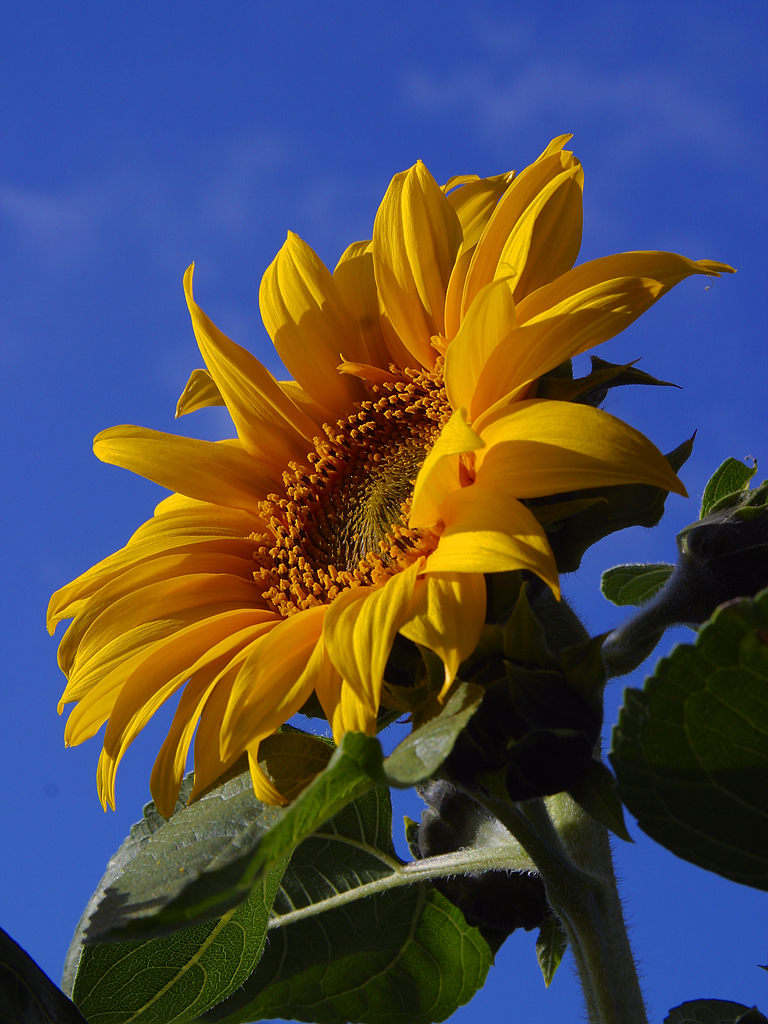 Common sunflowerHelianthus annuus
A tall annual plant grown for its large yellow flower heads and edible seeds
🇨🇦 Canada and 4 more · Wildflower
Common sunflowerHelianthus annuus
A tall annual plant grown for its large yellow flower heads and edible seeds
🇨🇦 Canada and 4 more · Wildflower
 PomegranatePunica granatum
A shrub with bright red flowers and a fruit full of edible seeds
🇮🇷 Iran and 9 more · Flowering shrub
PomegranatePunica granatum
A shrub with bright red flowers and a fruit full of edible seeds
🇮🇷 Iran and 9 more · Flowering shrub