
Shasta daisy
Leucanthemum × superbum, family Asteraceae
A white-petalled garden daisy created by crossing several wild species
The Shasta daisy is a perennial garden flower with white petals and a yellow center, bred as a hybrid by Luther Burbank in the late 19th century. Its large, classic daisy blooms are popular in gardens and as cut flowers, and it is named for Mount Shasta’s snowy peak.
- Created by crossing several daisy species in 1890
- Named after Mount Shasta for its snow-white petals
- Popular as a garden perennial and for cut flowers
- Larger blooms than the wild oxeye daisy
- Several cultivars are widely grown
What does Shasta daisy look like?
Shasta daisies have the familiar look of a daisy, with a circle of white petals surrounding a yellow center. The flowers are larger than those of the wild oxeye daisy. They grow as clumps of upright stems with green leaves, and the blooms stand out in garden beds or as part of a bouquet. The plant is a perennial, returning each year.
Where does Shasta daisy come from?
This flower was developed in the United States by Luther Burbank in 1890. He created it by crossing several daisy species from different parts of the world, including Leucanthemum vulgare, Leucanthemum maximum, Leucanthemum lacustre, and Nipponanthemum nipponicum. The result was a new hybrid, named after Mount Shasta for its snow-like petals. While some related daisies are considered weeds, the Shasta daisy is valued for gardens.
When and how Shasta daisy blooms
Shasta daisies bloom in the summer. They are grown in gardens as perennials, meaning they come back year after year. They prefer sunny spots and are often planted for their showy flowers. The plant can be started from seed or by dividing established clumps, and it is commonly chosen for both borders and as a source of cut flowers.

How Shasta daisy is used
Gardeners grow Shasta daisies for their bright, cheerful flowers and for use in floral arrangements. Their sturdy stems and long-lasting blooms make them a favorite for cutting and displaying indoors. They are also given as gifts and used to brighten up home gardens.
Kinds of Shasta daisy
There are many named forms of Shasta daisy, each with slightly different flower shapes or sizes. Some are especially good for cutting, while others are chosen for compact growth or extra-large blooms. A few cultivars have been recognized for their performance in gardens.
What Shasta daisy means
The Shasta daisy was named for a snowy mountain in California, reflecting the color of its petals. It is a popular choice in ornamental gardening and is not known for religious or symbolic use. Some of its cultivars have been recognized for their quality in horticulture.
Questions people ask about Shasta daisy
Where does the Shasta daisy come from?
The Shasta daisy was bred in the United States by Luther Burbank in 1890, using daisy species from different continents. Its wild relatives are native to places including China.
What does the Shasta daisy look like?
It has white petals arranged around a yellow center, with larger flowers than the common wild daisy. The plant grows in clumps with upright stems and green leaves.
How is the Shasta daisy used?
People grow it in gardens for its attractive flowers and use it as a cut flower in arrangements. It is also given as a gift and used to decorate home gardens.
Is the Shasta daisy a wild or cultivated plant?
It is a cultivated hybrid, created by crossing several wild daisy species. It does not grow naturally in the wild as a species.
Does the Shasta daisy have any special meaning or use in traditions?
The sources do not mention any symbolic or religious meaning for the Shasta daisy. It is mainly valued for its appearance in gardens and floral displays.
Good reading and sources
- Leucanthemum × superbum 'T.E. Killin' (d)Royal Horticultural Society, Article
- USDA Plants DatabaseUS Department of Agriculture, Article
- Plants of the World OnlineRoyal Botanic Gardens, Kew, Plant database
- Where it has been recordedGBIF, Plant database
- Sightings and photos by naturalistsiNaturalist, Plant database
- Leucanthemum × superbum on WikipediaEncyclopedia
- More photos on Wikimedia CommonsPhotos
- Wikidata recordOpen data
The facts on this page come from the Wikipedia article "Leucanthemum × superbum", written by its contributors and used under the CC BY-SA 4.0 licence, and from its Wikidata record (CC0). Phool rewrote the text in its own words, with AI assistance, and compares every page with the article to make sure no passage is copied. It may be reused under the same CC BY-SA 4.0 licence with a link back.
It may contain mistakes. It is not medical or foraging advice: many flowers are poisonous, and traditional uses are reported, not recommended. If something is wrong, tell us. Last refreshed 2026-10-03.
Others in the family Asteraceae
The whole family Chrysanthemum菊花
Autumn-blooming flower with thousands of varieties, cherished in East Asia and beyond
🇨🇳 China and 6 more · Wildflower
Chrysanthemum菊花
Autumn-blooming flower with thousands of varieties, cherished in East Asia and beyond
🇨🇳 China and 6 more · Wildflower
 Asteraceae
The vast family of daisies, asters, and sunflowers with star-like flower heads
Asteraceae · Wildflower
Asteraceae
The vast family of daisies, asters, and sunflowers with star-like flower heads
Asteraceae · Wildflower
 DandelionTaraxacum
A yellow-flowered perennial found in fields, lawns, and gardens worldwide
Taraxacum · Wildflower
DandelionTaraxacum
A yellow-flowered perennial found in fields, lawns, and gardens worldwide
Taraxacum · Wildflower
 Dahlia
A bushy perennial with tuberous roots and bright, star-shaped blooms
🇲🇽 Mexico and 1 more · Garden flower
Dahlia
A bushy perennial with tuberous roots and bright, star-shaped blooms
🇲🇽 Mexico and 1 more · Garden flower
More from China
All the flowers of China PeachPrunus persica
A flowering fruit tree from China, grown for its pink blossoms and sweet fruit
🇨🇳 China and 7 more · Flowering tree
PeachPrunus persica
A flowering fruit tree from China, grown for its pink blossoms and sweet fruit
🇨🇳 China and 7 more · Flowering tree
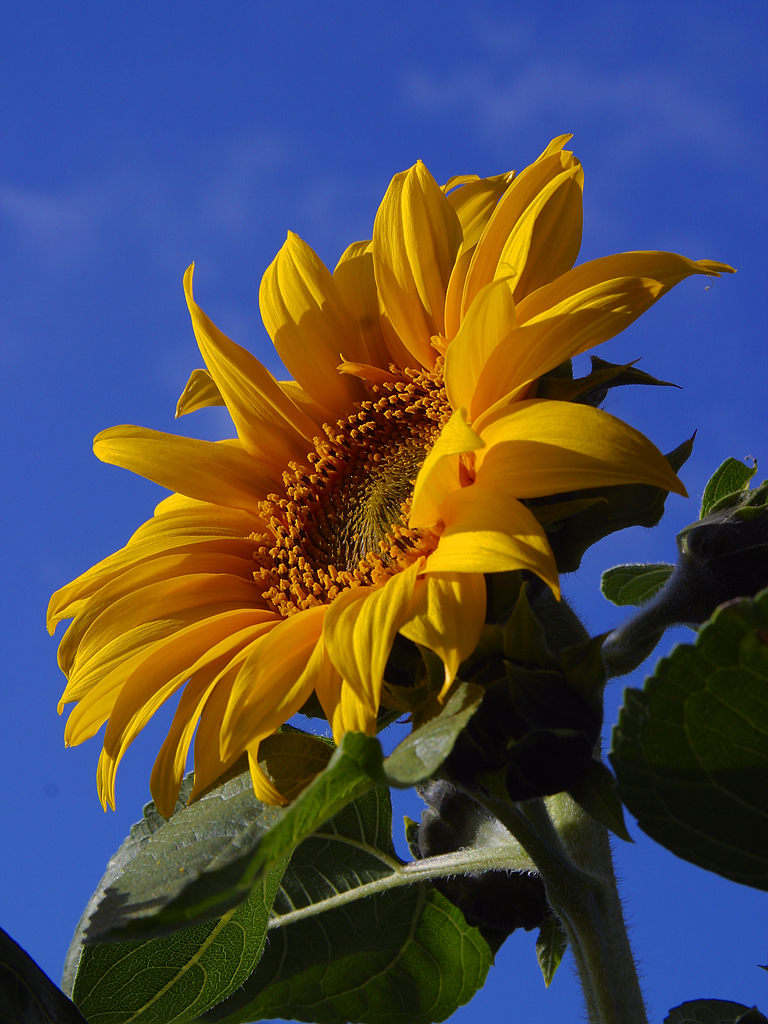 Common sunflowerHelianthus annuus
A tall annual plant grown for its large yellow flower heads and edible seeds
🇨🇦 Canada and 4 more · Wildflower
Common sunflowerHelianthus annuus
A tall annual plant grown for its large yellow flower heads and edible seeds
🇨🇦 Canada and 4 more · Wildflower
 PomegranatePunica granatum
A shrub with bright red flowers and a fruit full of edible seeds
🇮🇷 Iran and 9 more · Flowering shrub
PomegranatePunica granatum
A shrub with bright red flowers and a fruit full of edible seeds
🇮🇷 Iran and 9 more · Flowering shrub
 ApricotPrunus armeniaca
A small fruit tree with early white to pink blossoms and golden-orange fruit
🇨🇳 China and 6 more · Flowering tree
ApricotPrunus armeniaca
A small fruit tree with early white to pink blossoms and golden-orange fruit
🇨🇳 China and 6 more · Flowering tree