
Sundial lupine
Lupinus perennis, family Fabaceae
A blue to violet wildflower of sandy open habitats in eastern North America
Sundial lupine is a perennial plant with clusters of blue, violet, pink, or white flowers, most often seen in sandy, sunny places in eastern North America. It is important for pollinators and is the only food for the endangered Karner blue butterfly’s caterpillars.
- Main food source for the endangered Karner blue butterfly caterpillar
- Flowers range from blue and violet to pink and white
- Grows in sandy, sunny habitats in eastern North America
- Pods burst open to scatter seeds when dry
- Populations have declined by about 90% since 1900
What does Sundial lupine look like?
Sundial lupine is a perennial herb with leaves divided into 7 to 11 narrow leaflets, each leaflet shaped like a blunt spear or oval. The plant grows upright, with hairy stems and small stipules at the base. Its flowers grow in loose clusters at the top of the stem and show a range of colors, most commonly blue or violet, but sometimes pink or white. After flowering, it produces fuzzy, bead-like pods that split open when dry, releasing oval seeds.
Where does Sundial lupine come from?
This lupine grows naturally across the eastern United States, from Texas and Florida north to Maine and into parts of southern Canada, including Ontario and Newfoundland. It is found in open, sandy places that get plenty of sunlight, such as dunes, barrens, and certain savannas. Its numbers have dropped sharply over the last century, mainly due to loss of habitat and changes in land management, especially the reduction of natural fires that help maintain its preferred environment.
When and how Sundial lupine blooms
Sundial lupine blooms in late spring and early summer. It thrives in well-drained, sandy soils and open areas with lots of light. The plant reproduces only by seed. Its pods mature by mid-summer and burst open when dry, scattering seeds nearby. The seeds have a tough coat that keeps them dormant until the right conditions, such as heat or abrasion, allow them to sprout. Seeds can remain viable in the soil for many years.

How Sundial lupine is used
This plant is vital for wildlife, especially as the only host for Karner blue butterfly caterpillars. It also supports other butterflies and bees. Its ability to fix nitrogen helps enrich poor soils. While not widely used in gardens, it is valued in restoration projects and as a symbol of conservation efforts, especially where the Karner blue butterfly is found.
Kinds of Sundial lupine
Sundial lupine is sometimes confused with the large-leaved lupine, which has more and longer leaflets and is often seen along roadsides but is not native to the same region. Sundial lupine itself shows some variation in flower color and leaflet shape, but these differences are less pronounced than between species.
What Sundial lupine means
The decline of sundial lupine has led to concern for the Karner blue butterfly, which depends entirely on it for its early life stages. Conservationists focus on restoring its habitats and managing land with fire or mowing to help both the plant and the butterfly. In some states, the plant is listed as rare, threatened, or endangered, and it is a symbol for local conservation programs.
Questions people ask about Sundial lupine
Where does sundial lupine grow naturally?
It is native to the eastern United States, from Texas and Florida north to Maine, and parts of southern Canada like Ontario and Newfoundland. It prefers sandy, open areas with plenty of sunlight.
What does sundial lupine look like?
It has upright stems with leaves divided into 7 to 11 narrow leaflets. The flowers grow in loose clusters and are usually blue or violet, but can also be pink or white.
Why is sundial lupine important?
It is the only plant that Karner blue butterfly caterpillars can eat, making it crucial for the survival of this endangered butterfly. It also supports other insects and improves soil by fixing nitrogen.
How does sundial lupine reproduce?
It reproduces only by seed. The pods dry out and burst open in mid-summer, scattering seeds nearby. The seeds have a hard coat and can remain dormant in the soil for many years.
What threatens sundial lupine populations?
Habitat loss, fire suppression, and fragmentation have caused major declines. The plant depends on disturbances like fire to maintain its open, sandy habitats.
Good reading and sources
- Encyclopaedia BritannicaArticle
- Lupinus perennisUS Department of Agriculture, Article
- Lupinus perennisRoyal Horticultural Society, Article
- Plants of the World OnlineRoyal Botanic Gardens, Kew, Plant database
- Where it has been recordedGBIF, Plant database
- Sightings and photos by naturalistsiNaturalist, Plant database
- Lupinus perennis on WikipediaEncyclopedia
- More photos on Wikimedia CommonsPhotos
- Wikidata recordOpen data
The facts on this page come from the Wikipedia article "Lupinus perennis", written by its contributors and used under the CC BY-SA 4.0 licence, and from its Wikidata record (CC0). Phool rewrote the text in its own words, with AI assistance, and compares every page with the article to make sure no passage is copied. It may be reused under the same CC BY-SA 4.0 licence with a link back.
It may contain mistakes. It is not medical or foraging advice: many flowers are poisonous, and traditional uses are reported, not recommended. If something is wrong, tell us. Last refreshed 2026-10-03.
Others in the family Fabaceae
The whole family Acacia
Shrubs and trees with golden or cream puffball flowers, native mostly to Australia
🇦🇺 Australia and 6 more · Wildflower
Acacia
Shrubs and trees with golden or cream puffball flowers, native mostly to Australia
🇦🇺 Australia and 6 more · Wildflower
 Sensitive PlantMimosa pudica
A touch-sensitive plant whose leaves fold up when disturbed
🇧🇷 Brazil and 8 more · Wildflower
Sensitive PlantMimosa pudica
A touch-sensitive plant whose leaves fold up when disturbed
🇧🇷 Brazil and 8 more · Wildflower
 Black locustRobinia pseudoacacia
A tall, fragrant-flowered tree native to eastern North America
🇺🇸 United States and 7 more · Flowering tree
Black locustRobinia pseudoacacia
A tall, fragrant-flowered tree native to eastern North America
🇺🇸 United States and 7 more · Flowering tree
 LupinLupinus
Tall, spiky-flowered legumes grown for gardens, food, and soil health
🇺🇸 United States and 7 more · Wildflower
LupinLupinus
Tall, spiky-flowered legumes grown for gardens, food, and soil health
🇺🇸 United States and 7 more · Wildflower
More from Canada
All the flowers of Canada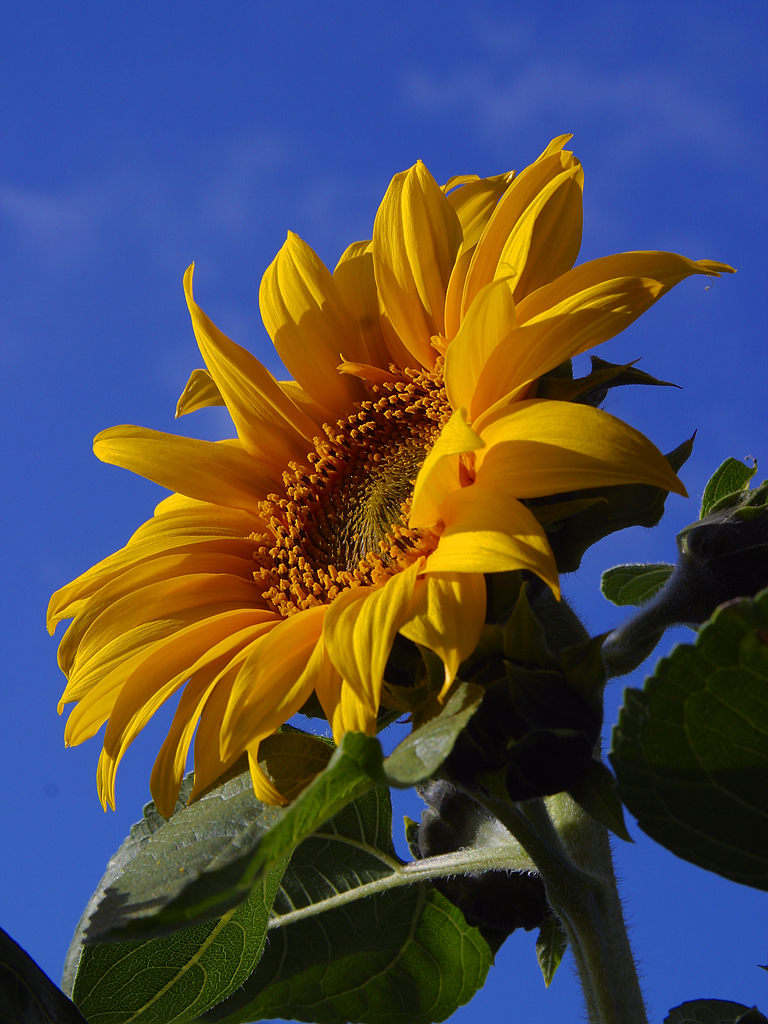 Common sunflowerHelianthus annuus
A tall annual plant grown for its large yellow flower heads and edible seeds
🇨🇦 Canada and 4 more · Wildflower
Common sunflowerHelianthus annuus
A tall annual plant grown for its large yellow flower heads and edible seeds
🇨🇦 Canada and 4 more · Wildflower
 BirchBetula
Slender trees with papery bark found across the northern world
🇨🇳 China and 7 more · Wildflower
BirchBetula
Slender trees with papery bark found across the northern world
🇨🇳 China and 7 more · Wildflower
 CactusCactaceae
Succulent plants with spines, native to the Americas
🇲🇽 Mexico and 7 more · Wildflower
CactusCactaceae
Succulent plants with spines, native to the Americas
🇲🇽 Mexico and 7 more · Wildflower
 TulipTulipa
Spring-blooming bulbs with showy, cup-shaped flowers in many colours
🇳🇱 Netherlands and 7 more · Wildflower
TulipTulipa
Spring-blooming bulbs with showy, cup-shaped flowers in many colours
🇳🇱 Netherlands and 7 more · Wildflower