
Lycaste
A genus of orchids with pleated leaves and fragrant, spotted blooms
Lycaste is a group of about thirty orchid species known for their egg-shaped pseudobulbs and thin, folded leaves. Their flowers are usually yellow, white or orange, often marked with red or purple spots, and some carry a spicy scent like cinnamon.
- Flowers often smell like cinnamon or cloves
- Leaves are thin and deeply pleated
- Pseudobulbs are egg-shaped and sometimes spiny
- Most species are from Mexico and Central America
- Some types drop all leaves during dormancy
What does Lycaste look like?
Lycaste orchids grow from rounded pseudobulbs and produce thin leaves with deep folds. Their flowers have three petals and three sepals, typically in shades of yellow, white or orange, often dotted or blotched with red, purple or brown. The lip may match the petals or stand out in colour. Blooms range from 5 to 10 cm wide, though Lycaste schilleriana reaches 18 cm. Some species emit a strong spice-like fragrance.
Where does Lycaste come from?
The genus Lycaste takes its name from a princess in Greek myth, daughter of King Priam of Troy. It is native to Mexico and Central America. A 2002 revision separated many South American and Caribbean species into a new genus, Ida, leaving true Lycaste mostly in Mesoamerica.
When and how Lycaste blooms
These orchids grow as epiphytes or terrestrials in warm, humid forests. They form clumps with egg-shaped pseudobulbs that store water. Some types drop their leaves each year during dormancy; others keep them. Flowering stems emerge from the base of mature pseudobulbs when conditions are right.


How Lycaste is used
Lycaste orchids are grown by enthusiasts for their showy, often fragrant flowers. They appear in private collections and specialist orchid displays rather than mass markets. Their spicy-scented blooms, especially in species like Lycaste aromatica, are valued for their unusual aroma.
Kinds of Lycaste
The genus is grouped into four sections. Deciduosae lose their leaves yearly and often have spiny pseudobulbs; Longisepalae feature very long sepals; Macrophyllae retain leaves through dormancy; Fimbriatae usually show fringed lips. Some former members now belong to the genus Ida.
What Lycaste means
Named after a figure from the Trojan War, Lycaste has no national emblem status but holds interest among orchid growers. Taxonomists at Kew list 31 accepted species, while collectors often recognise more forms, including white-flowered alba variants.
Questions people ask about Lycaste
Where does Lycaste come from?
Lycaste orchids are native to Mexico and Central America. Some similar species once included in the genus are now placed in Ida, found in South America and the Caribbean.
What do Lycaste flowers look like?
They have three petals and three sepals in yellow, white or orange, often spotted with red or purple. The lip may match or contrast. Blooms are medium-sized, usually 5–10 cm across.
Do Lycaste orchids have a scent?
Yes, several species are fragrant. Lycaste aromatica smells like cinnamon or clove, and Lycaste cochleata, consobrina and cruenta also have pleasant scents.
How are Lycaste orchids grown?
They grow from egg-shaped pseudobulbs with folded leaves. Some shed leaves annually; others keep them. They thrive in warm, humid conditions typical of tropical forests.
Are there different kinds of Lycaste?
The genus is divided into four sections based on leaf retention, sepal length, lip shape and flower colour. One section includes deciduous types with spiny pseudobulbs.
Good reading and sources
- Encyclopaedia BritannicaArticle
- USDA Plants DatabaseUS Department of Agriculture, Article
- Plants of the World OnlineRoyal Botanic Gardens, Kew, Plant database
- Where it has been recordedGBIF, Plant database
- Sightings and photos by naturalistsiNaturalist, Plant database
The facts on this page come from the Wikipedia article "Lycaste", written by its contributors and used under the CC BY-SA 4.0 licence, and from its Wikidata record (CC0). Phool rewrote the text in its own words, with AI assistance, and compares every page with the article to make sure no passage is copied. It may be reused under the same CC BY-SA 4.0 licence with a link back.
It may contain mistakes. It is not medical or foraging advice: many flowers are poisonous, and traditional uses are reported, not recommended. If something is wrong, tell us. Last refreshed 2026-10-03.
Others in the family Orchidaceae
The whole family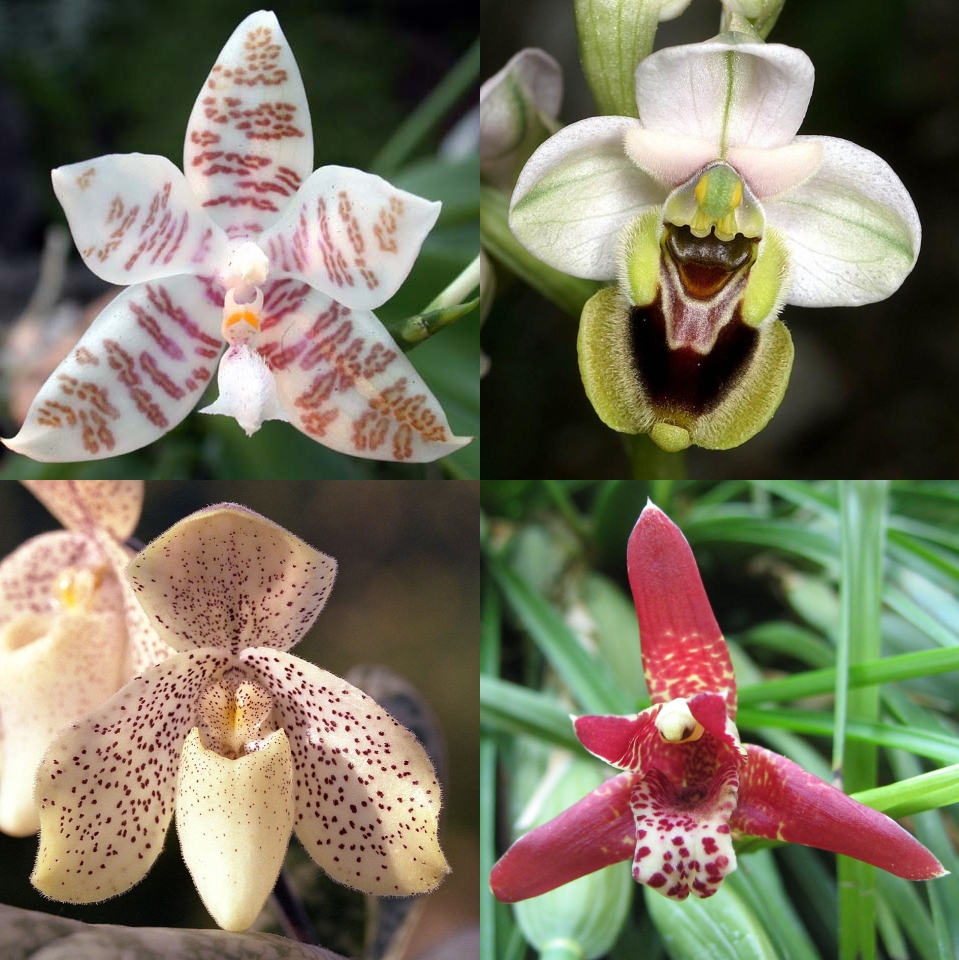 OrchidOrchidaceae
A vast family of colourful, often fragrant flowers found almost everywhere on earth
Orchidaceae · Wildflower
OrchidOrchidaceae
A vast family of colourful, often fragrant flowers found almost everywhere on earth
Orchidaceae · Wildflower
 Vanilla
Climbing orchids with pods used for the world’s most popular flavor
🇲🇽 Mexico and 7 more · Wildflower
Vanilla
Climbing orchids with pods used for the world’s most popular flavor
🇲🇽 Mexico and 7 more · Wildflower
 Orchis
A group of wild orchids with tuberous roots from Europe, North Africa and Asia
🇹🇷 Turkey and 7 more · Wildflower
Orchis
A group of wild orchids with tuberous roots from Europe, North Africa and Asia
🇹🇷 Turkey and 7 more · Wildflower
 Pansy orchidMiltoniopsis
An orchid with flowers that resemble garden pansies
🇨🇷 Costa Rica and 5 more · Orchid
Pansy orchidMiltoniopsis
An orchid with flowers that resemble garden pansies
🇨🇷 Costa Rica and 5 more · Orchid
More from Mexico
All the flowers of Mexico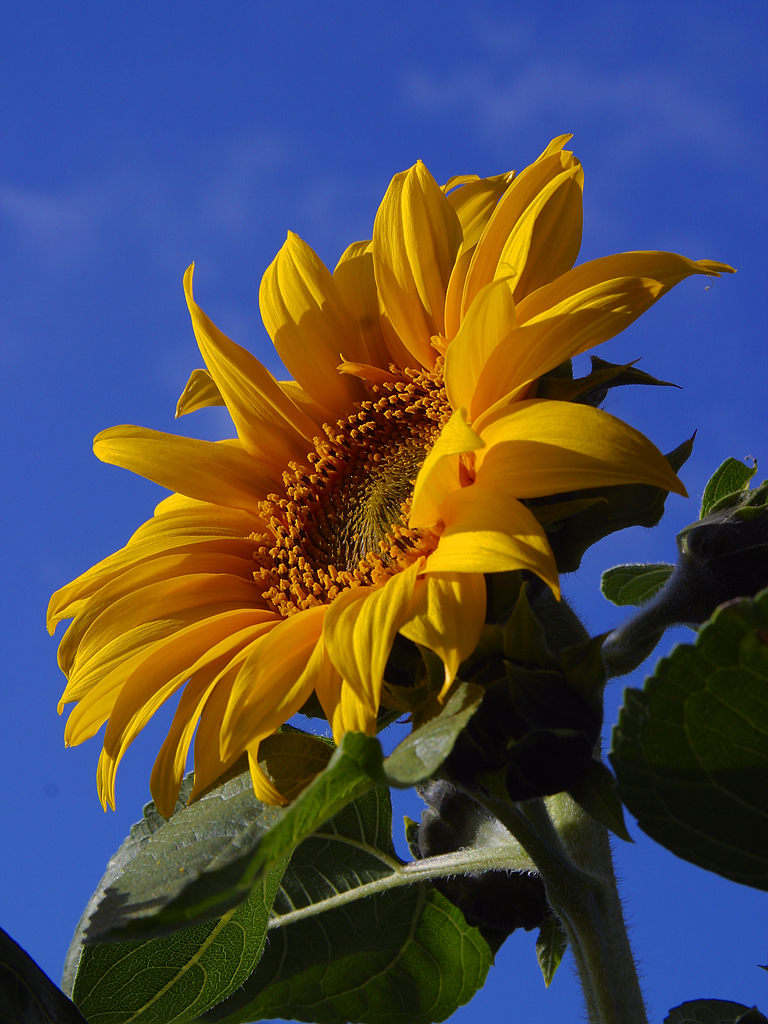 Common sunflowerHelianthus annuus
A tall annual plant grown for its large yellow flower heads and edible seeds
🇨🇦 Canada and 4 more · Wildflower
Common sunflowerHelianthus annuus
A tall annual plant grown for its large yellow flower heads and edible seeds
🇨🇦 Canada and 4 more · Wildflower
 CactusCactaceae
Succulent plants with spines, native to the Americas
🇲🇽 Mexico and 7 more · Wildflower
CactusCactaceae
Succulent plants with spines, native to the Americas
🇲🇽 Mexico and 7 more · Wildflower
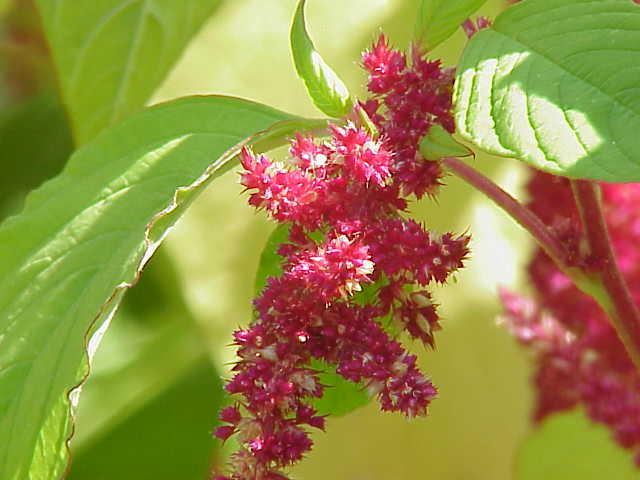 AmaranthAmaranthus
A tall, colourful plant grown for its flowers, leaves and edible seeds
🇲🇽 Mexico and 7 more · Wildflower
AmaranthAmaranthus
A tall, colourful plant grown for its flowers, leaves and edible seeds
🇲🇽 Mexico and 7 more · Wildflower
 HawthornCrataegus
A thorny shrub or tree with white or pink spring flowers and small edible fruits
🇮🇪 Ireland and 7 more · Wildflower
HawthornCrataegus
A thorny shrub or tree with white or pink spring flowers and small edible fruits
🇮🇪 Ireland and 7 more · Wildflower