
Common mallow
Malva sylvestris, family Malvaceae
A wild and garden flower with mauve-purple blooms and edible leaves
Common mallow is a perennial herb with bright mauve-purple flowers, native to Western Europe, North Africa, and Asia. It grows in meadows, fields, and roadsides, and is valued for its edible leaves and flowers, traditional uses in food and dye, and as an ornamental plant in gardens.
- Flowers are bright mauve-purple with dark veins
- Young leaves and shoots are edible and used in salads and stews
- Grows wild from Western Europe to China and North Africa
- Used for natural yellow and green dyes
- Cultivated as an ornamental garden flower
What does Common mallow look like?
Common mallow is a leafy perennial herb that can reach up to 1.5 metres tall. Its stems are branched, sometimes slightly hairy, and the leaves are roundish, palmate, and softly hairy underneath. The flowers are showy, about 2 cm across, with five reddish-purple petals marked by dark veins. They grow in small clusters along the stem. The plant produces round, segmented fruits called 'cheeses', which are brownish when ripe.
Where does Common mallow come from?
Malva sylvestris is native to Western Europe, North Africa, and parts of Asia, including regions from the Mediterranean to China. It thrives in meadows, roadsides, and fallow fields, spreading widely across temperate zones. Over time, it has naturalised in many places outside its native range, including Australia and North America. Its common names and use have spread with people, and it is now found in gardens and wild areas across much of Eurasia and North Africa.
When and how Common mallow blooms
Common mallow blooms through the summer, producing flowers in clusters along the main stem. It grows easily from seed in open, disturbed ground, preferring meadows, hedgerows, and waste places. The plant is cultivated for its flowers and edible leaves, and many garden cultivars have been selected for their colour and form. It can be grown as a biennial in the Mediterranean and as a perennial elsewhere.


How Common mallow is used
The young leaves and shoots of common mallow are eaten raw or cooked in many regions, such as Morocco, Palestine, and Egypt, where they are made into salads or stews. In the past, the flowers were used for garlands and May Day celebrations. The plant has been used for natural yellow and yellow-green dyes, and in traditional herbal medicine for its mucilage-rich leaves and seeds. It is also grown as an ornamental flower in gardens.
Kinds of Common mallow
There are several cultivar groups and varieties of Malva sylvestris. The Mauritiana group is common in gardens and includes forms once called Malva mauritiana. The Eriocarpa group has hairy seeds and stems, while the Canescens group is covered with dense white hair except for the flowers. Named cultivars include 'Zebrina', with striped lavender-purple petals, and others with blue or violet flowers.
What Common mallow means
Common mallow has been woven into garlands for May Day and used as a wild food in the Mediterranean and Middle East. Its edible leaves and flowers have made it a staple in traditional dishes, especially in winter. The plant has also been valued for its dye and as a remedy in folk medicine. In gardens, its bright flowers are appreciated for long summer blooming.
Days and festivals
Questions people ask about Common mallow
Where does common mallow come from?
Common mallow is native to Western Europe, North Africa, and parts of Asia, and now grows wild and in gardens across much of Eurasia, North Africa, and has naturalised in Australia and North America.
What does common mallow look like?
It is a leafy herb up to 1.5 metres tall, with round, softly hairy leaves and clusters of reddish-purple flowers marked by dark veins. The plant produces round, segmented fruits known as 'cheeses'.
How is common mallow used?
The young leaves and shoots are eaten raw or cooked in dishes like salads and stews, especially in the Mediterranean and Middle East. The plant is also used for natural dyes and has a history of use in traditional herbal remedies.
Are there different types of common mallow?
Yes, there are several cultivar groups and varieties, including the Mauritiana, Eriocarpa, and Canescens groups, as well as named garden cultivars like 'Zebrina' with striped petals.
What does common mallow symbolise or mean?
Common mallow has been used in garlands for May Day celebrations and is valued as a wild food and dye plant in various cultures, but the sources do not mention a specific symbolic meaning.
Good reading and sources
- Plants of the World OnlineRoyal Botanic Gardens, Kew, Plant database
- Where it has been recordedGBIF, Plant database
- Sightings and photos by naturalistsiNaturalist, Plant database
- Malva sylvestris on WikipediaEncyclopedia
- More photos on Wikimedia CommonsPhotos
- Wikidata recordOpen data
The facts on this page come from the Wikipedia article "Malva sylvestris", written by its contributors and used under the CC BY-SA 4.0 licence, and from its Wikidata record (CC0). Phool rewrote the text in its own words, with AI assistance, and compares every page with the article to make sure no passage is copied. It may be reused under the same CC BY-SA 4.0 licence with a link back.
It may contain mistakes. It is not medical or foraging advice: many flowers are poisonous, and traditional uses are reported, not recommended. If something is wrong, tell us. Last refreshed 2026-10-03.
Others in the family Malvaceae
The whole family LindenTilia
Tall, broad-leaved trees with fragrant yellow flowers and heart-shaped leaves
🇨🇳 China and 7 more · Flowering tree
LindenTilia
Tall, broad-leaved trees with fragrant yellow flowers and heart-shaped leaves
🇨🇳 China and 7 more · Flowering tree
 Hibiscus
A tropical genus with large, colourful trumpet-shaped flowers
🇮🇳 India and 7 more · Wildflower
Hibiscus
A tropical genus with large, colourful trumpet-shaped flowers
🇮🇳 India and 7 more · Wildflower
 MallowMalva
Edible and ornamental flowering plants with pink, purple or white blooms
🇮🇳 India and 6 more · Wildflower
MallowMalva
Edible and ornamental flowering plants with pink, purple or white blooms
🇮🇳 India and 6 more · Wildflower
 Small-leaved LimeTilia cordata
A tall, fragrant-flowered tree native to much of Europe
🇨🇿 Czech Republic and 6 more · Flowering tree
Small-leaved LimeTilia cordata
A tall, fragrant-flowered tree native to much of Europe
🇨🇿 Czech Republic and 6 more · Flowering tree
More from China
All the flowers of China PeachPrunus persica
A flowering fruit tree from China, grown for its pink blossoms and sweet fruit
🇨🇳 China and 7 more · Flowering tree
PeachPrunus persica
A flowering fruit tree from China, grown for its pink blossoms and sweet fruit
🇨🇳 China and 7 more · Flowering tree
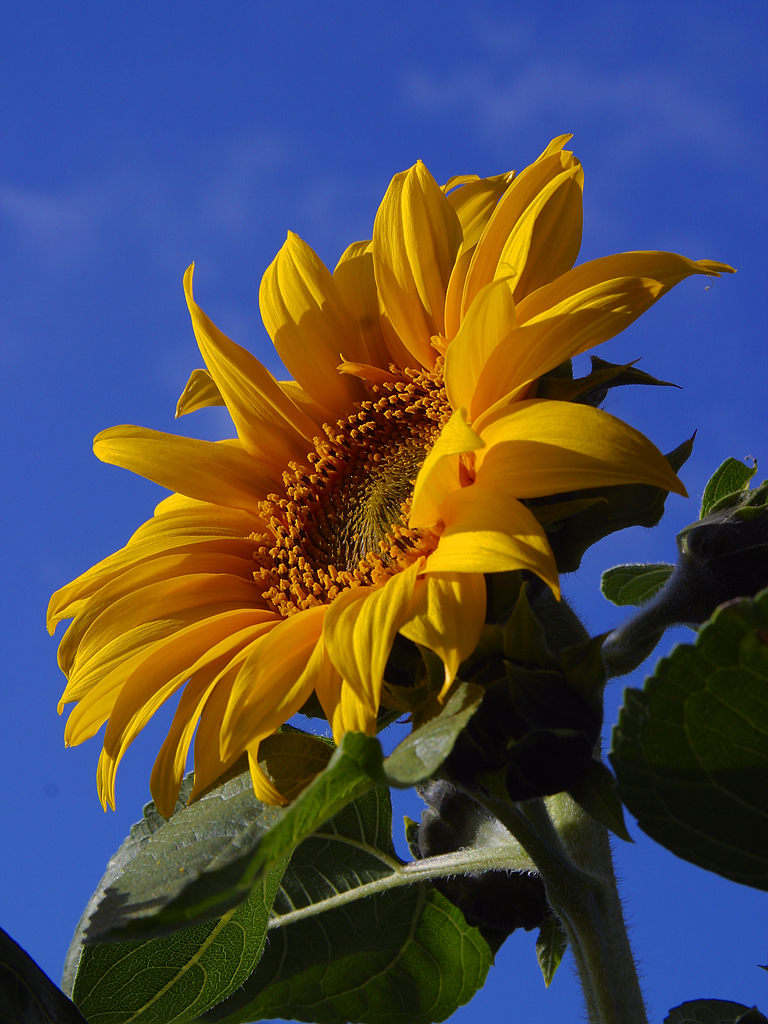 Common sunflowerHelianthus annuus
A tall annual plant grown for its large yellow flower heads and edible seeds
🇨🇦 Canada and 4 more · Wildflower
Common sunflowerHelianthus annuus
A tall annual plant grown for its large yellow flower heads and edible seeds
🇨🇦 Canada and 4 more · Wildflower
 PomegranatePunica granatum
A shrub with bright red flowers and a fruit full of edible seeds
🇮🇷 Iran and 9 more · Flowering shrub
PomegranatePunica granatum
A shrub with bright red flowers and a fruit full of edible seeds
🇮🇷 Iran and 9 more · Flowering shrub
 BirchBetula
Slender trees with papery bark found across the northern world
🇨🇳 China and 7 more · Wildflower
BirchBetula
Slender trees with papery bark found across the northern world
🇨🇳 China and 7 more · Wildflower