
Masdevallia
A large group of cool-growing orchids from the high Andes
Masdevallia is a genus of over 500 orchid species mainly found in the high-altitude cloud forests of the Andes, especially in Ecuador, Colombia, Peru, and Bolivia. These orchids are known for their triangular, often striking flowers and require cool, moist conditions to thrive.
- Over 500 species mainly from the Andes cloud forests
- Named for Spanish botanist Jose Masdevall
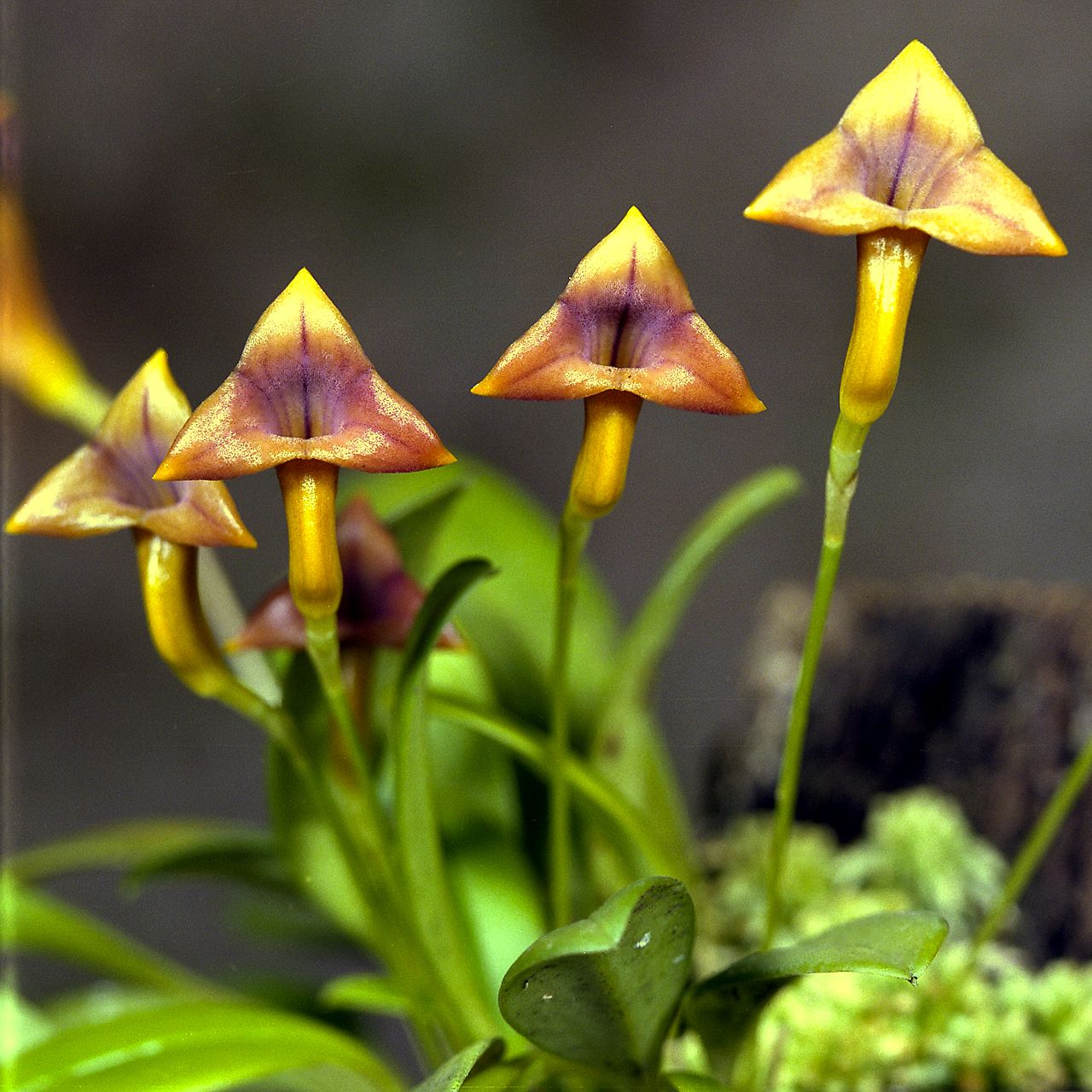
- Flowers are often triangular with fused sepals
- Require cool, moist, high-humidity conditions
- Some species are very difficult to cultivate
What does Masdevallia look like?
Masdevallia orchids grow from short or creeping rhizomes and lack the swollen stems (pseudobulbs) seen in many other orchids. Each stem carries a single, thick, upright or hanging leaf, shaped from oval to lance-like. Their flowers are usually triangular, with a showy outer layer (calyx) and much smaller inner petals. The sepals often join at the base and may end in long, tail-like tips. Flowers can appear singly or in clusters, and many species have striking shapes and colors.
Where does Masdevallia come from?
Masdevallia orchids are native to mountainous regions stretching from Mexico to southern Brazil, with most species found in the high Andes of Ecuador, Colombia, Peru, and Bolivia at elevations between 2,500 and 4,000 meters. The genus was named after Jose Masdevall, a Spanish physician and botanist. These orchids grow in cloud forests, often as epiphytes on trees, but also on rocks or the ground. Their diversity has led to a complex classification, with many subgenera and sections.
When and how Masdevallia blooms
Masdevallia orchids bloom in cool, moist conditions typical of cloud forests. They need constant moisture, high humidity, and protection from heat and dryness. In cultivation, they are usually grown in pots with sphagnum moss or fine bark, with the rhizome kept at the surface to avoid rot. Some species with hanging flower stems are best grown in baskets. They do not store water in bulbs, so their growing medium must never dry out.


How Masdevallia is used
Masdevallia orchids are mainly grown by orchid enthusiasts and collectors for their unusual and attractive flowers. They are valued in home collections and specialty gardens, but are rarely used in large-scale floral displays due to their specific growing needs. Their sensitivity to climate makes them challenging for beginners, but some species are easier to keep than others.
Kinds of Masdevallia
The genus includes over 500 species, grouped into several subgenera and sections. Notable species include Masdevallia veitchiana ('king of the masdevallias'), Masdevallia davisii ('orchid of the sun'), and Masdevallia pinocchio. Some species are known for being easier to grow, while others from very high altitudes are nearly impossible to keep outside their native habitat. The genus is divided into many subgenera, each with its own set of species.
What Masdevallia means
Masdevallia orchids are admired for their unique flower shapes and are popular among orchid specialists. The genus includes species with local names and cultural ties, such as 'waqanki' in Quechua. While not widely used in rituals or as emblems, their diversity and beauty have made them subjects of botanical study and horticultural interest. Some species are considered difficult to conserve due to their strict habitat needs.
Where to see Masdevallia

Questions people ask about Masdevallia
Where do Masdevallia orchids come from?
Masdevallia orchids are native to mountainous regions from Mexico to southern Brazil, with most species found in the high-altitude cloud forests of the Andes, especially in Ecuador, Colombia, Peru, and Bolivia.
What do Masdevallia flowers look like?
Their flowers are usually triangular, with a prominent outer calyx and smaller inner petals. The sepals are often fused at the base and may have long, tail-like extensions. Flowers can be solitary or in clusters.
How are Masdevallia orchids grown?
They need cool temperatures, high humidity, and constant moisture. They are usually grown in pots with sphagnum moss or fine bark, and the rhizome should stay at the surface. They are sensitive to heat and dryness.
Are Masdevallia orchids used for anything special?
Masdevallia orchids are mainly grown for their unusual and attractive flowers by collectors and orchid enthusiasts. They are not widely used in traditional ceremonies or as national symbols.
Are there different types of Masdevallia?
Yes, the genus has over 500 species, grouped into many subgenera and sections. Some, like Masdevallia veitchiana and Masdevallia davisii, are well known among orchid growers.
Good reading and sources
- Encyclopaedia BritannicaArticle
- USDA Plants DatabaseUS Department of Agriculture, Article
- Plants of the World OnlineRoyal Botanic Gardens, Kew, Plant database
- Where it has been recordedGBIF, Plant database
- Sightings and photos by naturalistsiNaturalist, Plant database
The facts on this page come from the Wikipedia article "Masdevallia", written by its contributors and used under the CC BY-SA 4.0 licence, and from its Wikidata record (CC0). Phool rewrote the text in its own words, with AI assistance, and compares every page with the article to make sure no passage is copied. It may be reused under the same CC BY-SA 4.0 licence with a link back.
It may contain mistakes. It is not medical or foraging advice: many flowers are poisonous, and traditional uses are reported, not recommended. If something is wrong, tell us. Last refreshed 2026-10-03.
Others in the family Orchidaceae
The whole family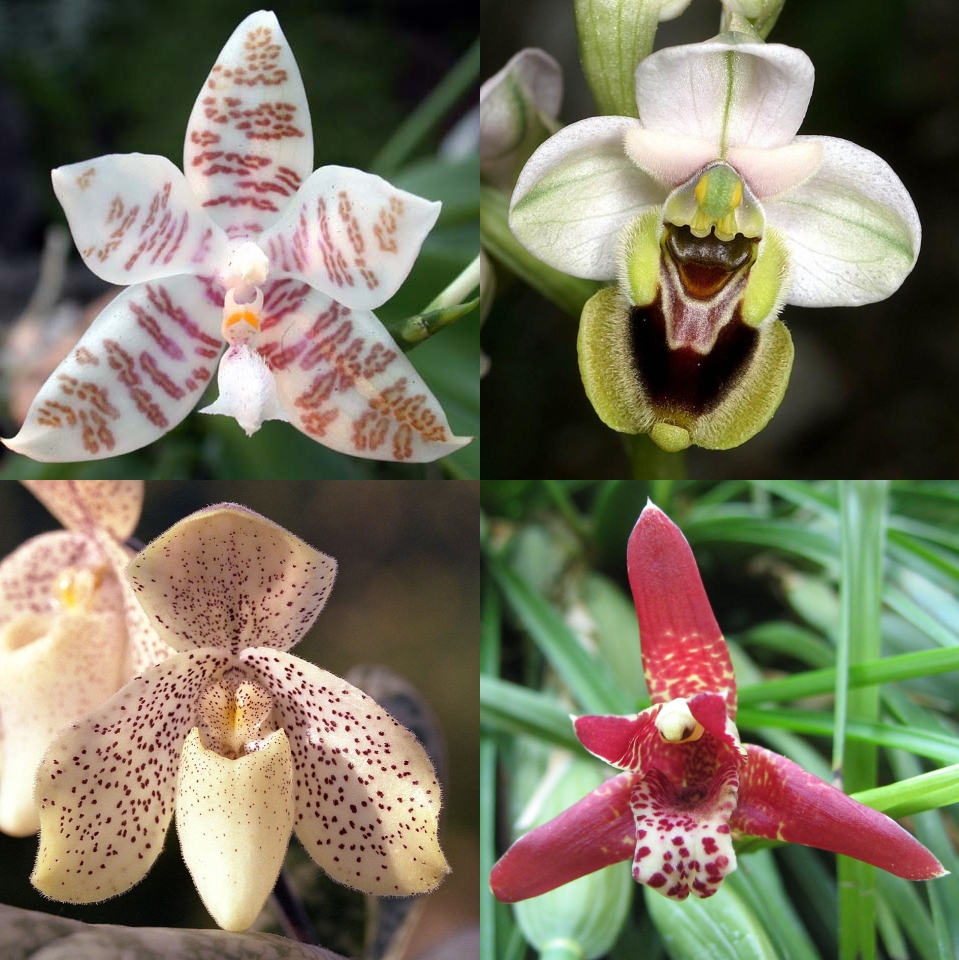 OrchidOrchidaceae
A vast family of colourful, often fragrant flowers found almost everywhere on earth
Orchidaceae · Wildflower
OrchidOrchidaceae
A vast family of colourful, often fragrant flowers found almost everywhere on earth
Orchidaceae · Wildflower
 Vanilla
Climbing orchids with pods used for the world’s most popular flavor
🇲🇽 Mexico and 7 more · Wildflower
Vanilla
Climbing orchids with pods used for the world’s most popular flavor
🇲🇽 Mexico and 7 more · Wildflower
 Orchis
A group of wild orchids with tuberous roots from Europe, North Africa and Asia
🇹🇷 Turkey and 7 more · Wildflower
Orchis
A group of wild orchids with tuberous roots from Europe, North Africa and Asia
🇹🇷 Turkey and 7 more · Wildflower
 Pansy orchidMiltoniopsis
An orchid with flowers that resemble garden pansies
🇨🇷 Costa Rica and 5 more · Orchid
Pansy orchidMiltoniopsis
An orchid with flowers that resemble garden pansies
🇨🇷 Costa Rica and 5 more · Orchid
More from Mexico
All the flowers of Mexico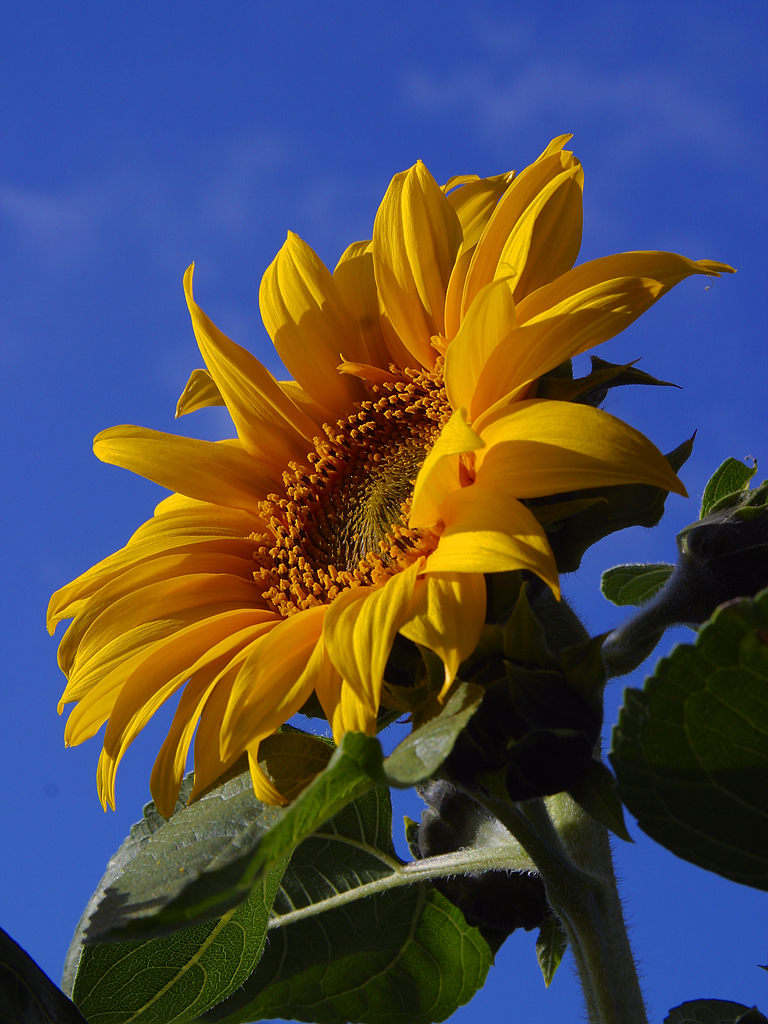 Common sunflowerHelianthus annuus
A tall annual plant grown for its large yellow flower heads and edible seeds
🇨🇦 Canada and 4 more · Wildflower
Common sunflowerHelianthus annuus
A tall annual plant grown for its large yellow flower heads and edible seeds
🇨🇦 Canada and 4 more · Wildflower
 CactusCactaceae
Succulent plants with spines, native to the Americas
🇲🇽 Mexico and 7 more · Wildflower
CactusCactaceae
Succulent plants with spines, native to the Americas
🇲🇽 Mexico and 7 more · Wildflower
 AmaranthAmaranthus
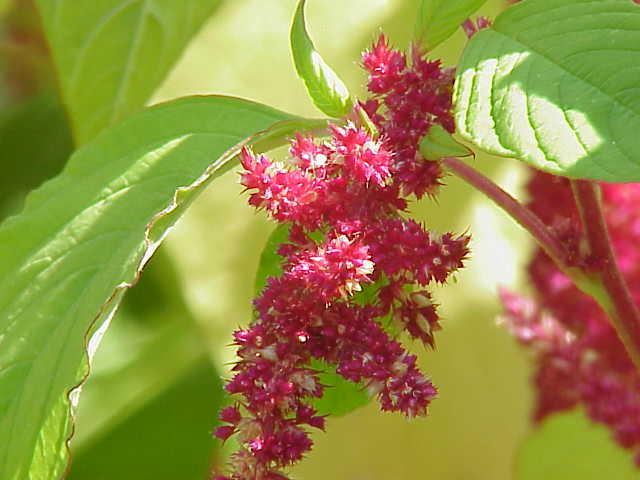
A tall, colourful plant grown for its flowers, leaves and edible seeds
🇲🇽 Mexico and 7 more · Wildflower
AmaranthAmaranthus
A tall, colourful plant grown for its flowers, leaves and edible seeds
🇲🇽 Mexico and 7 more · Wildflower
 HawthornCrataegus
A thorny shrub or tree with white or pink spring flowers and small edible fruits
🇮🇪 Ireland and 7 more · Wildflower
HawthornCrataegus
A thorny shrub or tree with white or pink spring flowers and small edible fruits
🇮🇪 Ireland and 7 more · Wildflower