
Paeonia daurica
A wild peony with many forms, native from the Balkans to Iran
Paeonia daurica is a perennial peony found in forests and mountains from southeastern Europe through the Caucasus to northern Iran and Lebanon. Its flowers, which appear singly on each stem, can be white, yellow, pink or red, and are grown both in the wild and as ornamentals.
- Found from the Balkans through the Caucasus to northern Iran and Lebanon
- Flowers can be white, yellow, pink, or red, depending on the subspecies
- Each stem bears a single large flower in spring
- Leaves are divided into several oval or egg-shaped leaflets
- Grown as an ornamental in gardens and valued as a wildflower
What does Paeonia daurica look like?
This peony grows as a herbaceous perennial, sprouting anew each spring and dying back in autumn. Its roots are slender and shaped like carrots, reaching down into the soil. The leaves are divided into several oval or egg-shaped leaflets, sometimes up to nineteen, with smooth or softly hairy undersides. Each stem carries a single flower, which may have five to eight petals in shades of white, yellow, pink, or red. The center is filled with many stamens and one to five seed pods.
Where does Paeonia daurica come from?
Paeonia daurica is native to a broad area stretching from the Balkans and the Crimea through the Caucasus and northern Iran to Lebanon. It prefers humid forests and mountain slopes, often growing among oaks, beeches, and maples. The plant was first described in the early 19th century, and over time botanists have debated how to classify its many forms, which differ in leaf shape, petal color, and hairiness.
When and how Paeonia daurica blooms
The plant emerges in spring, flowering as the weather warms. It grows from underground roots and thrives in woodland or mountain habitats, often on limestone or sandstone soils. Gardeners can grow it from seed or by planting young plants, and several subspecies are available for cultivation.


How Paeonia daurica is used
Paeonia daurica is valued as an ornamental plant for gardens, especially for its varied and colorful blooms. In the wild, it forms part of the natural flora of forests and mountain meadows. There is no mention of use in rituals, food, or medicine in the sources.
Kinds of Paeonia daurica
There are seven recognized subspecies, each with differences in leaf size, shape, and hairiness, as well as flower color. For example, subsp. mlokosewitschii is known for its pale yellow or white flowers, while subsp. coriifolia and daurica have red blooms. Subsp. tomentosa and velebitensis are notable for their densely hairy leaves and fruits.
What Paeonia daurica means
While Paeonia daurica does not have a specific symbolic meaning or role in festivals according to the sources, it is appreciated for its beauty and diversity. Its many forms have led to a complex taxonomic history, with botanists revising its classification over two centuries. It is not listed as a national or regional emblem.
Where Paeonia daurica is used and seen

Questions people ask about Paeonia daurica
Where does Paeonia daurica come from?
It is native to a wide region from southeastern Europe (the Balkans and Crimea) through the Caucasus, northern Iran, and Lebanon, often found in forests and mountain slopes.
What do the flowers of Paeonia daurica look like?
The flowers appear singly on each stem and can have five to eight petals in shades of white, yellow, pink, or red, with many stamens in the center.
How is Paeonia daurica used?
It is mainly grown as an ornamental plant in gardens and is also valued as a wildflower in its native habitats. There are no records of ritual, medicinal, or culinary use in the sources.
Are there different forms of Paeonia daurica?
Yes, there are seven subspecies, each with differences in leaf shape, hairiness, and flower color, ranging from white and yellow to pink and red.
Does Paeonia daurica have any special meaning or symbolism?
The sources do not mention any particular symbolic meaning, religious role, or festival associated with this peony.
Good reading and sources
- Paeonia daurica subsp. mlokosewitschiiRoyal Horticultural Society, Article
- Plants of the World OnlineRoyal Botanic Gardens, Kew, Plant database
- Where it has been recordedGBIF, Plant database
- Sightings and photos by naturalistsiNaturalist, Plant database
- Paeonia daurica on WikipediaEncyclopedia
- More photos on Wikimedia CommonsPhotos
- Wikidata recordOpen data
The facts on this page come from the Wikipedia article "Paeonia daurica", written by its contributors and used under the CC BY-SA 4.0 licence, and from its Wikidata record (CC0). Phool rewrote the text in its own words, with AI assistance, and compares every page with the article to make sure no passage is copied. It may be reused under the same CC BY-SA 4.0 licence with a link back.
It may contain mistakes. It is not medical or foraging advice: many flowers are poisonous, and traditional uses are reported, not recommended. If something is wrong, tell us. Last refreshed 2026-10-03.
Others in the family Paeoniaceae
The whole family PeonyPaeonia
Large spring flowers in pink, red, white, yellow and purple, grown in gardens worldwide
🇨🇳 China and 7 more · Wildflower
PeonyPaeonia
Large spring flowers in pink, red, white, yellow and purple, grown in gardens worldwide
🇨🇳 China and 7 more · Wildflower
 Paeonia peregrina
A wild red peony native to southeastern Europe and Turkey
🇷🇴 Romania and 7 more · Wildflower
Paeonia peregrina
A wild red peony native to southeastern Europe and Turkey
🇷🇴 Romania and 7 more · Wildflower
 Woodland peonyPaeonia obovata
A woodland peony with white, pink or purple-red flowers from East Asia
🇨🇳 China and 2 more · Wildflower
Woodland peonyPaeonia obovata
A woodland peony with white, pink or purple-red flowers from East Asia
🇨🇳 China and 2 more · Wildflower
 Moutan peonyPaeonia × suffruticosa
The woody peony of China with large, showy spring flowers
🇨🇳 China and 4 more · Flowering shrub
Moutan peonyPaeonia × suffruticosa
The woody peony of China with large, showy spring flowers
🇨🇳 China and 4 more · Flowering shrub
More from Georgia
All the flowers of Georgia Helianthus
Tall North American plants with large, bright flower heads called sunflowers
🇺🇦 Ukraine and 1 more · Wildflower
Helianthus
Tall North American plants with large, bright flower heads called sunflowers
🇺🇦 Ukraine and 1 more · Wildflower
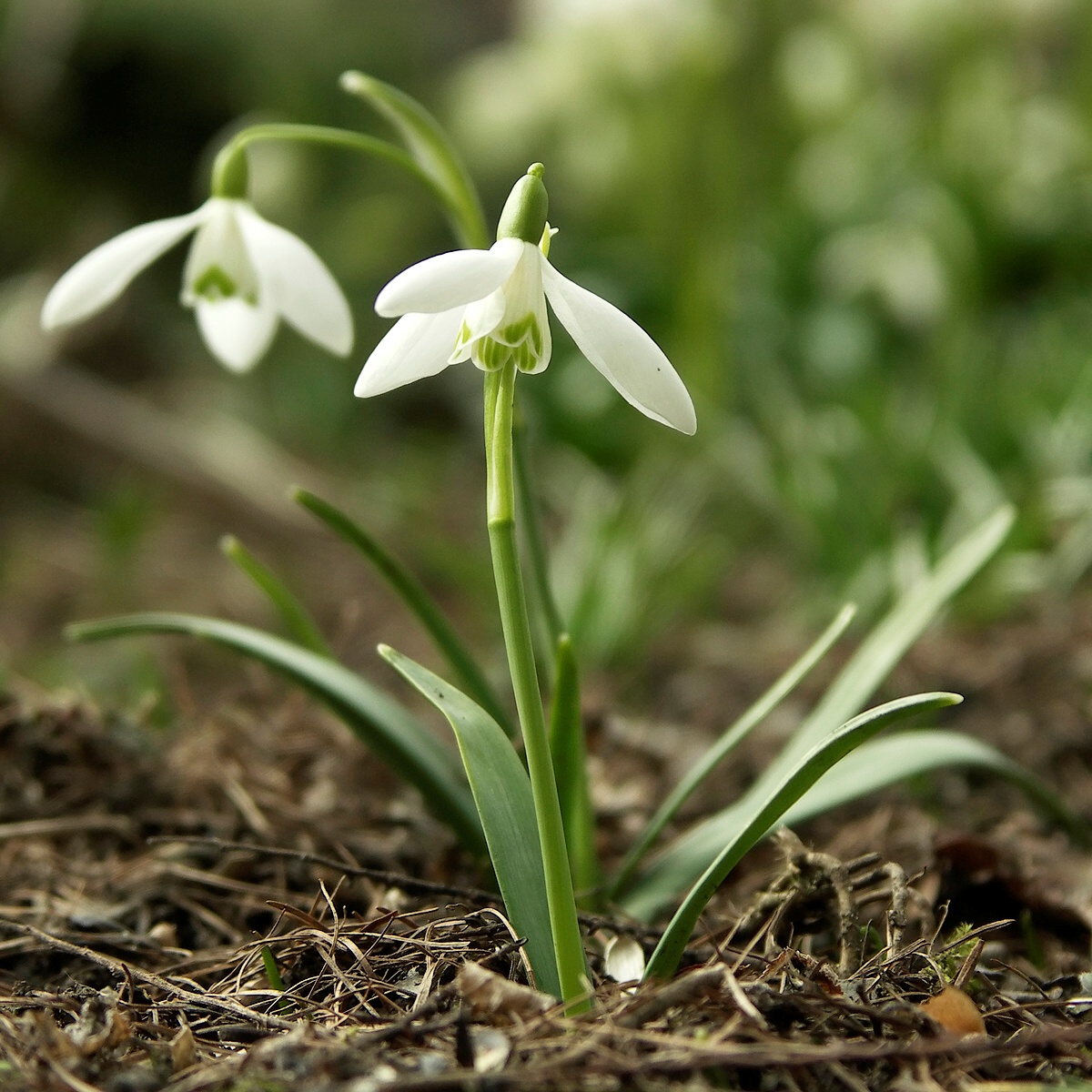 SnowdropGalanthus
White bell-shaped flowers that bloom at the end of winter
🇹🇷 Turkey and 7 more · Wildflower
SnowdropGalanthus
White bell-shaped flowers that bloom at the end of winter
🇹🇷 Turkey and 7 more · Wildflower
 MallowMalva
Edible and ornamental flowering plants with pink, purple or white blooms
🇮🇳 India and 6 more · Wildflower
MallowMalva
Edible and ornamental flowering plants with pink, purple or white blooms
🇮🇳 India and 6 more · Wildflower
 White cloverTrifolium repens
A low-growing, mat-forming clover with white flower heads
🇨🇳 China and 7 more · Wildflower
White cloverTrifolium repens
A low-growing, mat-forming clover with white flower heads
🇨🇳 China and 7 more · Wildflower