
Chinese peony
Paeonia lactiflora, family Paeoniaceae
A fragrant perennial with large white, pink, or crimson flowers from Asia
The Chinese peony is a perennial plant native to central and eastern Asia, known for its large, fragrant flowers in white, pink, or crimson. Grown in gardens since the 7th century in China, it is now a main source for cut peonies and has inspired many artists.
- Native to central and eastern Asia, including northern China and eastern Tibet
- Large, fragrant flowers bloom in late spring in white, pink, or crimson
- Cultivated in China since the 7th century and introduced to Europe in the 18th century
- Parent of most modern peony varieties and widely used in the cut flower trade
- Featured in paintings by Renoir, Monet, Van Gogh, and Manet
What does Chinese peony look like?
Chinese peony is a herbaceous perennial that grows 50–70 cm tall and wide, with deeply lobed leaves up to 40 cm long. Its flower buds are large and round, opening in late spring to reveal cup- or bowl-shaped blooms 8–16 cm across. The flowers have 5–10 petals, which may be white, pink, or crimson, and contain yellow stamens. Many cultivated forms have double flowers, with extra petals replacing stamens. The blooms are fragrant and attract butterflies.
Where does Chinese peony come from?
Native to central and eastern Asia, including northern China, eastern Tibet, and eastern Siberia, the Chinese peony has grown wild on stony slopes, riverbanks, and woodland edges. It has been cultivated in Chinese gardens since the 7th century. The plant was introduced to Europe in the mid-18th century, where it was first called the white peony. It is the parent of most modern peony varieties. The Latin name 'lactiflora' refers to its milk-white flowers.
When and how Chinese peony blooms
Chinese peony blooms in late spring, with buds appearing in May in the northern hemisphere. It thrives in dry, open, stony places, riverbanks, and sparse woodland edges. The plant is grown from root divisions or seeds and prefers well-drained soil. Gardeners select from hundreds of cultivars, choosing for flower form and color. The species is now widely grown for both gardens and the cut flower trade.


How Chinese peony is used
In China, Chinese peony has been valued as a garden plant for over a thousand years. It is a popular choice for cut flowers due to its prolific and showy blooms. Traditionally, peonies were given at farewells as a promise to reunite. The plant is also used as a subject in art, especially by Impressionist painters. Its leaves contain certain acids, but the sources do not mention medicinal or culinary use.
Kinds of Chinese peony
There are several hundred cultivars of Chinese peony, with a wide range of flower colors from white and pink to rose and near red. Forms vary from single to fully double, with some cultivars having extra petals instead of stamens. Many of these varieties are used in the cut flower industry. Some cultivars have received awards for their garden performance.
What Chinese peony means
In Chinese tradition, Paeonia lactiflora is called 'the Minister of Flowers', while the tree peony is 'the King of Flowers'. Peonies were often exchanged at farewells, symbolizing a promise to meet again. In Europe, the flower became a favorite subject for Impressionist artists such as Renoir, Monet, Van Gogh, and Manet, who painted peonies in various still lifes. The plant remains a symbol of beauty and reunion.
Where Chinese peony is used and seen

Where to see Chinese peony

Questions people ask about Chinese peony
Where does the Chinese peony come from?
The Chinese peony is native to central and eastern Asia, including eastern Tibet, northern China, and eastern Siberia. It grows wild on stony slopes, riverbanks, and woodland edges.
What does the Chinese peony look like?
It is a perennial plant about 50–70 cm tall, with deeply lobed leaves and large, fragrant flowers. The blooms are cup- or bowl-shaped, 8–16 cm across, and come in white, pink, or crimson.
What is the Chinese peony used for?
It is grown as a garden plant and is a main source for cut flowers. In China, it has been cultivated since the 7th century and is often given as a farewell gift, symbolizing a promise to reunite.
What does the Chinese peony symbolize?
In Chinese tradition, it is called 'the Minister of Flowers' and is associated with beauty and reunion. Peonies were given at farewells as a promise to meet again.
When does the Chinese peony flower?
The Chinese peony flowers in late spring, with buds opening in May in the northern hemisphere.
Good reading and sources
- Encyclopaedia BritannicaArticle
- Paeonia lactiflora 'Félix Crousse'Royal Horticultural Society, Article
- USDA Plants DatabaseUS Department of Agriculture, Article
- Plants of the World OnlineRoyal Botanic Gardens, Kew, Plant database
- Where it has been recordedGBIF, Plant database
- Sightings and photos by naturalistsiNaturalist, Plant database
- Paeonia lactiflora on WikipediaEncyclopedia
- More photos on Wikimedia CommonsPhotos
- Wikidata recordOpen data
The facts on this page come from the Wikipedia article "Paeonia lactiflora", written by its contributors and used under the CC BY-SA 4.0 licence, and from its Wikidata record (CC0). Phool rewrote the text in its own words, with AI assistance, and compares every page with the article to make sure no passage is copied. It may be reused under the same CC BY-SA 4.0 licence with a link back.
It may contain mistakes. It is not medical or foraging advice: many flowers are poisonous, and traditional uses are reported, not recommended. If something is wrong, tell us. Last refreshed 2026-10-03.
Others in the family Paeoniaceae
The whole family PeonyPaeonia
Large spring flowers in pink, red, white, yellow and purple, grown in gardens worldwide
🇨🇳 China and 7 more · Wildflower
PeonyPaeonia
Large spring flowers in pink, red, white, yellow and purple, grown in gardens worldwide
🇨🇳 China and 7 more · Wildflower
 Paeonia peregrina
A wild red peony native to southeastern Europe and Turkey
🇷🇴 Romania and 7 more · Wildflower
Paeonia peregrina
A wild red peony native to southeastern Europe and Turkey
🇷🇴 Romania and 7 more · Wildflower
 Woodland peonyPaeonia obovata
A woodland peony with white, pink or purple-red flowers from East Asia
🇨🇳 China and 2 more · Wildflower
Woodland peonyPaeonia obovata
A woodland peony with white, pink or purple-red flowers from East Asia
🇨🇳 China and 2 more · Wildflower
 Moutan peonyPaeonia × suffruticosa
The woody peony of China with large, showy spring flowers
🇨🇳 China and 4 more · Flowering shrub
Moutan peonyPaeonia × suffruticosa
The woody peony of China with large, showy spring flowers
🇨🇳 China and 4 more · Flowering shrub
More from China
All the flowers of China PeachPrunus persica
A flowering fruit tree from China, grown for its pink blossoms and sweet fruit
🇨🇳 China and 7 more · Flowering tree
PeachPrunus persica
A flowering fruit tree from China, grown for its pink blossoms and sweet fruit
🇨🇳 China and 7 more · Flowering tree
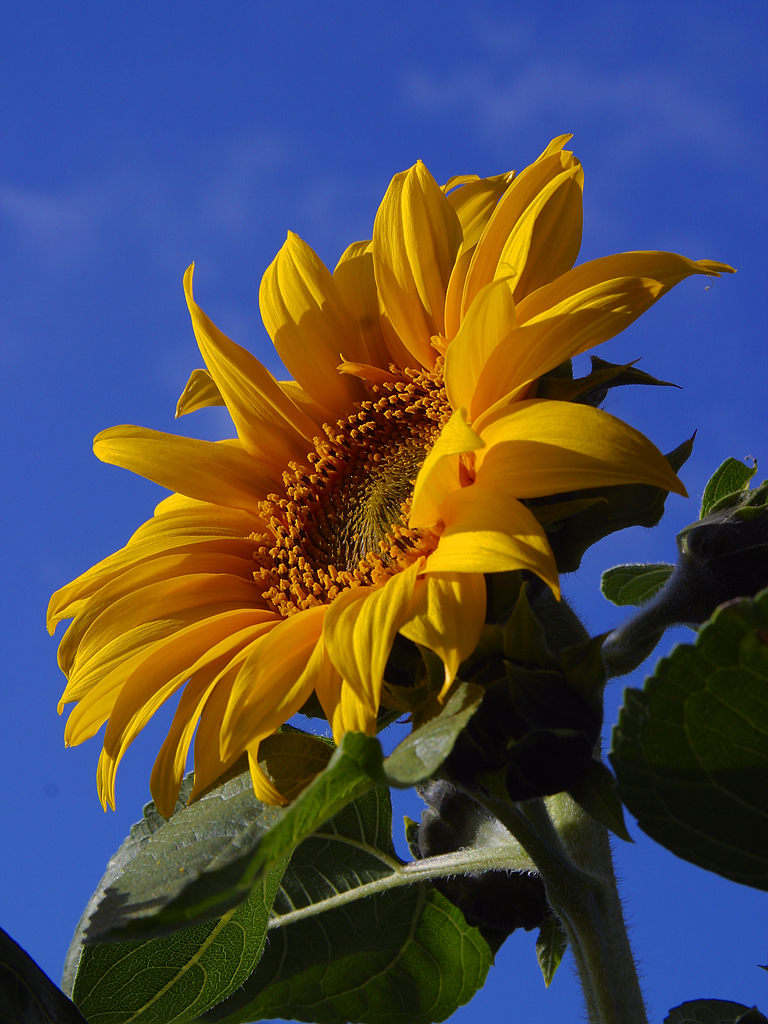 Common sunflowerHelianthus annuus
A tall annual plant grown for its large yellow flower heads and edible seeds
🇨🇦 Canada and 4 more · Wildflower
Common sunflowerHelianthus annuus
A tall annual plant grown for its large yellow flower heads and edible seeds
🇨🇦 Canada and 4 more · Wildflower
 PomegranatePunica granatum
A shrub with bright red flowers and a fruit full of edible seeds
🇮🇷 Iran and 9 more · Flowering shrub
PomegranatePunica granatum
A shrub with bright red flowers and a fruit full of edible seeds
🇮🇷 Iran and 9 more · Flowering shrub
 BirchBetula
Slender trees with papery bark found across the northern world
🇨🇳 China and 7 more · Wildflower
BirchBetula
Slender trees with papery bark found across the northern world
🇨🇳 China and 7 more · Wildflower