
Taiwan cherry
Prunus campanulata, family Rosaceae
An early-blooming cherry tree with deep pink, bell-shaped flowers
Taiwan cherry is a small tree or large shrub native to southern and eastern China, Taiwan, Japan, and Vietnam. It is grown for its early, deep pink, bell-shaped blossoms and is a symbol of Nago in Japan. The tree supports local wildlife and is also known as Formosan cherry or bellflower cherry.
- Native to southern and eastern China, Taiwan, Japan, and Vietnam
- Blooms early with deep pink, bell-shaped flowers
- Symbol of Nago in Japan
- Host plant for butterflies and birds in Taiwan
- Invasive in parts of New Zealand
What does Taiwan cherry look like?
Taiwan cherry grows as a large shrub or small tree, reaching 3 to 8 meters tall. Its flowers are deep pink and shaped like bells, blooming early in the season before many other cherry trees. The blossoms appear in clusters along the branches, making the tree stand out when in flower. The tree is deciduous and provides food for certain butterflies and birds.
Where does Taiwan cherry come from?
This cherry species is native to southern and eastern China, Taiwan, Japan, and Vietnam. It was first described in 1883 by Carl Johann Maximowicz. Over time, it has been widely planted as an ornamental tree in gardens and parks, especially in Japan, where it has become part of local culture. In some places, such as New Zealand, it has become invasive.
When and how Taiwan cherry blooms
The tree blooms early, often in late winter or early spring. Its seeds need exposure to both cold and warm temperatures to break dormancy and germinate. Pollinating insects fertilize the flowers. The tree can start flowering within one to two years of growth. It is usually grown from seed or by cultivating young plants.


How Taiwan cherry is used
Taiwan cherry is mainly planted for its ornamental value, bringing early color to gardens and parks. In Japan, it is a symbol of Nago and lines riverbanks in places like Kawazu, attracting visitors during its bloom. The tree also supports local wildlife, serving as a food source for butterflies and birds in Taiwan.
Kinds of Taiwan cherry
Several cultivars have been developed, especially in Japan. 'Kawazu-zakura' is an early-flowering hybrid with deep pink petals, found along the Kawazu River. 'Yoko' is another cultivar, bred for disease resistance and also known for its deep pink blossoms. These cultivars differ in flower shape and blooming time from the original species.
What Taiwan cherry means
The Taiwan cherry is a symbol of the city of Nago in Japan. Rows of these trees are a tourist attraction during their early flowering season. In New Zealand, the tree is considered invasive and its distribution is restricted. The species also plays a role in supporting native butterflies and birds in its home regions.
Where Taiwan cherry is used and seen

Questions people ask about Taiwan cherry
Where does the Taiwan cherry come from?
It is native to southern and eastern China, Taiwan, Japan, and Vietnam, and grows wild in these regions.
What does the Taiwan cherry look like?
It is a small tree or large shrub with deep pink, bell-shaped flowers that bloom early in the season.
What is the Taiwan cherry used for?
It is mainly grown as an ornamental tree in gardens and parks, and is a symbol of Nago in Japan.
Is the Taiwan cherry important for wildlife?
Yes, it is a food source for butterflies and birds, such as the Taiwan yuhina and Chrysozephyrus nishikaze.
Are there any notable varieties of Taiwan cherry?
Yes, cultivars like 'Kawazu-zakura' and 'Yoko' have been developed in Japan for their early bloom and deep pink flowers.
Good reading and sources
- Plants of the World OnlineRoyal Botanic Gardens, Kew, Plant database
- Where it has been recordedGBIF, Plant database
- Sightings and photos by naturalistsiNaturalist, Plant database
- Prunus campanulata on WikipediaEncyclopedia
- More photos on Wikimedia CommonsPhotos
- Wikidata recordOpen data
The facts on this page come from the Wikipedia article "Prunus campanulata", written by its contributors and used under the CC BY-SA 4.0 licence, and from its Wikidata record (CC0). Phool rewrote the text in its own words, with AI assistance, and compares every page with the article to make sure no passage is copied. It may be reused under the same CC BY-SA 4.0 licence with a link back.
It may contain mistakes. It is not medical or foraging advice: many flowers are poisonous, and traditional uses are reported, not recommended. If something is wrong, tell us. Last refreshed 2026-10-03.
Others in the family Rosaceae
The whole family RoseRosa
Woody perennial plants with showy, often fragrant flowers in many colours
Rosa · Wildflower
RoseRosa
Woody perennial plants with showy, often fragrant flowers in many colours
Rosa · Wildflower
 AlmondPrunus amygdalus
A Mediterranean tree grown for its fragrant spring flowers and edible seeds
🇮🇷 Iran and 6 more · Flowering tree
AlmondPrunus amygdalus
A Mediterranean tree grown for its fragrant spring flowers and edible seeds
🇮🇷 Iran and 6 more · Flowering tree
 ApricotPrunus armeniaca
A small fruit tree with early white to pink blossoms and golden-orange fruit
🇨🇳 China and 6 more · Flowering tree
ApricotPrunus armeniaca
A small fruit tree with early white to pink blossoms and golden-orange fruit
🇨🇳 China and 6 more · Flowering tree
 Wild cherryPrunus avium
A tall flowering tree native to Europe, grown for its sweet fruit and spring blossom
🇮🇹 Italy and 6 more · Flowering tree
Wild cherryPrunus avium
A tall flowering tree native to Europe, grown for its sweet fruit and spring blossom
🇮🇹 Italy and 6 more · Flowering tree
More from China
All the flowers of China PeachPrunus persica
A flowering fruit tree from China, grown for its pink blossoms and sweet fruit
🇨🇳 China and 7 more · Flowering tree
PeachPrunus persica
A flowering fruit tree from China, grown for its pink blossoms and sweet fruit
🇨🇳 China and 7 more · Flowering tree
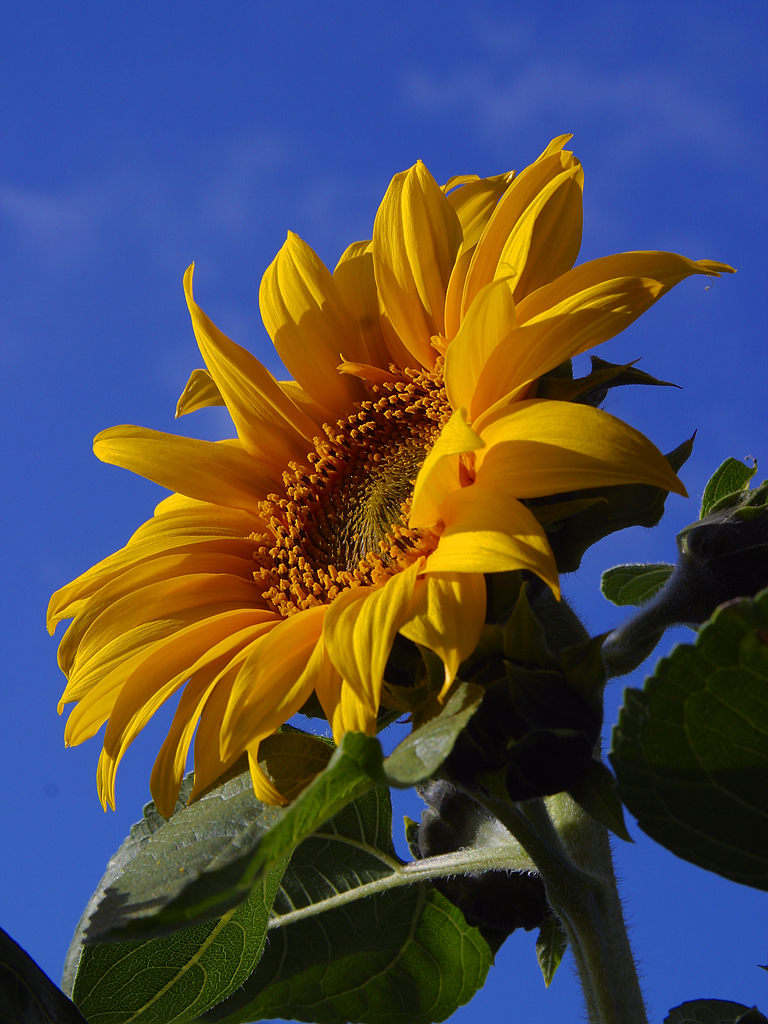 Common sunflowerHelianthus annuus
A tall annual plant grown for its large yellow flower heads and edible seeds
🇨🇦 Canada and 4 more · Wildflower
Common sunflowerHelianthus annuus
A tall annual plant grown for its large yellow flower heads and edible seeds
🇨🇦 Canada and 4 more · Wildflower
 PomegranatePunica granatum
A shrub with bright red flowers and a fruit full of edible seeds
🇮🇷 Iran and 9 more · Flowering shrub
PomegranatePunica granatum
A shrub with bright red flowers and a fruit full of edible seeds
🇮🇷 Iran and 9 more · Flowering shrub
 BirchBetula
Slender trees with papery bark found across the northern world
🇨🇳 China and 7 more · Wildflower
BirchBetula
Slender trees with papery bark found across the northern world
🇨🇳 China and 7 more · Wildflower