
Pink and white everlasting
Rhodanthe chlorocephala, family Asteraceae
A small Australian wildflower with papery pink, white, or yellow blooms
Pink and white everlasting is a small annual wildflower native to Western and South Australia. It has blue-green leaves and single, papery flowers in shades of pink, white, yellow, or cream, blooming from June to November in woodlands and near salt lakes.
- Native to Western and South Australia
- Flowers are pink, white, yellow, or cream with papery bracts
- Blooms from June to November
- Grows in woodlands, wet areas, and near salt lakes
- Known as rosy sunray
What does Pink and white everlasting look like?
Pink and white everlasting is a small, tufted annual plant. Its stems grow up to 30 cm tall, topped with single flowers 10 to 60 mm wide. The flowers have papery bracts in pink, white, yellow, or cream, with greenish or yellow centers. Leaves are narrow, blue-green, and hairless, clustered at the base. Buds show green outer bracts before opening.
Where does Pink and white everlasting come from?
This wildflower is native to Western Australia and South Australia, where it grows in eucalypt woodlands, wet spots, around salt lakes, and on various soils such as sand, clay, and loam. It was first described in 1851 under a different name and later reclassified as Rhodanthe chlorocephala. The name means 'green headed,' referring to the flower's center.
When and how Pink and white everlasting blooms
Pink and white everlasting blooms mainly from June to November, which is winter to late spring in Australia. It grows from seed each year, thriving in open, sunny places with well-drained soils. The plant is adapted to both wild habitats and garden settings, where it is valued for its colourful, long-lasting flowers.


How Pink and white everlasting is used
People grow pink and white everlasting in gardens for its bright, papery blooms and as a feature in wildflower displays. Its flowers are often used in home decoration, as they keep their colour and shape when dried. In the wild, it adds colour to Australian landscapes during the cooler months.
Kinds of Pink and white everlasting
There are three accepted subspecies: the typical Rhodanthe chlorocephala, subsp. rosea (also known as Helipterum roseum), and subsp. splendida. These may differ in flower colour or form, but all share the same general look and habitat.
What Pink and white everlasting means
Pink and white everlasting is a familiar sight in Australian wildflower regions and is sometimes called 'rosy sunray.' Its papery blooms are a symbol of the Australian bush in winter and spring. The plant is not tied to any particular emblem or festival, but is valued for its resilience and beauty in both wild and cultivated spaces.
Traditions that use it
Questions people ask about Pink and white everlasting
Where does pink and white everlasting come from?
Pink and white everlasting is native to Western Australia and South Australia, where it grows in woodlands, wet areas, and around salt lakes.
What does the flower look like?
It is a small plant with blue-green leaves and single flowers on long stems. The flowers have papery bracts in pink, white, yellow, or cream, and greenish or yellow centers.
When does it flower?
Pink and white everlasting blooms mainly from June to November, which is winter and spring in Australia.
How is pink and white everlasting used?
It is grown in gardens for its colourful, long-lasting flowers and is used in home decoration, especially as a dried flower.
Are there different types of pink and white everlasting?
Yes, there are three accepted subspecies: the typical form, subsp. rosea, and subsp. splendida, which may vary in flower colour or form.
Good reading and sources
- Rhodanthe chlorocephalaAustralian National Botanic Gardens, Article
- USDA Plants DatabaseUS Department of Agriculture, Article
- Plants of the World OnlineRoyal Botanic Gardens, Kew, Plant database
- Where it has been recordedGBIF, Plant database
- Sightings and photos by naturalistsiNaturalist, Plant database
- Rhodanthe chlorocephala on WikipediaEncyclopedia
- More photos on Wikimedia CommonsPhotos
- Wikidata recordOpen data
The facts on this page come from the Wikipedia article "Rhodanthe chlorocephala", written by its contributors and used under the CC BY-SA 4.0 licence, and from its Wikidata record (CC0). Phool rewrote the text in its own words, with AI assistance, and compares every page with the article to make sure no passage is copied. It may be reused under the same CC BY-SA 4.0 licence with a link back.
It may contain mistakes. It is not medical or foraging advice: many flowers are poisonous, and traditional uses are reported, not recommended. If something is wrong, tell us. Last refreshed 2026-10-03.
Others in the family Asteraceae
The whole family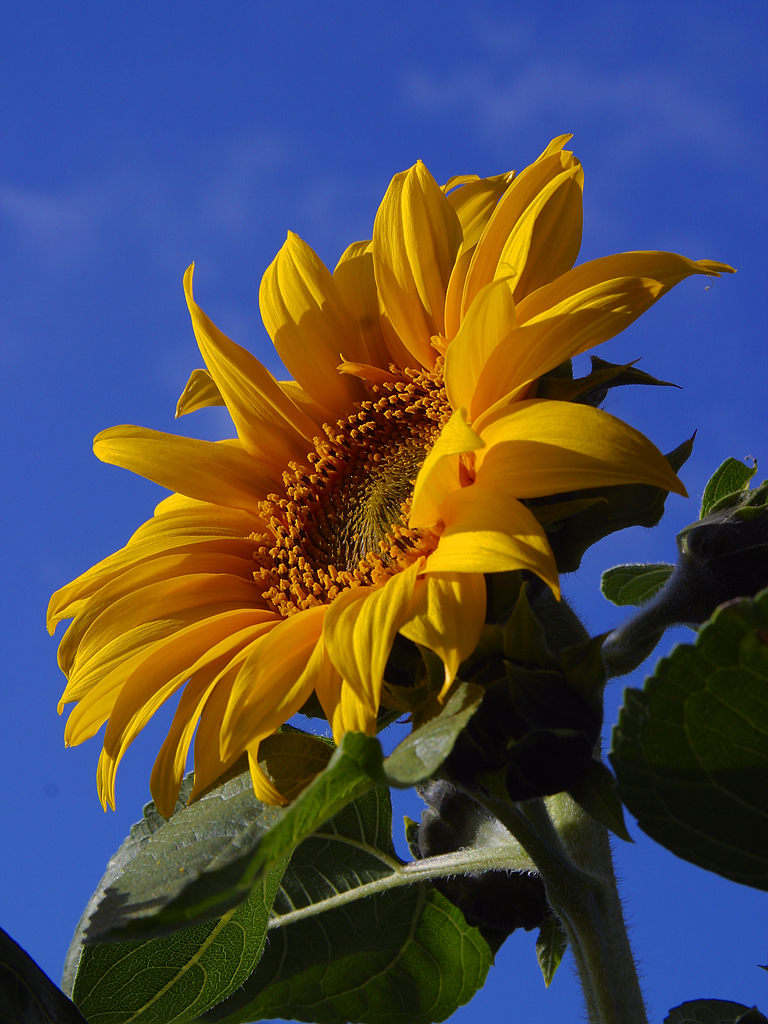 Common sunflowerHelianthus annuus
A tall annual plant grown for its large yellow flower heads and edible seeds
🇨🇦 Canada and 4 more · Wildflower
Common sunflowerHelianthus annuus
A tall annual plant grown for its large yellow flower heads and edible seeds
🇨🇦 Canada and 4 more · Wildflower
 Chrysanthemum菊花
Autumn-blooming flower with thousands of varieties, cherished in East Asia and beyond
🇨🇳 China and 6 more · Wildflower
Chrysanthemum菊花
Autumn-blooming flower with thousands of varieties, cherished in East Asia and beyond
🇨🇳 China and 6 more · Wildflower
 Asteraceae
The vast family of daisies, asters, and sunflowers with star-like flower heads
Asteraceae · Wildflower
Asteraceae
The vast family of daisies, asters, and sunflowers with star-like flower heads
Asteraceae · Wildflower
 DandelionTaraxacum
A yellow-flowered perennial found in fields, lawns, and gardens worldwide
Taraxacum · Wildflower
DandelionTaraxacum
A yellow-flowered perennial found in fields, lawns, and gardens worldwide
Taraxacum · Wildflower
More from Australia
All the flowers of Australia AlmondPrunus amygdalus
A Mediterranean tree grown for its fragrant spring flowers and edible seeds
🇮🇷 Iran and 6 more · Flowering tree
AlmondPrunus amygdalus
A Mediterranean tree grown for its fragrant spring flowers and edible seeds
🇮🇷 Iran and 6 more · Flowering tree
 FennelFoeniculum vulgare
A tall, aromatic herb with feathery leaves and yellow umbels, used for food and spice
🇨🇳 China and 7 more · Herb or useful flower
FennelFoeniculum vulgare
A tall, aromatic herb with feathery leaves and yellow umbels, used for food and spice
🇨🇳 China and 7 more · Herb or useful flower
 RosemarySalvia rosmarinus
A fragrant evergreen shrub with needle-like leaves and purple, blue, or white flowers
🇪🇸 Spain and 5 more · Flowering shrub
RosemarySalvia rosmarinus
A fragrant evergreen shrub with needle-like leaves and purple, blue, or white flowers
🇪🇸 Spain and 5 more · Flowering shrub
 Eucalyptus
The tall, aromatic trees and shrubs known as gum trees or eucalypts
🇦🇺 Australia and 7 more · Flowering tree
Eucalyptus
The tall, aromatic trees and shrubs known as gum trees or eucalypts
🇦🇺 Australia and 7 more · Flowering tree