
Rhyncholaelia digbyana
The frilled white orchid that is Honduras’s national flower
Rhyncholaelia digbyana is an epiphytic orchid with large, fragrant white to green flowers that bloom from February to June. Native to parts of Central America, it grows on trees and was named Honduras’s national flower in 1969.
- National flower of Honduras since 1969
- Flowers are white to green with a frilled lip
- Strong lemon or lily-of-the-valley scent at night
- Grows on trees from Mexico to Costa Rica
- Blooms February through June in the wild
What does Rhyncholaelia digbyana look like?
This orchid produces single, showy blooms up to 18 cm wide on short stalks. Each flower has a deeply frilled lip and ranges from white to pale green. It grows on tree branches rather than in soil and carries a powerful citrus-like perfume after dark.
Where does Rhyncholaelia digbyana come from?
First described in 1846 as Brassavola digbyanna, the plant was later moved into the genus Rhyncholaelia. Its name honours Edward St. Vincent Digby, who owned the original specimen said to come from Honduras. It was officially declared Honduras’s national flower in November 1969.
When and how Rhyncholaelia digbyana blooms
In the wild, it anchors itself to host trees in humid forests. New growths form compressed pseudobulbs, each topped by one leaf. Flower spikes emerge from the tip of young pseudobulbs and open between February and June.

How Rhyncholaelia digbyana is used
It serves as the national emblem of Honduras and is used in ceremonial and patriotic contexts there. Its strong night scent and striking frilled lip make it valued by orchid growers and hybridizers worldwide.
Kinds of Rhyncholaelia digbyana
It is the only other species in its genus besides Rhyncholaelia glauca, which lacks the frilled labellum. Many artificial hybrids combine it with Cattleya and other orchids, producing names like Rhyncholaeliocattleya.
What Rhyncholaelia digbyana means
As Honduras’s national flower since 1969, it symbolizes national pride. Though not tied to specific religious rites, its beauty and fragrance have made it a subject of horticultural interest and conservation attention in its native range.
Questions people ask about Rhyncholaelia digbyana
Where does Rhyncholaelia digbyana come from?
It grows wild in Central America, from southern Mexico through Belize, Guatemala, Honduras, and into Costa Rica.
Why is this orchid important?
It was declared the national flower of Honduras in 1969 and represents the country in official and cultural settings.
What does the flower smell like?
At night, it releases a strong scent similar to lemon or lily of the valley, made up of several aromatic compounds.
How can you tell it apart from other orchids?
Its single large flower has a distinctive frilled labellum, unlike the smooth lip of its close relative Rhyncholaelia glauca.
When does it bloom?
In its natural habitat, flowering occurs from February to June, with one bloom per new pseudobulb.
Good reading and sources
- Plants of the World OnlineRoyal Botanic Gardens, Kew, Plant database
- Where it has been recordedGBIF, Plant database
- Sightings and photos by naturalistsiNaturalist, Plant database
- Rhyncholaelia digbyana on WikipediaEncyclopedia
- More photos on Wikimedia CommonsPhotos
- Wikidata recordOpen data
The facts on this page come from the Wikipedia article "Rhyncholaelia digbyana", written by its contributors and used under the CC BY-SA 4.0 licence, and from its Wikidata record (CC0). Phool rewrote the text in its own words, with AI assistance, and compares every page with the article to make sure no passage is copied. It may be reused under the same CC BY-SA 4.0 licence with a link back.
It may contain mistakes. It is not medical or foraging advice: many flowers are poisonous, and traditional uses are reported, not recommended. If something is wrong, tell us. Last refreshed 2026-10-03.
Others in the family Orchidaceae
The whole family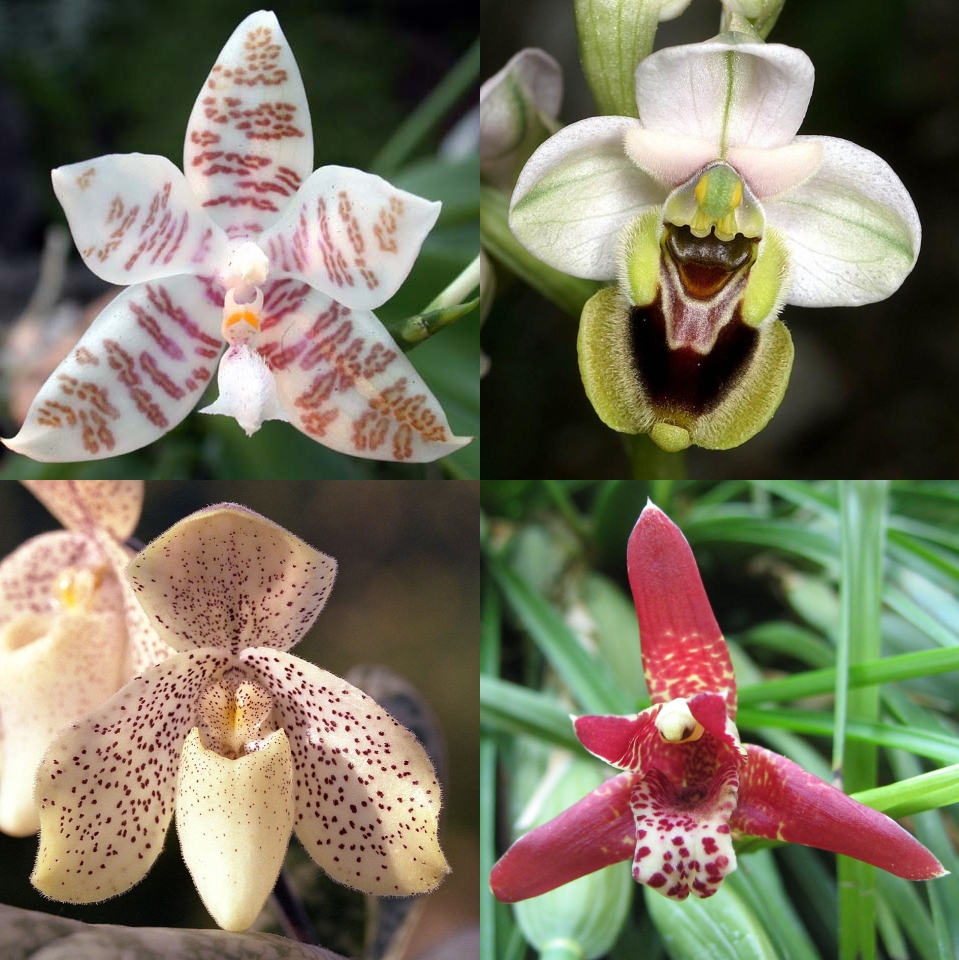 OrchidOrchidaceae
A vast family of colourful, often fragrant flowers found almost everywhere on earth
Orchidaceae · Wildflower
OrchidOrchidaceae
A vast family of colourful, often fragrant flowers found almost everywhere on earth
Orchidaceae · Wildflower
 Vanilla
Climbing orchids with pods used for the world’s most popular flavor
🇲🇽 Mexico and 7 more · Wildflower
Vanilla
Climbing orchids with pods used for the world’s most popular flavor
🇲🇽 Mexico and 7 more · Wildflower
 Orchis
A group of wild orchids with tuberous roots from Europe, North Africa and Asia
🇹🇷 Turkey and 7 more · Wildflower
Orchis
A group of wild orchids with tuberous roots from Europe, North Africa and Asia
🇹🇷 Turkey and 7 more · Wildflower
 Pansy orchidMiltoniopsis
An orchid with flowers that resemble garden pansies
🇨🇷 Costa Rica and 5 more · Orchid
Pansy orchidMiltoniopsis
An orchid with flowers that resemble garden pansies
🇨🇷 Costa Rica and 5 more · Orchid
More from Honduras
All the flowers of Honduras Monja blancaLycaste skinneri
Guatemala's national orchid, pure white and rare
🇬🇹 Guatemala and 3 more · Orchid
Pale laeliaLaelia rubescens
A pale-flowered orchid from Mexico and Central America
🇲🇽 Mexico and 7 more · Wildflower
Monja blancaLycaste skinneri
Guatemala's national orchid, pure white and rare
🇬🇹 Guatemala and 3 more · Orchid
Pale laeliaLaelia rubescens
A pale-flowered orchid from Mexico and Central America
🇲🇽 Mexico and 7 more · Wildflower
 Cockleshell orchidProsthechea cochleata
An orchid with shell-like flowers and a hooded lip
🇭🇳 Honduras and 3 more · Wildflower
Cockleshell orchidProsthechea cochleata
An orchid with shell-like flowers and a hooded lip
🇭🇳 Honduras and 3 more · Wildflower
 Fire star orchidEpidendrum radicans
A bright orange orchid that roots along its whole stem
🇲🇽 Mexico and 7 more · Orchid
Fire star orchidEpidendrum radicans
A bright orange orchid that roots along its whole stem
🇲🇽 Mexico and 7 more · Orchid