
Monja blanca
Lycaste skinneri, family Orchidaceae
In its own language: Sak Ijix
Guatemala's national orchid, pure white and rare
Monja blanca is an epiphytic orchid with triangular white or pink-tinged flowers, native to Central America. It grows on tree branches in cool, humid forests and is protected by law in Guatemala, where it symbolizes national pride.
- National flower of Guatemala since 1934
- Flowers from November to April, peaking in January–February
- Grows only as an epiphyte on trees in cool, humid forests
- Protected by law in Guatemala; collection and export banned
- Appears on Guatemala’s 50-cent coin
What does Monja blanca look like?
This orchid grows from thick pseudobulbs that send up long leaves. Its single, triangular blooms measure 10 to 15 cm across. The most famous form, 'alba', is entirely white, while others show soft pink or lavender tones. A mature plant may carry four to twelve flowers at once, each lasting six to eight weeks.
Where does Monja blanca come from?
Found from southern Mexico through Guatemala, El Salvador and Honduras, this orchid thrives around 1,650 meters above sea level. It lives on tree branches in misty forests where temperatures stay mild year-round. Though present across the region, it is most closely tied to Guatemala, where it has deep cultural roots.
When and how Monja blanca blooms
It flowers between November and April, peaking in late January and early February. The plant needs stable conditions: daytime warmth up to 27°C, nighttime cooling to 18°C, and humidity of 50–70%. Seed germination depends on a specific fungus, making natural reproduction difficult and wild plants scarce.

How Monja blanca is used
In Guatemala, it is the national flower, known as monja blanca or Sak Ijix. Revered since Maya times, it appears on the 50-cent coin. Since 1946, collecting or exporting any part of the plant has been illegal there to prevent extinction. Its striking white form is also valued in orchid breeding.
Kinds of Monja blanca
The species includes color forms from pure white (alba) to pink and lavender. The alba variety, called monja blanca in Guatemala, is the most celebrated and was key to its selection as a national symbol due to its clean, simple beauty.
What Monja blanca means
Declared Guatemala’s national flower in 1934 after experts endorsed its rarity and elegance, it gained legal protection in 1946. The ban on harvesting was later extended to all orchids in the country. Its image endures on currency and in national identity, reflecting both natural heritage and conservation concern.
Questions people ask about Monja blanca
Where does monja blanca come from?
It grows wild in southern Mexico, Guatemala, El Salvador and Honduras, mostly in humid mountain forests around 1,650 meters elevation.
Why is it important in Guatemala?
It is the national flower, chosen in 1934 for its beauty and rarity. It appears on coins and has been legally protected from collection since 1946.
What does the flower look like?
It has large, triangular blooms 10–15 cm wide. The best-known form is pure white, but others range from pink to lavender.
When does it bloom?
In its native habitat, it flowers from November to April, with the most blooms appearing in late January and early February.
Can it be grown or sold commercially?
In Guatemala, selling or collecting any part of the plant is illegal to protect it from extinction. Its seeds also need a special fungus to grow.
Good reading and sources
- Plants of the World OnlineRoyal Botanic Gardens, Kew, Plant database
- Where it has been recordedGBIF, Plant database
The facts on this page come from the Wikipedia article "Lycaste skinneri", written by its contributors and used under the CC BY-SA 4.0 licence, and from its Wikidata record (CC0). Phool rewrote the text in its own words, with AI assistance, and compares every page with the article to make sure no passage is copied. It may be reused under the same CC BY-SA 4.0 licence with a link back.
It may contain mistakes. It is not medical or foraging advice: many flowers are poisonous, and traditional uses are reported, not recommended. If something is wrong, tell us. Last refreshed 2026-10-03.
Others in the family Orchidaceae
The whole family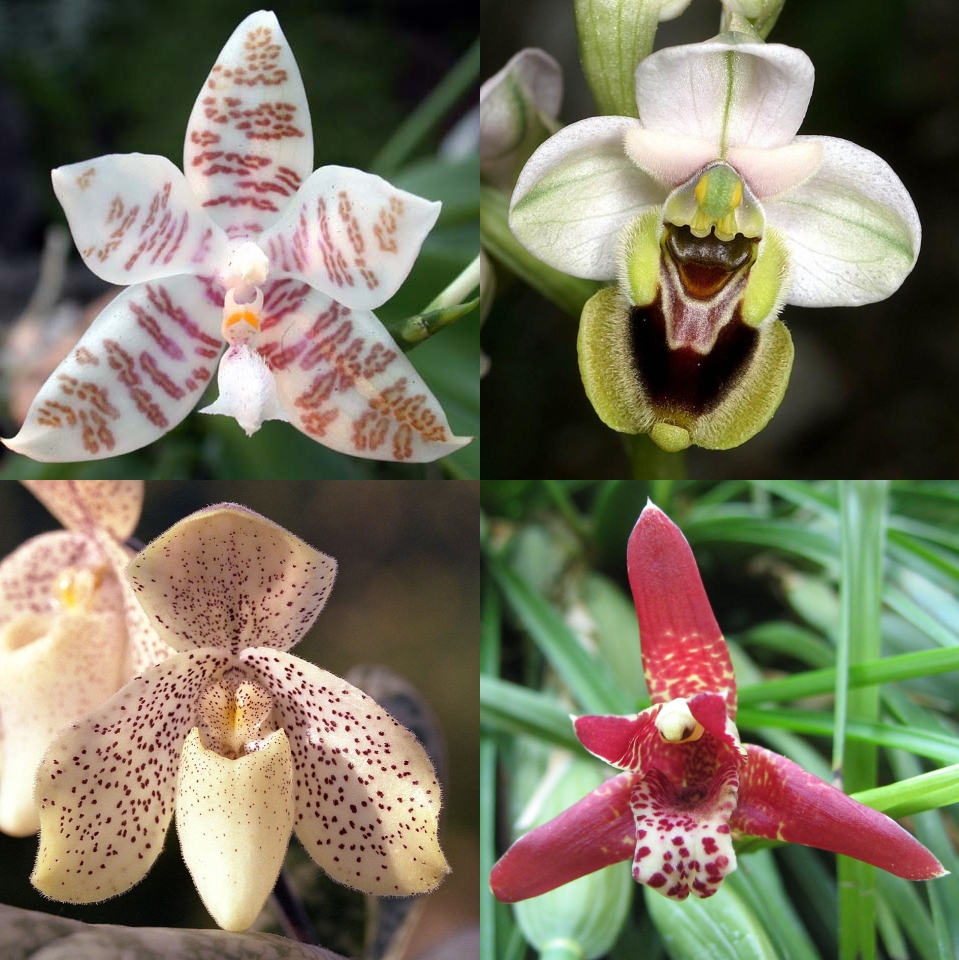 OrchidOrchidaceae
A vast family of colourful, often fragrant flowers found almost everywhere on earth
Orchidaceae · Wildflower
OrchidOrchidaceae
A vast family of colourful, often fragrant flowers found almost everywhere on earth
Orchidaceae · Wildflower
 Vanilla
Climbing orchids with pods used for the world’s most popular flavor
🇲🇽 Mexico and 7 more · Wildflower
Vanilla
Climbing orchids with pods used for the world’s most popular flavor
🇲🇽 Mexico and 7 more · Wildflower
 Orchis
A group of wild orchids with tuberous roots from Europe, North Africa and Asia
🇹🇷 Turkey and 7 more · Wildflower
Orchis
A group of wild orchids with tuberous roots from Europe, North Africa and Asia
🇹🇷 Turkey and 7 more · Wildflower
 Pansy orchidMiltoniopsis
An orchid with flowers that resemble garden pansies
🇨🇷 Costa Rica and 5 more · Orchid
Pansy orchidMiltoniopsis
An orchid with flowers that resemble garden pansies
🇨🇷 Costa Rica and 5 more · Orchid
More from Guatemala
All the flowers of Guatemala PoinsettiaEuphorbia pulcherrima
The red-bracted shrub of Christmas displays, native to Mexico and Central America
🇲🇽 Mexico and 8 more · Wildflower
PoinsettiaEuphorbia pulcherrima
The red-bracted shrub of Christmas displays, native to Mexico and Central America
🇲🇽 Mexico and 8 more · Wildflower
 Marvel of PeruMirabilis jalapa
Evening-blooming garden flower with many colours on one plant
🇲🇽 Mexico and 6 more · Garden flower
Marvel of PeruMirabilis jalapa
Evening-blooming garden flower with many colours on one plant
🇲🇽 Mexico and 6 more · Garden flower
 Globe amaranthGomphrena globosa
A round-flowered annual grown for its lasting, colorful blooms
🇬🇹 Guatemala and 4 more · Wildflower
Globe amaranthGomphrena globosa
A round-flowered annual grown for its lasting, colorful blooms
🇬🇹 Guatemala and 4 more · Wildflower
 Scarlet runner beanPhaseolus coccineus
A climbing bean with bright red flowers and edible pods and seeds
🇲🇽 Mexico and 7 more · Wildflower
Scarlet runner beanPhaseolus coccineus
A climbing bean with bright red flowers and edible pods and seeds
🇲🇽 Mexico and 7 more · Wildflower