
Confederate jasmine
Trachelospermum jasminoides, family Apocynaceae
A fragrant climbing vine with star-shaped white flowers from East and Southeast Asia
Confederate jasmine is an evergreen vine from southern and eastern Asia, known for its white, scented flowers. Grown widely as a garden climber or groundcover, it is valued for its perfume and use in incense, and its glossy leaves that turn bronze in winter.
- Native to China, Japan, Korea, and Vietnam
- Produces star-shaped, white, strongly scented flowers
- Widely grown as a garden climber and groundcover
- Flowers are used for perfume oil and incense
- Leaves turn bronze in winter
What does Confederate jasmine look like?
Confederate jasmine is a woody, evergreen vine that can reach up to 3 meters in height. Its leaves are glossy, dark green in summer and turn bronze in winter, with an oval to lance shape. The plant produces clusters of white, star-shaped flowers with a strong sweet scent, each about 1–2 centimeters across. The stems release a milky sap if cut, and the plant climbs by twining around supports or sending out small roots on damp surfaces.
Where does Confederate jasmine come from?
This vine is native to regions of eastern and southeastern Asia, including southern China, Japan, Korea, and Vietnam. It has been introduced to many other places for ornamental use, especially in the southern United States. The name 'confederate jasmine' is linked to its popularity in the American South, while 'trader's compass' refers to an Uzbek saying about its flowers guiding honest traders.
When and how Confederate jasmine blooms
Confederate jasmine blooms from spring into early summer. It grows best in well-drained soil and can handle sun or shade. Gardeners often train it up trellises, fences, or walls, or let it spread as groundcover. Propagation is usually done by taking cuttings. The plant is suited to mild climates and is often grown outdoors in areas with warm winters.


How Confederate jasmine is used
People grow this vine mainly for its attractive, fragrant flowers, which are used in gardens, parks, and as potted plants on patios. The flowers are distilled or tinctured to make perfume oils, and are also used in incense in China, Vietnam, and Thailand. The stems can be processed to make a type of fiber.
Kinds of Confederate jasmine
A notable cultivated variety is 'Variegatum', which has leaves marked with white or cream. The plant is sometimes confused with other jasmines, but it belongs to a different family. Its star-shaped flowers and glossy leaves set it apart from true jasmines.
What Confederate jasmine means
Confederate jasmine is widely grown for its beauty and scent. In Asia, its flowers are used in incense, while in the West it is a popular garden plant. The plant has gathered several names in different regions, reflecting its spread and cultural connections. It is not a national or state flower, but is valued for its ornamental and aromatic qualities.
Questions people ask about Confederate jasmine
Where does Confederate jasmine come from?
Confederate jasmine is native to eastern and southeastern Asia, including southern China, Japan, Korea, and Vietnam. It is also widely grown in gardens in other regions, especially the southern United States.
What does Confederate jasmine look like?
It is an evergreen vine with glossy, dark green leaves that turn bronze in winter. The plant produces clusters of small, white, star-shaped flowers with a strong sweet fragrance.
How is Confederate jasmine used?
The plant is grown for its attractive appearance and scent. Its flowers are used to make perfume oil and are included in incense in several Asian countries. The vine is also planted as a climber or groundcover in gardens and parks.
Does Confederate jasmine have any special meaning or symbolism?
The plant is not a national or state emblem, but its names reflect its popularity in different regions. In Uzbekistan, a saying links it to guiding honest traders, and in the United States, its name refers to its use in the South.
Is Confederate jasmine related to true jasmine?
Although it is called jasmine, Confederate jasmine belongs to the Apocynaceae family, not the true jasmine family. Its flowers resemble those of jasmine, but it is botanically different.
Good reading and sources
- Trachelospermum jasminoidesRoyal Horticultural Society, Article
- USDA Plants DatabaseUS Department of Agriculture, Article
- Plants of the World OnlineRoyal Botanic Gardens, Kew, Plant database
- Where it has been recordedGBIF, Plant database
- Sightings and photos by naturalistsiNaturalist, Plant database
- Trachelospermum jasminoides on WikipediaEncyclopedia
- More photos on Wikimedia CommonsPhotos
- Wikidata recordOpen data
The facts on this page come from the Wikipedia article "Trachelospermum jasminoides", written by its contributors and used under the CC BY-SA 4.0 licence, and from its Wikidata record (CC0). Phool rewrote the text in its own words, with AI assistance, and compares every page with the article to make sure no passage is copied. It may be reused under the same CC BY-SA 4.0 licence with a link back.
It may contain mistakes. It is not medical or foraging advice: many flowers are poisonous, and traditional uses are reported, not recommended. If something is wrong, tell us. Last refreshed 2026-10-03.
Others in the family Apocynaceae
The whole family OleanderNerium oleander
A showy, evergreen shrub with clusters of pink, white or red flowers
🇲🇦 Morocco and 8 more · Flowering shrub
OleanderNerium oleander
A showy, evergreen shrub with clusters of pink, white or red flowers
🇲🇦 Morocco and 8 more · Flowering shrub
 Plumeria
Fragrant tropical tree with waxy, five-petaled flowers in many colours
🇲🇽 Mexico and 6 more · Flowering tree
Plumeria
Fragrant tropical tree with waxy, five-petaled flowers in many colours
🇲🇽 Mexico and 6 more · Flowering tree
 Mandevilla
A tropical vine with large trumpet-shaped blooms in vivid colours
🇧🇷 Brazil and 2 more · Climber
Mandevilla
A tropical vine with large trumpet-shaped blooms in vivid colours
🇧🇷 Brazil and 2 more · Climber
 Pinwheel flowerTabernaemontana divaricata
A fragrant white-flowered shrub native to South and Southeast Asia
🇲🇲 Myanmar and 2 more · Flowering shrub
Pinwheel flowerTabernaemontana divaricata
A fragrant white-flowered shrub native to South and Southeast Asia
🇲🇲 Myanmar and 2 more · Flowering shrub
More from China
All the flowers of China PeachPrunus persica
A flowering fruit tree from China, grown for its pink blossoms and sweet fruit
🇨🇳 China and 7 more · Flowering tree
PeachPrunus persica
A flowering fruit tree from China, grown for its pink blossoms and sweet fruit
🇨🇳 China and 7 more · Flowering tree
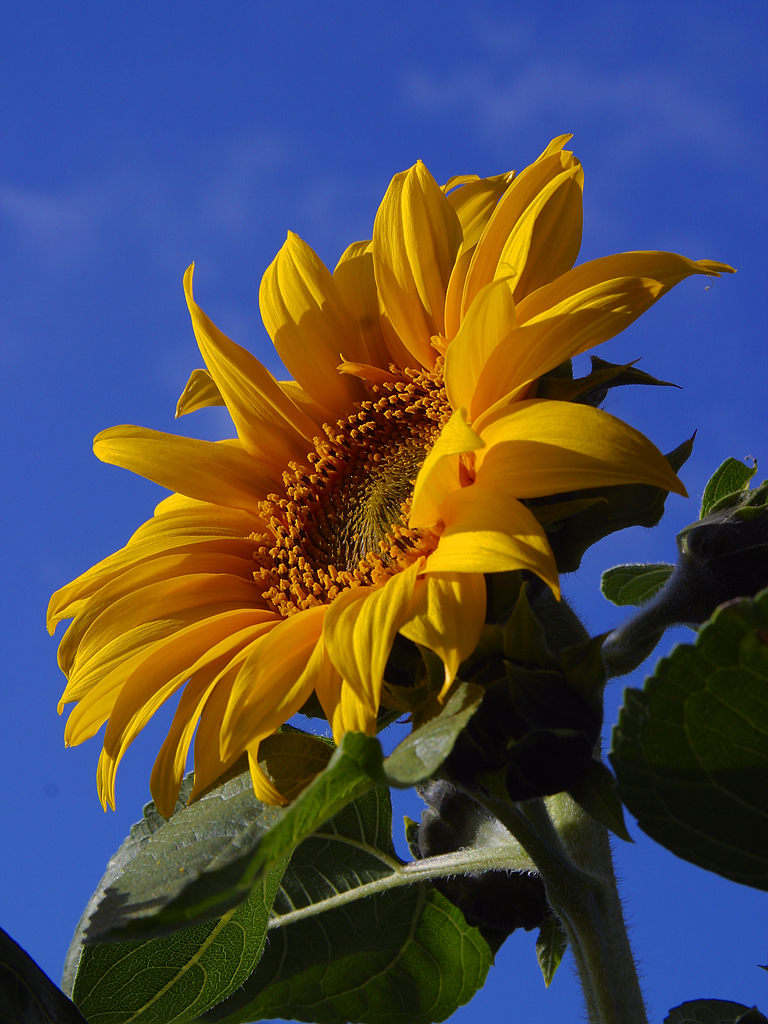 Common sunflowerHelianthus annuus
A tall annual plant grown for its large yellow flower heads and edible seeds
🇨🇦 Canada and 4 more · Wildflower
Common sunflowerHelianthus annuus
A tall annual plant grown for its large yellow flower heads and edible seeds
🇨🇦 Canada and 4 more · Wildflower
 PomegranatePunica granatum
A shrub with bright red flowers and a fruit full of edible seeds
🇮🇷 Iran and 9 more · Flowering shrub
PomegranatePunica granatum
A shrub with bright red flowers and a fruit full of edible seeds
🇮🇷 Iran and 9 more · Flowering shrub
 ApricotPrunus armeniaca
A small fruit tree with early white to pink blossoms and golden-orange fruit
🇨🇳 China and 6 more · Flowering tree
ApricotPrunus armeniaca
A small fruit tree with early white to pink blossoms and golden-orange fruit
🇨🇳 China and 6 more · Flowering tree