
Water caltrop
Trapa natans, family Lythraceae
In its own language: सिंघाड़ा
A floating freshwater plant with horned edible nuts and small pale flowers
Water caltrop is an annual floating aquatic plant native to warm temperate regions of Eurasia and Africa. It forms floating rosettes of toothed leaves with small white or pink flowers, producing spiky edible nuts that have been harvested for thousands of years.
- Cultivated in China and the Indian subcontinent for its edible nut for more than 3,000 years.
- The name and three-rhombus crest of Mitsubishi come from the Japanese word for water caltrop.
- Feudal Japanese warriors used the sharp, barbed nuts as natural foot traps against pursuers.
- Ground into singhare ka atta flour for traditional Hindu fasting diets during Navratri.
What does Water caltrop look like?
Trapa natans is a freshwater annual plant that roots in soft mud up to five metres deep. Long underwater stems support spreading rosettes of floating leaves that span up to fifty centimetres across. These surface leaves are diamond-shaped with saw-toothed edges, riding on swollen leaf stalks. Its small solitary flowers emerge at the surface, each carrying four white to pale pink petals, four green sepals, four stamens, and a single pistil. After self-pollination or insect visits, the sepals harden into a distinctively horned nut armed with two to four sharp, barbed spines. Each nut contains a single large edible seed rich in starch.
Where does Water caltrop come from?
The plant is indigenous to warm temperate wetlands across Eurasia and Africa, thriving in sunny, nutrient-rich still waters. Carl Linnaeus named the species in 1753, drawing the genus name Trapa from a late Latin word for the iron caltrop weapon, while natans means swimming or floating. Fossil leaves dating back to the Cretaceous period in Alaska and seeds from the Eocene era across several continents show an ancient lineage. Humans in southern Germany gathered the nuts in prehistoric times during grain failures, while farmers in China and India have cultivated water caltrop for over three millennia.
When and how Water caltrop blooms
Water caltrop grows from seeds resting in muddy bottoms of slow-moving streams, lakes, and oxbows. It needs warm water above twenty-two degrees Celsius for at least two months each year to complete its cycle. The plant develops rapidly, sending stems toward the sunlight and expanding leaf canopies that can block ninety-five percent of light from penetrating below. The blossoms fertilise mostly by selfing and yield heavy spiky nuts that sink to the sediment or drift across waterways. Animals such as waterfowl and passing mammals help spread the barbed seeds to new pools.


How Water caltrop is used
People harvest the large nuts to eat either raw, boiled, or roasted like sweet chestnuts. In India and Pakistan, where the crop is called singhara, dried kernels are ground into a fine flour known as singhare ka atta. This starch serves as an essential permissible ingredient during religious fasting periods. In earlier centuries, roasted nuts were commonly sold in European street markets. In addition to food, feudal Japanese warriors utilized the hardened, spiky pods as natural spikes scattered on the ground to slow pursuers.
Kinds of Water caltrop
Botanists recognize several varieties across its broad geographic range. These include variety africana in East Africa, variety japonica across Korea and Japan, and variety bispinosa in South and East Asia, which bears two spines instead of four. Varieties such as quadrispinosa, quadricaudata, and magnicorona are distributed throughout eastern Asia and the Russian Far East. The standard form, variety natans, ranges across Eurasia and has become established as an invasive weed in parts of North America.
What Water caltrop means
Water caltrop holds ancient ceremonial significance. During the Chinese Zhou dynasty, dried nuts were placed in woven bamboo baskets as official ritual offerings. In Hindu practice, the flour is eaten during the Navratri festival when cereal grains are avoided. The plant also inspired modern emblems and words: the Japanese conglomerate Mitsubishi derived both its three-diamond crest and its name from the water caltrop leaf, while the triangular Bengali pastry known as shingara takes its name directly from the horned shape of the nut.
Questions people ask about Water caltrop
Where does water caltrop come from?
Water caltrop is native to slow-moving freshwaters across warm temperate regions of Eurasia and Africa. It has also been introduced to North America.
How is water caltrop used as food?
The horned nuts can be eaten raw, boiled, or roasted. In South Asia, the dried seeds are milled into a gluten-free flour used in fasting foods during religious observances.
Why is it named after a caltrop weapon?
The botanical name Trapa comes from the Latin word for a caltrop because the seed pods grow sharp, rigid spines. Japanese warriors even used dried nuts as makeshift ground spikes.
What cultural symbols are linked to water caltrop?
The three-diamond emblem of Mitsubishi represents the plant's leaves, and the Bengali samosa called shingara gets its name from the triangular, horned shape of the nut.
Good reading and sources
- Encyclopaedia BritannicaArticle
- USDA Plants DatabaseUS Department of Agriculture, Article
- IUCN Red List of Threatened SpeciesIUCN Red List, Article
- Plants of the World OnlineRoyal Botanic Gardens, Kew, Plant database
- Where it has been recordedGBIF, Plant database
- Sightings and photos by naturalistsiNaturalist, Plant database
- Water caltrop on WikipediaEncyclopedia
- More photos on Wikimedia CommonsPhotos
- Wikidata recordOpen data
The facts on this page come from the Wikipedia article "Water caltrop", written by its contributors and used under the CC BY-SA 4.0 licence, and from its Wikidata record (CC0). EveryPhool rewrote the text in its own words, with AI assistance, and compares every page with the article to make sure no passage is copied. It may be reused under the same CC BY-SA 4.0 licence with a link back.
It may contain mistakes. It is not medical or foraging advice: many flowers are poisonous, and traditional uses are reported, not recommended. If something is wrong, tell us. Last refreshed 2026-10-04.
Others in the family Lythraceae
The whole family PomegranatePunica granatum
A shrub with bright red flowers and a fruit full of edible seeds
🇮🇷 Iran and 9 more · Flowering shrub
PomegranatePunica granatum
A shrub with bright red flowers and a fruit full of edible seeds
🇮🇷 Iran and 9 more · Flowering shrub
 HennaLawsonia inermis
Shrub whose leaves yield the dye henna for skin, hair, and fabric
Lawsonia inermis · Wildflower
HennaLawsonia inermis
Shrub whose leaves yield the dye henna for skin, hair, and fabric
Lawsonia inermis · Wildflower
 Pride of IndiaLagerstroemia speciosa
A tree with showy pink to purple flowers, grown across South and Southeast Asia
🇮🇳 India and 6 more · Flowering tree
Pride of IndiaLagerstroemia speciosa
A tree with showy pink to purple flowers, grown across South and Southeast Asia
🇮🇳 India and 6 more · Flowering tree
 Crape myrtleLagerstroemia indica
A summer-flowering tree with crinkled blooms in white, pink, purple or red
🇨🇳 China and 7 more · Flowering tree
Crape myrtleLagerstroemia indica
A summer-flowering tree with crinkled blooms in white, pink, purple or red
🇨🇳 China and 7 more · Flowering tree
More from China
All the flowers of China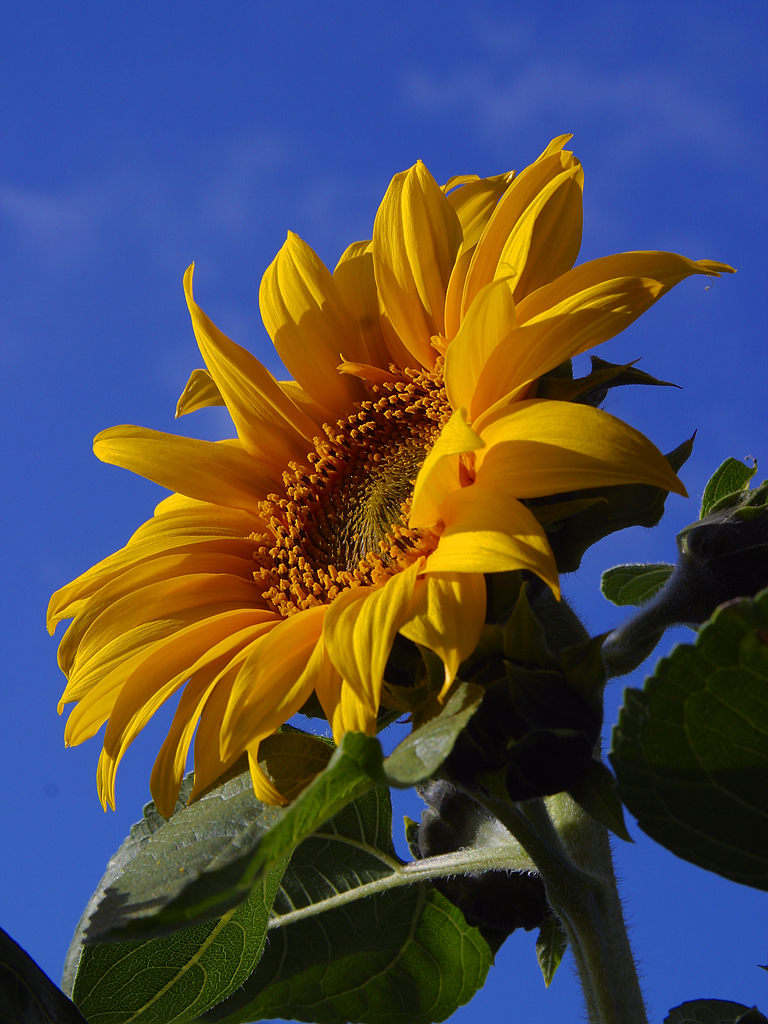 Common sunflowerHelianthus annuus
A tall annual plant grown for its large yellow flower heads and edible seeds
🇨🇦 Canada and 4 more · Wildflower
Common sunflowerHelianthus annuus
A tall annual plant grown for its large yellow flower heads and edible seeds
🇨🇦 Canada and 4 more · Wildflower
 BirchBetula
Slender trees with papery bark found across the northern world
🇨🇳 China and 7 more · Wildflower
BirchBetula
Slender trees with papery bark found across the northern world
🇨🇳 China and 7 more · Wildflower
 FennelFoeniculum vulgare
A tall, aromatic herb with feathery leaves and yellow umbels, used for food and spice
🇨🇳 China and 7 more · Herb or useful flower
FennelFoeniculum vulgare
A tall, aromatic herb with feathery leaves and yellow umbels, used for food and spice
🇨🇳 China and 7 more · Herb or useful flower
 RosemarySalvia rosmarinus
A fragrant evergreen shrub with needle-like leaves and purple, blue, or white flowers
🇪🇸 Spain and 5 more · Flowering shrub
RosemarySalvia rosmarinus
A fragrant evergreen shrub with needle-like leaves and purple, blue, or white flowers
🇪🇸 Spain and 5 more · Flowering shrub