
Abkhazi Garden
A one-acre garden in Victoria, British Columbia, created by Prince and Princess Abkhazi
Abkhazi Garden is a small botanical garden in Victoria, British Columbia, started in 1946 by Prince Nicolas and Princess Marjorie Abkhazi. Winding stone and gravel paths lead under mature rhododendrons, with smaller shade plants below, and a tea house and gift shop at its centre.
- Created in 1946 by Prince and Princess Abkhazi
- Features mature rhododendrons grown to tree size
- Includes a tea house and gift shop at its centre
- Managed by The Land Conservancy of British Columbia
- Known as 'the garden that love built'
What is Abkhazi Garden?
Abkhazi Garden covers about one acre and is laid out with winding gravel and stone paths. The main feature is its large rhododendron plants, some grown to the size of trees, which provide a canopy over the garden. Beneath these, visitors find smaller flowers, ferns, and other plants that thrive in shade. At the centre of the garden stands a tea house and a gift shop, offering a place to rest and enjoy the view.
The history of Abkhazi Garden
The garden was created in 1946 by Prince Nicolas Abkhazi and Princess Marjorie Abkhazi after they settled in Victoria, British Columbia. Both had lived through upheaval during World War Two before reuniting and moving to Canada. Over the decades, they developed the garden on their property on Fairfield Road. After their deaths, The Land Conservancy of British Columbia bought the garden to preserve it and share the Abkhazis’ story.
What there is to see
The garden was developed gradually by the Abkhazis, who planted and tended the rhododendrons and other shade-loving plants. Paths were laid out with crushed gravel and stone, winding through the mature plantings. The tea house and gift shop were added in the centre, making the garden a place for visitors to walk, relax, and learn about its history.

When to go
Abkhazi Garden is open to visitors, who can walk the paths, enjoy the flowers and plants, and visit the tea house and gift shop. The garden asks for a suggested donation for entry. It is managed as a memorial to the Abkhazis and their story, with efforts to protect its heritage status and ensure its future as a public garden.
Why Abkhazi Garden matters
The garden is closely tied to the story of Prince and Princess Abkhazi, who created it as a personal retreat after lives marked by war and separation. It is sometimes called 'the garden that love built.' The site has been the focus of heritage protection efforts in Victoria, and is preserved to share the Abkhazis’ legacy with visitors.
The flowers of Abkhazi Garden
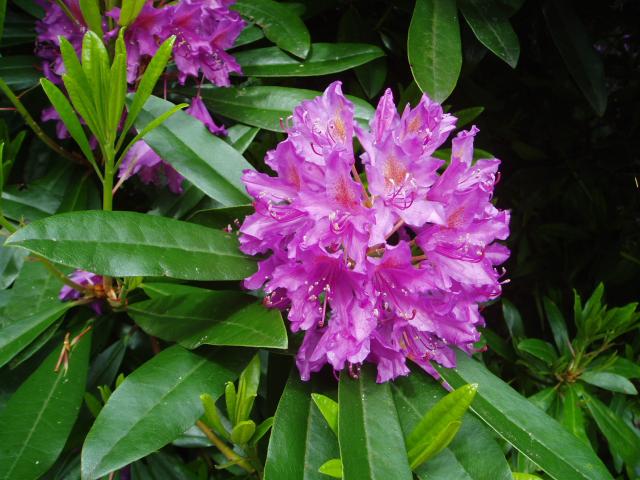 RhododendronA vast group of shrubs and trees with showy blooms in many colours
 Common rhododendronA dense evergreen shrub with violet-purple flowers from Europe and the Caucasus
 Rhododendron aureumA low evergreen shrub with pale yellow spring flowers from northeastern Asia
 Rhododendron molleA yellow-flowered deciduous azalea from China and Japan
 Rhododendron simsiiA shrub from East Asia with flowers in shades from white to deep red
 Rhododendron kaempferiA Japanese semi-evergreen azalea with many colourful forms
 Rhododendron kesangiaeA tall rhododendron tree with rose pink flowers, found only in Bhutan
 Rhododendron faurieiA rhododendron with pale red to white flowers from Japan and Korea
Questions people ask about Abkhazi Garden
Where is Abkhazi Garden located?
Abkhazi Garden is in Victoria, British Columbia, on Vancouver Island, Canada. It is situated on Fairfield Road and is open to visitors.
Who created Abkhazi Garden?
The garden was created by Prince Nicolas Abkhazi and Princess Marjorie Abkhazi, who began developing it in 1946 after settling in Victoria following World War Two.
What can visitors see at Abkhazi Garden?
Visitors can walk along winding gravel and stone paths under large rhododendrons, see smaller shade plants and ferns, and visit a tea house and gift shop in the centre of the garden.
Why is Abkhazi Garden called 'the garden that love built'?
The garden is known by this name because it was created by the Abkhazis as a personal retreat after their reunion following years of separation during war, reflecting their shared story.
How is Abkhazi Garden protected today?
The Land Conservancy of British Columbia owns and manages the garden, working to preserve it as a heritage site and share the story of the Abkhazis with the public.
Good reading and sources
The facts on this page come from the Wikipedia article "Abkhazi Garden", written by its contributors and used under the CC BY-SA 4.0 licence, and from its Wikidata record (CC0). Phool rewrote the text in its own words, with AI assistance, and compares every page with the article to make sure no passage is copied. It may be reused under the same CC BY-SA 4.0 licence with a link back.
It may contain mistakes. Opening times, prices and bloom dates change: check with the place before you travel. If something is wrong, tell us. Last refreshed 2026-10-03.
More of the same kind
 Place
Tropical Botanical Garden and Research Institute
A major botanical garden and research centre in Thiruvananthapuram, Kerala
Thiruvananthapuram, 🇮🇳 India · Botanical garden
Place
Tropical Botanical Garden and Research Institute
A major botanical garden and research centre in Thiruvananthapuram, Kerala
Thiruvananthapuram, 🇮🇳 India · Botanical garden
 Place
Baldha Gardenবলধা গার্ডেন
A historic botanical garden in Old Dhaka with hundreds of plant species
Dhaka, 🇧🇩 Bangladesh · Botanical garden
Place
Baldha Gardenবলধা গার্ডেন
A historic botanical garden in Old Dhaka with hundreds of plant species
Dhaka, 🇧🇩 Bangladesh · Botanical garden
 Place
Hakone Botanical Garden of Wetlands箱根湿生花園
A garden of wetland and alpine plants in Hakone, Japan
Hakone, 🇯🇵 Japan · Botanical garden
Place
Hakone Botanical Garden of Wetlands箱根湿生花園
A garden of wetland and alpine plants in Hakone, Japan
Hakone, 🇯🇵 Japan · Botanical garden
 Place
Sim's Park, Coonoor
A century-old botanical garden in the Nilgiri hills of Tamil Nadu
Coonoor, 🇮🇳 India · Botanical garden, May
Place
Sim's Park, Coonoor
A century-old botanical garden in the Nilgiri hills of Tamil Nadu
Coonoor, 🇮🇳 India · Botanical garden, May
More from Canada
All the flowers of Canada Place
Dominion ArboretumArboretum du Dominion
A public arboretum with diverse trees and gardens in Ottawa, Canada
Ottawa, 🇨🇦 Canada · Botanical garden
Place
Dominion ArboretumArboretum du Dominion
A public arboretum with diverse trees and gardens in Ottawa, Canada
Ottawa, 🇨🇦 Canada · Botanical garden
 Place
Allan Gardens
A historic Toronto park with a large public conservatory and six greenhouses
Toronto, 🇨🇦 Canada · Botanical garden
Place
Allan Gardens
A historic Toronto park with a large public conservatory and six greenhouses
Toronto, 🇨🇦 Canada · Botanical garden
 Place
Dr. Sun Yat-Sen Classical Chinese Garden中山公園
A traditional Chinese garden in Vancouver’s Chinatown
Vancouver, 🇨🇦 Canada · Flower garden
Place
Dr. Sun Yat-Sen Classical Chinese Garden中山公園
A traditional Chinese garden in Vancouver’s Chinatown
Vancouver, 🇨🇦 Canada · Flower garden
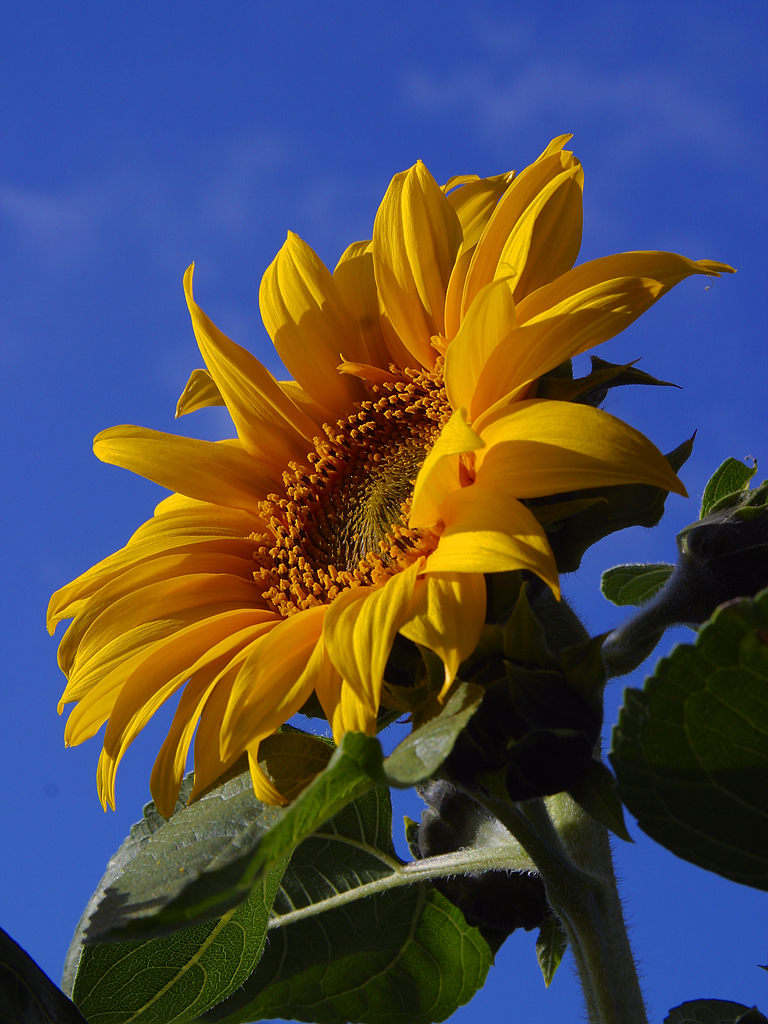 Common sunflowerHelianthus annuus
A tall annual plant grown for its large yellow flower heads and edible seeds
🇨🇦 Canada and 4 more · Wildflower
Common sunflowerHelianthus annuus
A tall annual plant grown for its large yellow flower heads and edible seeds
🇨🇦 Canada and 4 more · Wildflower