
Lost Gardens of Heligan
In its own language: Lowarth Helygen
Restored 19th-century gardens with subtropical and formal plantings in Cornwall, England
The Lost Gardens of Heligan are historic gardens near Mevagissey in Cornwall, England, known for their 19th-century Gardenesque style and diverse plantings. Once neglected after World War I, they were restored in the 1990s and now feature aged rhododendrons, camellias, a subtropical 'Jungle', productive kitchen gardens, and unique features like Europe's only pineapple pit.
- Features Europe's only working pineapple pit heated by manure
- Home to the Mud Maid and Giant's Head plant sculptures
- Restored after decades of neglect in the 1990s
- Includes a subtropical 'Jungle' with tree ferns
- Listed Grade II on the Register of Parks and Gardens
What is Lost Gardens of Heligan?
The Lost Gardens of Heligan cover a large area surrounding Heligan House in Cornwall. Visitors find a mix of formal flower and vegetable gardens, aged rhododendrons and camellias, lakes, and a subtropical section called 'The Jungle' filled with tree ferns. There are also unique features such as the Italian Garden, Europe's only pineapple pit heated by manure, and plant sculptures like the Mud Maid and the Giant's Head. The gardens are known for their varied design styles and wild, valley landscapes.
The history of Lost Gardens of Heligan
The Heligan estate was bought by the Tremayne family in the 16th century. The gardens as seen today were developed mainly from the mid-18th to early 20th centuries by four generations of the Tremayne family. After World War I, the gardens fell into neglect due to loss of staff and changing ownership. In the 1990s, a group led by John Willis and Tim Smit began restoring the gardens, bringing them back into public view and revitalizing the local area. The gardens are now listed as Grade II by Historic England.
What there is to see
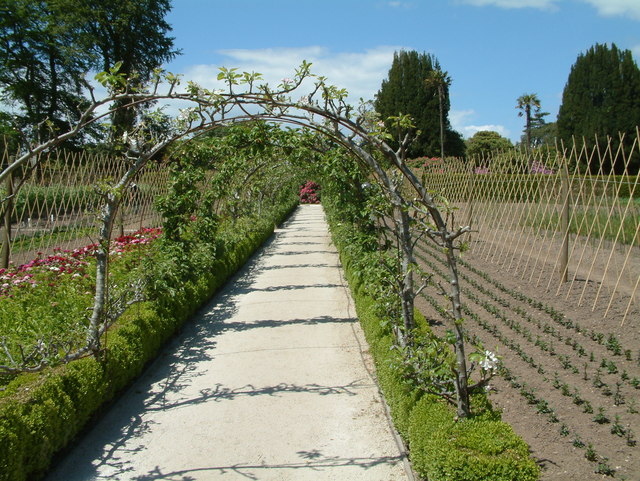
The gardens are arranged in several sections. The northern part has the main ornamental and vegetable gardens, sloping gently down to Heligan House. To the west, south, and east, the land drops steeply into valleys with wilder plantings, including the Jungle and Lost Valley. Notable features include the Italian Garden, lakes fed by a historic ram pump, and the pineapple pit. The gardens are maintained by a dedicated team and are open to visitors.



When to go
The Lost Gardens of Heligan are open to the public as a visitor attraction. People come to walk through the various gardens, see rare and historic plants, and enjoy the landscape. The site also supports the local economy by providing employment. The gardens are featured in books and television programmes, and are a popular destination for garden lovers and tourists.
Parts and collections
Within Heligan, different areas show distinct styles. The Jungle is known for its subtropical plants and tree ferns. The Italian Garden reflects the influence of Jack Tremayne’s time in Italy. The gardens also include productive kitchen gardens, ornamental flower beds, and unique living sculptures. Each section offers a different experience and plant selection.
Why Lost Gardens of Heligan matters
Heligan is considered one of the most popular gardens in the UK and is noted for its restoration story. The gardens are an example of 19th-century Gardenesque design and are listed on the Register of Parks and Gardens. Their revival has been the subject of several television series and books, and they are seen as a symbol of heritage conservation and community renewal in Cornwall.
The flowers of Lost Gardens of Heligan
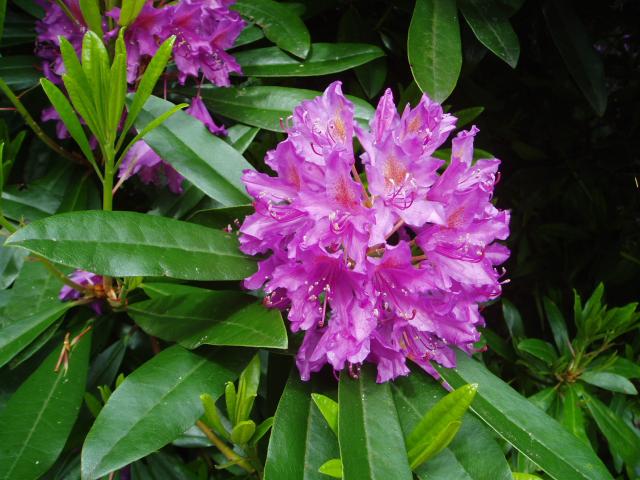 RhododendronA vast group of shrubs and trees with showy blooms in many colours
 CamelliaEvergreen shrubs and trees with showy blooms, best known for tea and garden flowers
 Camellia reticulataTall pink-flowered camellia from Yunnan, grown for gardens and tea oil
 Common rhododendronA dense evergreen shrub with violet-purple flowers from Europe and the Caucasus
 Camellia amplexicaulisA pink-flowered camellia tree once found in Vietnam’s forests
 Rhododendron aureumA low evergreen shrub with pale yellow spring flowers from northeastern Asia
 Hong Kong CamelliaA rare camellia tree from Hong Kong with red flowers
 Rhododendron molleA yellow-flowered deciduous azalea from China and Japan
Questions people ask about Lost Gardens of Heligan
Where are the Lost Gardens of Heligan located?
The Lost Gardens of Heligan are near Mevagissey in Cornwall, England, surrounding Heligan House. They are about 6 miles from St Austell and sit above the fishing village of Mevagissey.
What can visitors see at Heligan?
Visitors can explore formal flower and vegetable gardens, aged rhododendrons and camellias, a subtropical Jungle with tree ferns, lakes, the Italian Garden, Europe's only pineapple pit, and unique plant sculptures like the Mud Maid and Giant's Head.
How did the gardens become 'lost'?
After World War I, the gardens were neglected due to the loss of staff and changes in ownership. They became overgrown and forgotten until a restoration began in the 1990s.
What is special about the pineapple pit?
Heligan has Europe's only remaining working pineapple pit, which uses rotting manure to create heat for growing pineapples in the British climate.
Are the gardens historically significant?
Yes, the Lost Gardens of Heligan are an example of 19th-century Gardenesque style and are listed as Grade II on the Register of Parks and Gardens for their historic importance.
Good reading and sources
- Official websiteOfficial site
- BBC Two - Natural World, 2011-2012, Heligan: Secrets of the Lost GardenBBC, Article
- Lost Gardens of Heligan on WikipediaEncyclopedia
- More photos on Wikimedia CommonsPhotos
- Wikidata recordOpen data
The facts on this page come from the Wikipedia article "Lost Gardens of Heligan", written by its contributors and used under the CC BY-SA 4.0 licence, and from its Wikidata record (CC0). Phool rewrote the text in its own words, with AI assistance, and compares every page with the article to make sure no passage is copied. It may be reused under the same CC BY-SA 4.0 licence with a link back.
It may contain mistakes. Opening times, prices and bloom dates change: check with the place before you travel. If something is wrong, tell us. Last refreshed 2026-10-03.
More of the same kind
 Place
Tropical Botanical Garden and Research Institute
A major botanical garden and research centre in Thiruvananthapuram, Kerala
Thiruvananthapuram, 🇮🇳 India · Botanical garden
Place
Tropical Botanical Garden and Research Institute
A major botanical garden and research centre in Thiruvananthapuram, Kerala
Thiruvananthapuram, 🇮🇳 India · Botanical garden
 Place
Baldha Gardenবলধা গার্ডেন
A historic botanical garden in Old Dhaka with hundreds of plant species
Dhaka, 🇧🇩 Bangladesh · Botanical garden
Place
Baldha Gardenবলধা গার্ডেন
A historic botanical garden in Old Dhaka with hundreds of plant species
Dhaka, 🇧🇩 Bangladesh · Botanical garden
 Place
Hakone Botanical Garden of Wetlands箱根湿生花園
A garden of wetland and alpine plants in Hakone, Japan
Hakone, 🇯🇵 Japan · Botanical garden
Place
Hakone Botanical Garden of Wetlands箱根湿生花園
A garden of wetland and alpine plants in Hakone, Japan
Hakone, 🇯🇵 Japan · Botanical garden
 Place
Sim's Park, Coonoor
A century-old botanical garden in the Nilgiri hills of Tamil Nadu
Coonoor, 🇮🇳 India · Botanical garden, May
Place
Sim's Park, Coonoor
A century-old botanical garden in the Nilgiri hills of Tamil Nadu
Coonoor, 🇮🇳 India · Botanical garden, May
More from the United Kingdom
All the flowers of the United Kingdom Place
Royal Botanic Gardens, Kew
London’s world-renowned botanical gardens and plant science centre
Kew, 🇬🇧 United Kingdom · Botanical garden
Place
Royal Botanic Gardens, Kew
London’s world-renowned botanical gardens and plant science centre
Kew, 🇬🇧 United Kingdom · Botanical garden
 Place
RHS Garden Wisley
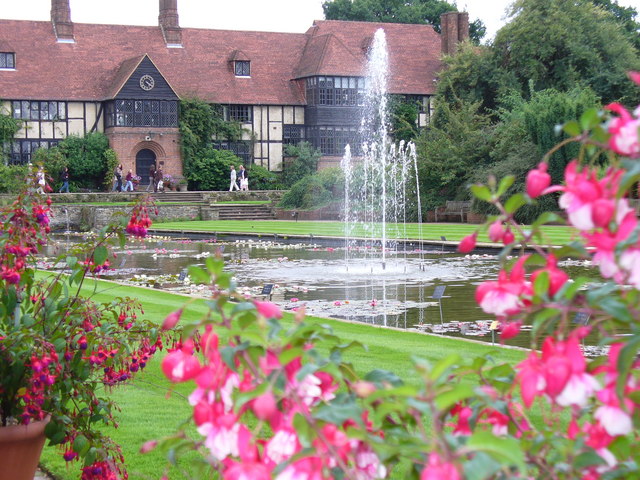
A major English garden with glasshouses, borders and plant trials in Surrey
Wisley, 🇬🇧 United Kingdom · Botanical garden
Place
RHS Garden Wisley
A major English garden with glasshouses, borders and plant trials in Surrey
Wisley, 🇬🇧 United Kingdom · Botanical garden
 Place
Hestercombe House
Historic house and gardens in Somerset with Georgian, Victorian, and Edwardian designs
Cheddon Fitzpaine, 🇬🇧 United Kingdom · Flower garden
Place
Hestercombe House
Historic house and gardens in Somerset with Georgian, Victorian, and Edwardian designs
Cheddon Fitzpaine, 🇬🇧 United Kingdom · Flower garden
 Place
RHS Garden Bridgewater
A 154-acre public garden on the former Worsley New Hall estate in Salford, England
Salford, 🇬🇧 United Kingdom · Flower garden
Place
RHS Garden Bridgewater
A 154-acre public garden on the former Worsley New Hall estate in Salford, England
Salford, 🇬🇧 United Kingdom · Flower garden