
Quito Botanical Garden
In its own language: Jardín Botánico de Quito
A living collection of Ecuador’s native plants in the heart of Quito
Quito Botanical Garden is a public garden and greenhouse complex in Quito, Ecuador, covering 18,600 square meters. Visitors can explore displays of Ecuadorian plants, including orchids, cloud forest species, páramo flora, and medicinal plants, all set among streams and walking paths.
- Features over 17,000 species from Ecuador’s diverse flora
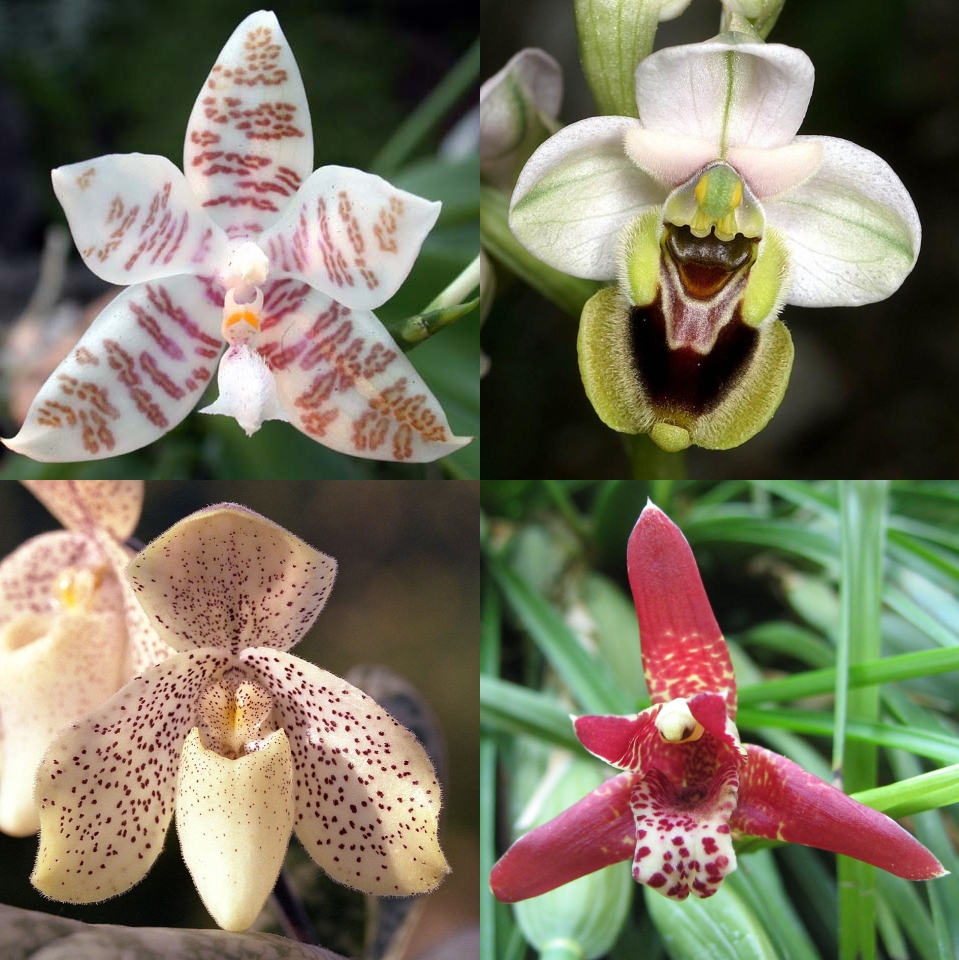
- Orchid greenhouses show native orchids on rocks and tree trunks
- Displays include cloud forest and páramo plants
- Streams and waterfalls run through the garden
- Located inside Quito’s Parque La Carolina
What is Quito Botanical Garden?
The Quito Botanical Garden is a green space in Quito’s Parque La Carolina, featuring a mix of outdoor gardens, greenhouses, and walking trails. Its displays include Ecuadorian orchids, aquatic plants, cloud forest species, and plants from the high-altitude páramo. Streams and small waterfalls run through the grounds, and there are areas dedicated to medicinal and fruit plants. The garden is designed for visitors to see plants as they grow in their natural habitats, with orchids mounted on rocks, soil, or tree trunks.
The history of Quito Botanical Garden
The garden was established in the early 1990s on the site of a former city nursery. Its creation followed an agreement among local institutions to transform the area into a botanical garden. The Botanical Foundation of the Andes was later formed to oversee its management and conservation efforts, focusing on Ecuador’s rich plant diversity. The garden is recognized by international botanical organizations and uses the code 'QUITO' for its herbarium and global listings.
What there is to see
The garden’s layout includes themed sections such as orchid houses, cloud forest zones, and páramo displays. Orchids are grown in two greenhouses, arranged on natural supports to mimic their wild conditions. Other sections feature aquatic plants, medicinal herbs, and fruit trees. Some projects, like a hydroponic rose greenhouse, are planned for the future. The garden’s pathways guide visitors through these varied habitats.


When to go
Open to the public throughout the week, the garden is a destination for learning about Ecuador’s plant life and for enjoying nature in the city. School groups, plant enthusiasts, and tourists visit to see rare and native species. The garden also supports conservation and education, working with local schools and organizations to promote awareness of Ecuador’s botanical heritage.
Parts and collections
Within its collections, the garden highlights orchids from different regions, including tall and tropical types. Páramo plants, such as the water-holding 'paramo pads,' are featured, along with a range of medicinal and fruit-bearing species. The displays are updated as new projects and plantings are developed.
Why Quito Botanical Garden matters
Ecuador is known for its exceptional plant diversity, with around 17,000 native species. The garden serves as a center for conservation and public education, helping to protect and showcase this botanical wealth. Its collections reflect the country’s varied ecosystems, from high mountains to tropical forests, and emphasize the importance of preserving native flora.
The flowers of Quito Botanical Garden
Plan a visit
Questions people ask about Quito Botanical Garden
Where is the Quito Botanical Garden located?
The garden is situated in Parque La Carolina, a central park in Quito, Ecuador, near major city avenues and close to the Museum of Natural Sciences.
What can visitors see at the garden?
Visitors will find collections of Ecuadorian orchids, aquatic plants, cloud forest and páramo species, medicinal herbs, and fruit trees, all arranged in themed sections with streams and walking paths.
When was the Quito Botanical Garden established?
The garden was created in the early 1990s, following an agreement to convert a former city nursery into a botanical garden dedicated to Ecuador’s plant life.
What makes the garden important?
It showcases Ecuador’s rich plant diversity, supports conservation and education, and is recognized by international botanical organizations for its collections and research.
Are there special collections in the garden?
Yes, the garden is known for its orchid greenhouses, as well as displays of cloud forest and high-altitude páramo plants, and sections dedicated to medicinal and fruit plants.
Good reading and sources
- Quito Botanical Garden on WikipediaEncyclopedia
- More photos on Wikimedia CommonsPhotos
- Wikidata recordOpen data
The facts on this page come from the Wikipedia article "Quito Botanical Garden", written by its contributors and used under the CC BY-SA 4.0 licence, and from its Wikidata record (CC0). Phool rewrote the text in its own words, with AI assistance, and compares every page with the article to make sure no passage is copied. It may be reused under the same CC BY-SA 4.0 licence with a link back.
It may contain mistakes. Opening times, prices and bloom dates change: check with the place before you travel. If something is wrong, tell us. Last refreshed 2026-10-03.
More of the same kind
 Place
Tropical Botanical Garden and Research Institute
A major botanical garden and research centre in Thiruvananthapuram, Kerala
Thiruvananthapuram, 🇮🇳 India · Botanical garden
Place
Tropical Botanical Garden and Research Institute
A major botanical garden and research centre in Thiruvananthapuram, Kerala
Thiruvananthapuram, 🇮🇳 India · Botanical garden
 Place
Baldha Gardenবলধা গার্ডেন
A historic botanical garden in Old Dhaka with hundreds of plant species
Dhaka, 🇧🇩 Bangladesh · Botanical garden
Place
Baldha Gardenবলধা গার্ডেন
A historic botanical garden in Old Dhaka with hundreds of plant species
Dhaka, 🇧🇩 Bangladesh · Botanical garden
 Place
Hakone Botanical Garden of Wetlands箱根湿生花園
A garden of wetland and alpine plants in Hakone, Japan
Hakone, 🇯🇵 Japan · Botanical garden
Place
Hakone Botanical Garden of Wetlands箱根湿生花園
A garden of wetland and alpine plants in Hakone, Japan
Hakone, 🇯🇵 Japan · Botanical garden
 Place
Sim's Park, Coonoor
A century-old botanical garden in the Nilgiri hills of Tamil Nadu
Coonoor, 🇮🇳 India · Botanical garden, May
Place
Sim's Park, Coonoor
A century-old botanical garden in the Nilgiri hills of Tamil Nadu
Coonoor, 🇮🇳 India · Botanical garden, May
More from Ecuador
All the flowers of Ecuador MarigoldTagetes
A group of bright annual and perennial flowers known worldwide as marigolds
🇲🇽 Mexico and 7 more · Wildflower
MarigoldTagetes
A group of bright annual and perennial flowers known worldwide as marigolds
🇲🇽 Mexico and 7 more · Wildflower
 BromeliadsBromeliaceae
A family of tropical flowering plants from the Americas, including the pineapple
🇨🇱 Chile and 7 more · Wildflower
BromeliadsBromeliaceae
A family of tropical flowering plants from the Americas, including the pineapple
🇨🇱 Chile and 7 more · Wildflower
 AchioteBixa orellana
Shrub with spiky red pods, source of the natural dye annatto
🇧🇷 Brazil and 9 more · Flowering shrub
AchioteBixa orellana
Shrub with spiky red pods, source of the natural dye annatto
🇧🇷 Brazil and 9 more · Flowering shrub
 Crinum moorei
A tall, fragrant lily from South Africa with white or pale pink blooms
🇿🇦 South Africa and 4 more · Wildflower
Crinum moorei
A tall, fragrant lily from South Africa with white or pale pink blooms
🇿🇦 South Africa and 4 more · Wildflower