
Reykjavík Botanic Garden
In its own language: Grasagarður Reykjavíkur
A public garden in Reykjavík with over 5,000 plant species and rich birdlife
Reykjavík Botanic Garden is a botanical garden in the Laugardalur district of Reykjavík, Iceland. Founded in 1961, it holds more than 5,000 plant species in eight collections and is home to many birds, especially grey geese. The garden serves as a place for education, offering guided tours and visits for schools.
- Founded in 1961 on Reykjavík’s 175th anniversary
- Over 5,000 plant species in eight collections
- Located in the Laugardalur district of Reykjavík
- Home to many grey geese and other birds
- Offers guided tours and school visits
What is Reykjavík Botanic Garden?
Reykjavík Botanic Garden covers 8.5 hectares in the Laugardalur area of Reykjavík. Visitors find a wide range of over 5,000 plant species arranged in eight collections. The garden features a pond, walking paths, and is known for its birdlife, with grey geese being especially common. Labels on the plants often show both scientific and Icelandic names, making it easy for visitors to learn as they explore.
The history of Reykjavík Botanic Garden
The garden was established in 1961 to mark Reykjavík’s 175th anniversary. It was created to conserve plant species and provide a place for education and enjoyment in the city. Over time, it has grown to become a member of Botanic Gardens Conservation International. Its collections have expanded to include both native and introduced plants, reflecting Iceland’s unique climate and flora.
What there is to see
The garden is organized into eight plant collections, each focusing on different groups of plants. Paths and signage guide visitors through the displays. The collections are curated and maintained by the municipality, with ongoing efforts to conserve and display a wide variety of species. Guided tours are offered, and school groups visit regularly as part of educational programs.


When to go
The garden is open to the public and is used for education, recreation, and nature observation. Guided tours are available for both the general public and school groups. Birdwatchers often visit to see the many species present, especially the grey geese. The garden also serves as a living resource for learning about plants and their conservation.
Why Reykjavík Botanic Garden matters
As a public institution, the garden plays a role in Reykjavík’s cultural and educational life. It is a place where people can learn about plant diversity and conservation. The garden’s establishment on the city’s anniversary highlights its importance to local heritage. Its membership in international conservation networks connects it to global efforts to protect plant life.
Questions people ask about Reykjavík Botanic Garden
Where is Reykjavík Botanic Garden located?
It is in the Laugardalur district of Reykjavík, Iceland, and covers an area of 8.5 hectares.
What can visitors see at the garden?
Visitors can explore more than 5,000 plant species arranged in eight collections, as well as enjoy birdwatching, especially for grey geese.
When was the garden established?
The garden was founded on August 18, 1961, to celebrate the 175th anniversary of Reykjavík.
Is the garden used for education?
Yes, the garden offers guided tours and hosts school groups for educational visits each year.
What is special about the plant labels?
Plant labels often show both the scientific and Icelandic names, helping visitors learn about each species.
Good reading and sources
- Official websiteOfficial site
- A Perfect Weekend Itinerary for Reykjavik, IcelandNational Geographic, Article
- Reykjavík Botanic Garden on WikipediaEncyclopedia
- More photos on Wikimedia CommonsPhotos
- Wikidata recordOpen data
The facts on this page come from the Wikipedia article "Reykjavík Botanic Garden", written by its contributors and used under the CC BY-SA 4.0 licence, and from its Wikidata record (CC0). Phool rewrote the text in its own words, with AI assistance, and compares every page with the article to make sure no passage is copied. It may be reused under the same CC BY-SA 4.0 licence with a link back.
It may contain mistakes. Opening times, prices and bloom dates change: check with the place before you travel. If something is wrong, tell us. Last refreshed 2026-10-03.
More of the same kind
 Place
Tropical Botanical Garden and Research Institute
A major botanical garden and research centre in Thiruvananthapuram, Kerala
Thiruvananthapuram, 🇮🇳 India · Botanical garden
Place
Tropical Botanical Garden and Research Institute
A major botanical garden and research centre in Thiruvananthapuram, Kerala
Thiruvananthapuram, 🇮🇳 India · Botanical garden
 Place
Baldha Gardenবলধা গার্ডেন
A historic botanical garden in Old Dhaka with hundreds of plant species
Dhaka, 🇧🇩 Bangladesh · Botanical garden
Place
Baldha Gardenবলধা গার্ডেন
A historic botanical garden in Old Dhaka with hundreds of plant species
Dhaka, 🇧🇩 Bangladesh · Botanical garden
 Place
Hakone Botanical Garden of Wetlands箱根湿生花園
A garden of wetland and alpine plants in Hakone, Japan
Hakone, 🇯🇵 Japan · Botanical garden
Place
Hakone Botanical Garden of Wetlands箱根湿生花園
A garden of wetland and alpine plants in Hakone, Japan
Hakone, 🇯🇵 Japan · Botanical garden
 Place
Sim's Park, Coonoor
A century-old botanical garden in the Nilgiri hills of Tamil Nadu
Coonoor, 🇮🇳 India · Botanical garden, May
Place
Sim's Park, Coonoor
A century-old botanical garden in the Nilgiri hills of Tamil Nadu
Coonoor, 🇮🇳 India · Botanical garden, May
More from Iceland
All the flowers of Iceland Common ValerianValeriana officinalis
Tall, sweet-scented wildflower with pale pink blooms and a long history in herbal lore
🇮🇸 Iceland and 8 more · Wildflower
Common ValerianValeriana officinalis
Tall, sweet-scented wildflower with pale pink blooms and a long history in herbal lore
🇮🇸 Iceland and 8 more · Wildflower
 Wild PansyViola tricolor
A small wildflower with purple, yellow, and white blooms found across Eurasia
🇨🇳 China and 3 more · Wildflower
Wild PansyViola tricolor
A small wildflower with purple, yellow, and white blooms found across Eurasia
🇨🇳 China and 3 more · Wildflower
 Eightpetal mountain-avensDryas octopetala
A low evergreen with creamy white eight-petalled flowers of Arctic and alpine regions
🇮🇸 Iceland and 2 more · Wildflower
Eightpetal mountain-avensDryas octopetala
A low evergreen with creamy white eight-petalled flowers of Arctic and alpine regions
🇮🇸 Iceland and 2 more · Wildflower
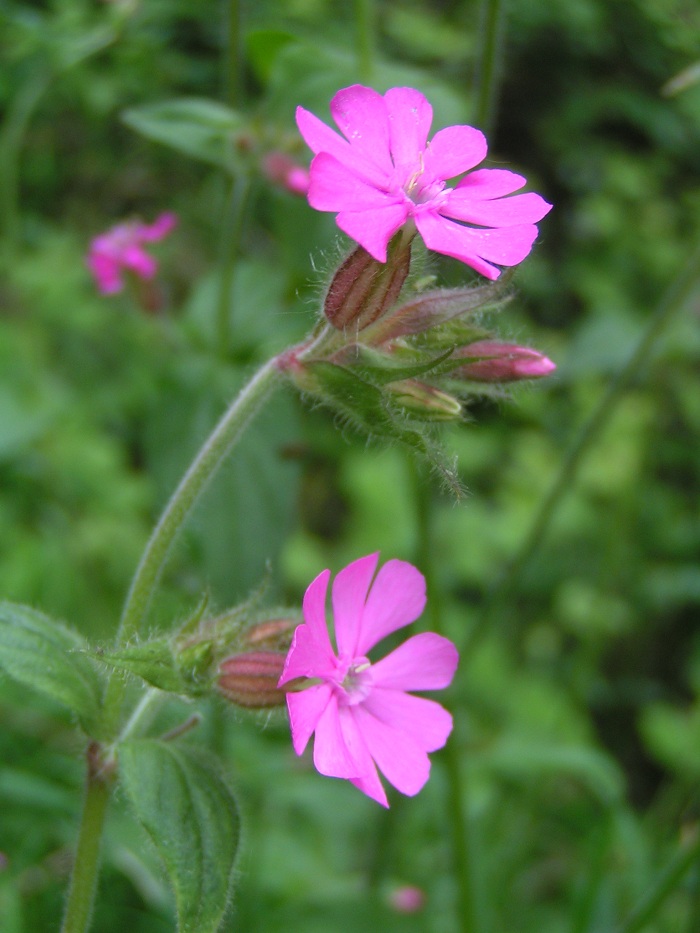 Red campionSilene dioica
A wild pink-red flower of woods and roadsides in northern and central Europe
🇮🇪 Ireland and 4 more · Wildflower
Red campionSilene dioica
A wild pink-red flower of woods and roadsides in northern and central Europe
🇮🇪 Ireland and 4 more · Wildflower