🇸🇻 The flowers of El Salvador
9 pages from El Salvador: its flowers, the things made with them and the places to see them.
El Salvador’s flowers grow in a land shaped by volcanoes, Pacific winds, and tropical sun. The country is known for its rich mix of native and introduced flowering plants, from the national flower izote (Yucca gigantea) to the indigo plant once vital for dye. Balsam trees and cacao also have deep roots in Salvadoran history and tradition.
- Izote (Yucca gigantea) is El Salvador’s national flower.
- Balsam trees grow in the coastal ranges of La Libertad and Ahuachapán.
- Indigo once dominated as an export crop for its blue dye.
- Cacao was a key crop in pre-Columbian and colonial times.
The plant life of El Salvador
El Salvador’s plant life thrives in a warm, tropical climate with marked wet and dry seasons. Volcanic soils and varied elevations support forests, grasslands, and cultivated fields. The flora is a blend of native Central American species and plants brought by people over centuries. The country’s small size holds a surprising diversity, with flowering trees, shrubs, and crops shaping both wild and settled landscapes. Historic crops like cacao and indigo have left their mark, alongside native trees such as balsam and yucca.
From region to region in El Salvador
Plant life shifts from the coastal plains, where mangroves and salt-tolerant plants grow, to the volcanic highlands, home to forests and flowering trees. The western and central regions, shaped by volcanic activity, support lush vegetation and crops. Eastern areas, with Lenca heritage, show links to neighboring Honduras in their plant traditions. Each region’s flowers reflect its climate, soil, and cultural history.
Flowers to know in El Salvador
The izote (Yucca gigantea), with its tall spikes of white flowers, is the national flower. Balsam trees, native to the coastal ranges, yield a fragrant resin. Indigofera, the indigo plant, was once a key export for its blue dye. Cacao trees, important since pre-Columbian times, produce pods used for chocolate. These plants are woven into the country’s identity and history.
How flowers are used in El Salvador
People have long used native plants for food, dye, and trade. Cacao was cultivated by early civilizations for drink and ritual. Balsam resin was harvested for trade and local use. Indigo plants supplied blue dye for export in colonial times. Today, flowering plants like izote are still valued in gardens and as symbols of Salvadoran heritage.
The facts in this overview come from the Wikipedia article "El Salvador", written by its contributors and used under the CC BY-SA 4.0 licence. Phool rewrote the text in its own words, with AI assistance, and compares every page with the article to make sure no passage is copied. It may be reused under the same CC BY-SA 4.0 licence with a link back.

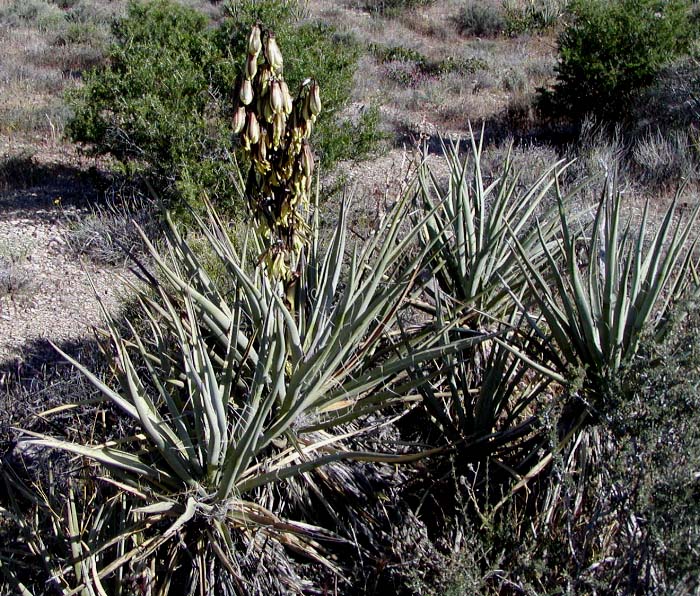 Yucca
Dry-climate plants with pointed leaves and clusters of creamy white flowers
🇲🇽 Mexico and 4 more · Wildflower
Yucca
Dry-climate plants with pointed leaves and clusters of creamy white flowers
🇲🇽 Mexico and 4 more · Wildflower
 Tigridia
Bulbous flowers with spotted petals, native to the Americas
🇲🇽 Mexico and 5 more · Wildflower
Tigridia
Bulbous flowers with spotted petals, native to the Americas
🇲🇽 Mexico and 5 more · Wildflower
 Tree dahliaDahlia imperialis
A towering dahlia with lavender-pink flowers from the mountains of Central America
🇲🇽 Mexico and 7 more · Wildflower
Tree dahliaDahlia imperialis
A towering dahlia with lavender-pink flowers from the mountains of Central America
🇲🇽 Mexico and 7 more · Wildflower
 Dutchman's pipe cactusEpiphyllum oxypetalum
A night-blooming cactus with large, fragrant white flowers
🇲🇽 Mexico and 7 more · Wildflower
Dutchman's pipe cactusEpiphyllum oxypetalum
A night-blooming cactus with large, fragrant white flowers
🇲🇽 Mexico and 7 more · Wildflower
 Pink trumpet-treeTabebuia rosea
A tall tree with pink to purple trumpet-shaped flowers, seen in parks and streets
🇲🇽 Mexico and 5 more · Flowering tree
Pink trumpet-treeTabebuia rosea
A tall tree with pink to purple trumpet-shaped flowers, seen in parks and streets
🇲🇽 Mexico and 5 more · Flowering tree
 Heliconia rostrata
A tropical plant with hanging red and yellow bracts, native to South America
🇧🇴 Bolivia and 7 more · Wildflower
Heliconia rostrata
A tropical plant with hanging red and yellow bracts, native to South America
🇧🇴 Bolivia and 7 more · Wildflower
 Tabebuia
Tropical trees and shrubs grown for their large, showy blossoms
🇨🇺 Cuba and 5 more · Flowering tree
Pale laeliaLaelia rubescens
A pale-flowered orchid from Mexico and Central America
🇲🇽 Mexico and 7 more · Wildflower
Tabebuia
Tropical trees and shrubs grown for their large, showy blossoms
🇨🇺 Cuba and 5 more · Flowering tree
Pale laeliaLaelia rubescens
A pale-flowered orchid from Mexico and Central America
🇲🇽 Mexico and 7 more · Wildflower
 Tigridia pavonia
A striking summer bulb with three-petalled blooms and bold central markings
🇲🇽 Mexico and 6 more · Wildflower
Tigridia pavonia
A striking summer bulb with three-petalled blooms and bold central markings
🇲🇽 Mexico and 6 more · Wildflower
Photo credits on this page
The small pictures above come from Wikimedia Commons under free licences. Some are cropped to fit.
- Pink trumpet-tree: José David Villalobos Robles, CC BY 3.0, source
- Tigridia pavonia: Lorbeer, CC BY-SA 2.0 de, source
- Tabebuia: J.M.Garg, CC BY 3.0, source
- Yucca: Stan Shebs, CC BY-SA 3.0, source
- Tigridia: No machine-readable author provided. NoahElhardt assumed (based on cop, CC BY-SA 2.5, source
- Tree dahlia: Dinesh Valke, CC BY-SA 2.0, source
- Dutchman's pipe cactus: Bobjgalindo, CC BY-SA 4.0, source
- Heliconia rostrata: Franz Xaver, CC BY-SA 3.0, source
- Ruta De Las Flores El Salvador: ClauH0288, CC BY-SA 3.0, source
- El Salvador: Mariordo (Mario Roberto Durán Ortiz), CC BY-SA 3.0, source