
Tigridia pavonia
A striking summer bulb with three-petalled blooms and bold central markings
Tigridia pavonia is a summer-flowering bulbous perennial from Mexico, Central America, and Colombia. Its large, three-petalled flowers come in many colour combinations with strong central patterns. Grown for ornament, its edible bulbs are used in Indigenous cooking and as a dye source.
- Large, three-petalled flowers with bold central markings
- Native to Mexico, Central America, and Colombia
- Edible bulbs used by Indigenous peoples as food and dye
- Flowers open in the morning and close before dusk
- Known as 'jaguar flower' by the Aztecs
What does Tigridia pavonia look like?
Tigridia pavonia is a bulbous perennial with narrow, lance-shaped leaves. Its flowers are large, reaching up to 15 cm across, and have three broad petals with vivid, contrasting markings at the center. The blooms come in a range of colour combinations and are notable for their striking patterns. Each flower opens early in the morning and closes before dusk, with new blooms appearing in succession throughout the summer.
Where does Tigridia pavonia come from?
This plant is native to Mexico, El Salvador, Guatemala, and Honduras, and is widespread in Colombia. It has also become naturalized in Ecuador and Peru. The Aztecs called it ocēlōxōchitl, or 'jaguar flower.' Indigenous groups in Colombia, such as the Inga and Kamëntšá, know it as watsimba. It has a long history of use in Indigenous gardens and traditions across its native range.
When and how Tigridia pavonia blooms
Tigridia pavonia grows from bulbs, called corms, which are planted in sandy but fertile soil in a sunny, sheltered spot. The plant flowers in summer, with blooms opening and closing daily. It can flower in its first year from seed. In colder climates, the corms are often lifted and stored over winter to protect them from frost.


How Tigridia pavonia is used
Grown mainly as an ornamental for its showy flowers, Tigridia pavonia is also valued for its edible bulbs, which are roasted and eaten, especially by Indigenous peoples in Mexico and Colombia. In the Sibundoy Valley, its bulbs are used in recipes, as a potato substitute, and to make reddish dyes for makeup and clothing. The plant is also used as chicken feed and in traditional medicine.
Kinds of Tigridia pavonia
The species shows a wide range of flower colours and patterns, but the sources do not name specific varieties or cultivars. Regional names and uses, such as 'watsimba' in Colombia and 'ocēlōxōchitl' among the Aztecs, reflect its cultural diversity.
What Tigridia pavonia means
Tigridia pavonia is important in Indigenous cultures for food, dye, and medicine. Its Aztec name means 'jaguar flower,' and it is a valued crop in chagras, or polyculture gardens, as a backup food source. Its bold flowers make it popular in gardens, but it is also woven into local traditions and daily life in its native regions.
Questions people ask about Tigridia pavonia
Where does Tigridia pavonia come from?
Tigridia pavonia is native to Mexico, El Salvador, Guatemala, and Honduras, and is also widespread in Colombia. It has become naturalized in Ecuador and Peru.
What does the flower look like?
The plant has large, three-petalled flowers up to 15 cm wide, with vivid and contrasting central markings. The blooms come in various colour combinations and open in the morning, closing before dusk.
How is Tigridia pavonia used?
It is grown as an ornamental flower, and its bulbs are roasted and eaten by Indigenous peoples. The bulbs are also used to make reddish dyes and as chicken feed, and the plant has roles in traditional medicine.
What does Tigridia pavonia symbolise?
Among the Aztecs, it was called 'jaguar flower,' reflecting its bold appearance. In Colombia, it is valued for food security and as part of Indigenous traditions.
When does Tigridia pavonia bloom?
The plant blooms throughout the summer, with flowers opening early each day and closing before dusk. New blooms appear in succession during the season.
Good reading and sources
- Tigridia pavoniaRoyal Horticultural Society, Article
- USDA Plants DatabaseUS Department of Agriculture, Article
- Plants of the World OnlineRoyal Botanic Gardens, Kew, Plant database
- Where it has been recordedGBIF, Plant database
- Sightings and photos by naturalistsiNaturalist, Plant database
- Tigridia pavonia on WikipediaEncyclopedia
- More photos on Wikimedia CommonsPhotos
- Wikidata recordOpen data
The facts on this page come from the Wikipedia article "Tigridia pavonia", written by its contributors and used under the CC BY-SA 4.0 licence, and from its Wikidata record (CC0). Phool rewrote the text in its own words, with AI assistance, and compares every page with the article to make sure no passage is copied. It may be reused under the same CC BY-SA 4.0 licence with a link back.
It may contain mistakes. It is not medical or foraging advice: many flowers are poisonous, and traditional uses are reported, not recommended. If something is wrong, tell us. Last refreshed 2026-10-03.
Others in the family Iridaceae
The whole family Gladiolus
Tall, showy flower spikes grown from corms, known as sword lilies
Gladiolus · Garden flower
Gladiolus
Tall, showy flower spikes grown from corms, known as sword lilies
Gladiolus · Garden flower
 Iris
A large group of perennial flowers with striking, six-lobed blooms
Iris · Wildflower
Iris
A large group of perennial flowers with striking, six-lobed blooms
Iris · Wildflower
 Crocus
Small corm-grown flowers in white, yellow, orange or purple
🇹🇷 Turkey and 7 more · Wildflower
Crocus
Small corm-grown flowers in white, yellow, orange or purple
🇹🇷 Turkey and 7 more · Wildflower
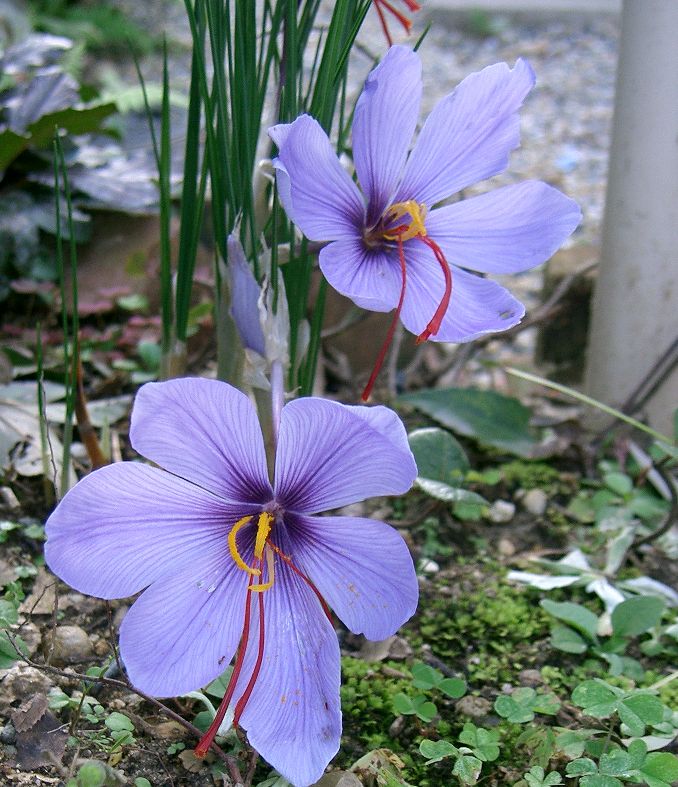 Saffron crocusCrocus sativus
The purple autumn flower whose red stigmas yield the spice saffron
🇨🇳 China and 1 more · Garden flower
Saffron crocusCrocus sativus
The purple autumn flower whose red stigmas yield the spice saffron
🇨🇳 China and 1 more · Garden flower
More from Mexico
All the flowers of Mexico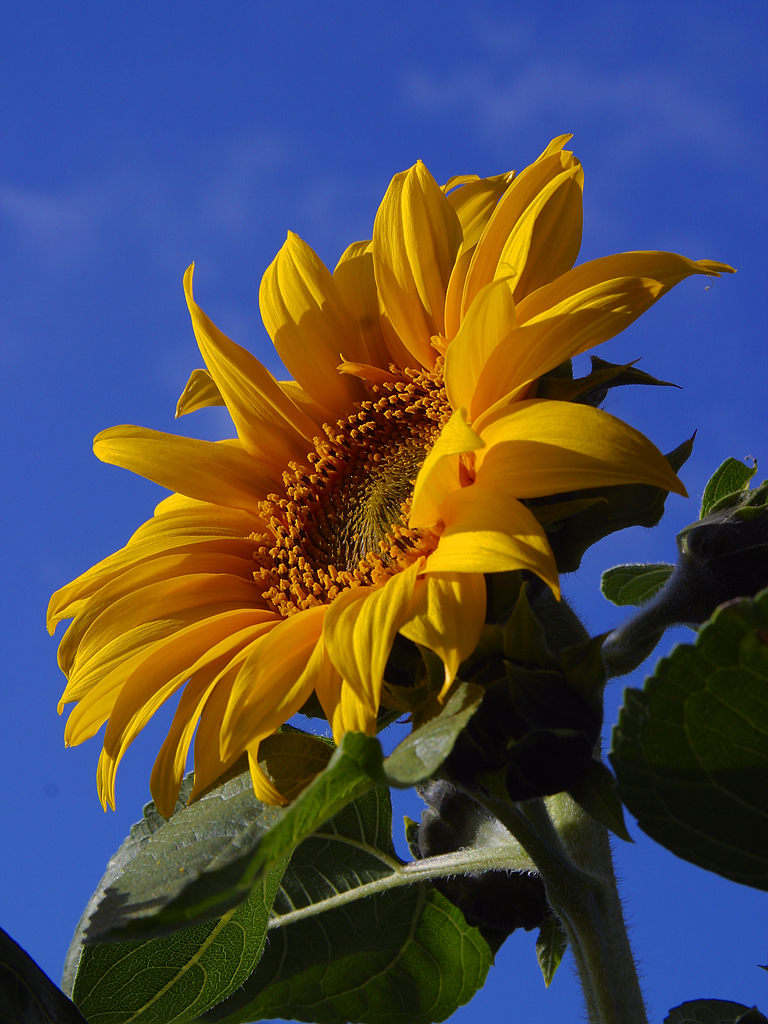 Common sunflowerHelianthus annuus
A tall annual plant grown for its large yellow flower heads and edible seeds
🇨🇦 Canada and 4 more · Wildflower
Common sunflowerHelianthus annuus
A tall annual plant grown for its large yellow flower heads and edible seeds
🇨🇦 Canada and 4 more · Wildflower
 CactusCactaceae
Succulent plants with spines, native to the Americas
🇲🇽 Mexico and 7 more · Wildflower
CactusCactaceae
Succulent plants with spines, native to the Americas
🇲🇽 Mexico and 7 more · Wildflower
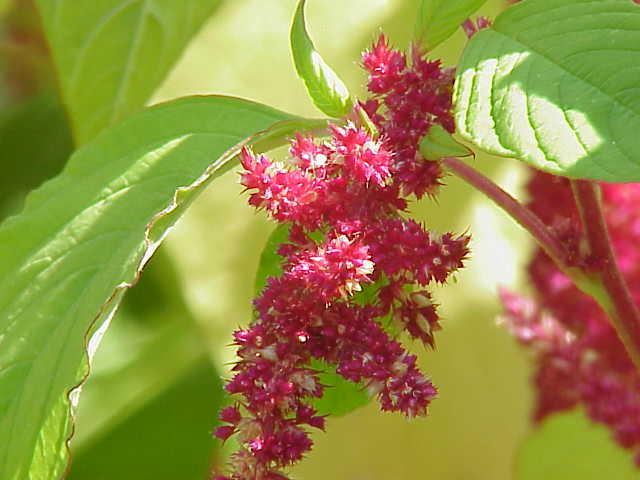 AmaranthAmaranthus
A tall, colourful plant grown for its flowers, leaves and edible seeds
🇲🇽 Mexico and 7 more · Wildflower
AmaranthAmaranthus
A tall, colourful plant grown for its flowers, leaves and edible seeds
🇲🇽 Mexico and 7 more · Wildflower
 HawthornCrataegus
A thorny shrub or tree with white or pink spring flowers and small edible fruits
🇮🇪 Ireland and 7 more · Wildflower
HawthornCrataegus
A thorny shrub or tree with white or pink spring flowers and small edible fruits
🇮🇪 Ireland and 7 more · Wildflower