
Tigridia
Bulbous flowers with spotted petals, native to the Americas
Tigridia is a group of about 60 bulbous plants in the iris family, known for their large, strikingly spotted flowers. Native from Mexico to Chile, these flowers bloom briefly but produce several blooms per stalk, and one species, Tigridia pavonia, is often grown in gardens.
- Each Tigridia flower blooms for only one day
- The roots were eaten by the Aztecs, who called the flower 'jaguar flower'
- About 60 species grow from Mexico to Chile
- Tigridia pavonia is the most widely grown species
What does Tigridia look like?
Tigridia plants grow from bulbs or corms and are part of the iris family. Their flowers are large and showy, often with bold spots or patterns that give them a 'tiger-like' appearance. Each bloom typically lasts only a single day, but several flowers can open in succession from the same stalk. The overall effect is a striking display of color and pattern, which has led to their common names such as peacock flower and tiger flower.
Where does Tigridia come from?
Tigridia is native to the Americas, with species found from Mexico south to Chile. The genus was first described in 1789 by the French botanist Antoine Laurent de Jussieu. The name 'Tigridia' refers to the spotted, tiger-like markings on the flowers, especially those of Tigridia pavonia. The Aztecs of Mexico knew the plant as 'cacomitl' for its edible roots and called its flower 'ocēlōxōchitl', meaning 'jaguar flower'.
When and how Tigridia blooms
Tigridia plants are dormant during the dry winter season. They grow from bulbs or corms, sending up stalks that bear several buds. Each flower opens for just one day, but multiple blooms can appear from a single stalk over time. Tigridia pavonia is the most commonly cultivated species, valued for its ornamental flowers in gardens.

How Tigridia is used
The roots of Tigridia were eaten by the Aztecs, and the plant is still grown for its decorative value in gardens. While the flowers are short-lived, their vivid colors and patterns make them popular among gardeners. There is no mention of use in religious or ceremonial contexts in the sources.
Kinds of Tigridia
There are about 60 species in the Tigridia genus. Tigridia pavonia is the best known and most widely cultivated. Several hybrids exist, such as Tigridia × mathewii, which is a cross between T. orthantha and T. pavonia. These hybrids are created for ornamental purposes.
What Tigridia means
Tigridia has cultural significance in Mexico, where the Aztecs valued its edible roots and named the flower for its jaguar-like appearance. The genus is known for its unique, spotted flowers, which have inspired its scientific and common names. There is no mention of national or regional emblems or symbolic meanings beyond its Aztec associations.
Questions people ask about Tigridia
Where does Tigridia come from?
Tigridia is native to the Americas, with species found from Mexico down to northern Chile, and also in El Salvador, Guatemala, Honduras, and Peru.
What does a Tigridia flower look like?
Tigridia flowers are large and showy, often with bold spots or patterns on the petals, giving them a tiger-like or peacock-like appearance. Each bloom lasts just one day, but several may appear on the same stalk.
How is Tigridia used?
The roots of Tigridia were traditionally eaten by the Aztecs. Today, the plant is mainly grown in gardens for its decorative flowers.
Are there different types of Tigridia?
Yes, there are about 60 species in the genus, with Tigridia pavonia being the most commonly cultivated. There are also hybrids, such as Tigridia × mathewii.
What does the name Tigridia mean?
The name Tigridia means 'tiger-like', referring to the spotted markings on the flowers, especially those of the type species Tigridia pavonia.
Good reading and sources
- Encyclopaedia BritannicaArticle
- USDA Plants DatabaseUS Department of Agriculture, Article
- Plants of the World OnlineRoyal Botanic Gardens, Kew, Plant database
- Where it has been recordedGBIF, Plant database
- Sightings and photos by naturalistsiNaturalist, Plant database
The facts on this page come from the Wikipedia article "Tigridia", written by its contributors and used under the CC BY-SA 4.0 licence, and from its Wikidata record (CC0). Phool rewrote the text in its own words, with AI assistance, and compares every page with the article to make sure no passage is copied. It may be reused under the same CC BY-SA 4.0 licence with a link back.
It may contain mistakes. It is not medical or foraging advice: many flowers are poisonous, and traditional uses are reported, not recommended. If something is wrong, tell us. Last refreshed 2026-10-03.
Others in the family Iridaceae
The whole family Gladiolus
Tall, showy flower spikes grown from corms, known as sword lilies
Gladiolus · Garden flower
Gladiolus
Tall, showy flower spikes grown from corms, known as sword lilies
Gladiolus · Garden flower
 Iris
A large group of perennial flowers with striking, six-lobed blooms
Iris · Wildflower
Iris
A large group of perennial flowers with striking, six-lobed blooms
Iris · Wildflower
 Crocus
Small corm-grown flowers in white, yellow, orange or purple
🇹🇷 Turkey and 7 more · Wildflower
Crocus
Small corm-grown flowers in white, yellow, orange or purple
🇹🇷 Turkey and 7 more · Wildflower
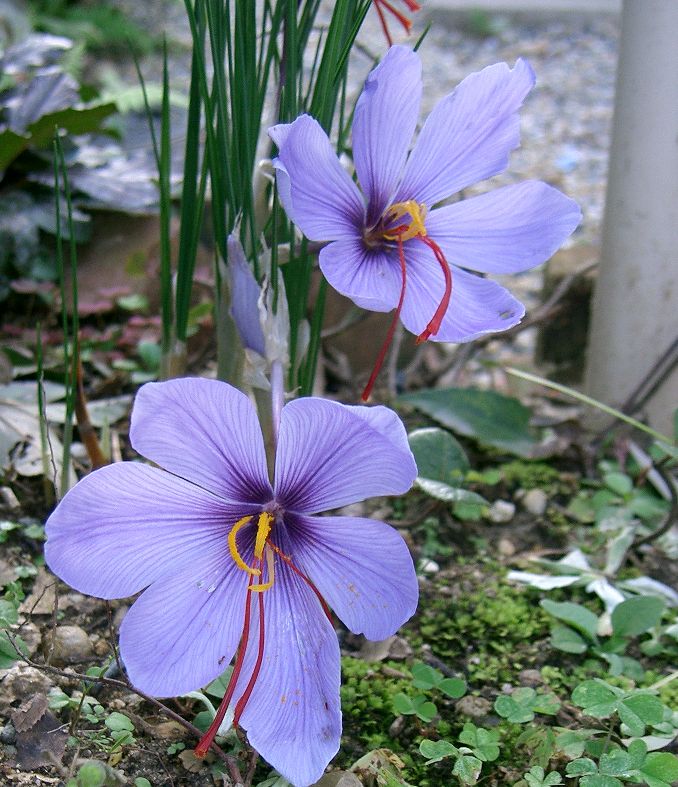 Saffron crocusCrocus sativus
The purple autumn flower whose red stigmas yield the spice saffron
🇨🇳 China and 1 more · Garden flower
Saffron crocusCrocus sativus
The purple autumn flower whose red stigmas yield the spice saffron
🇨🇳 China and 1 more · Garden flower
More from Mexico
All the flowers of Mexico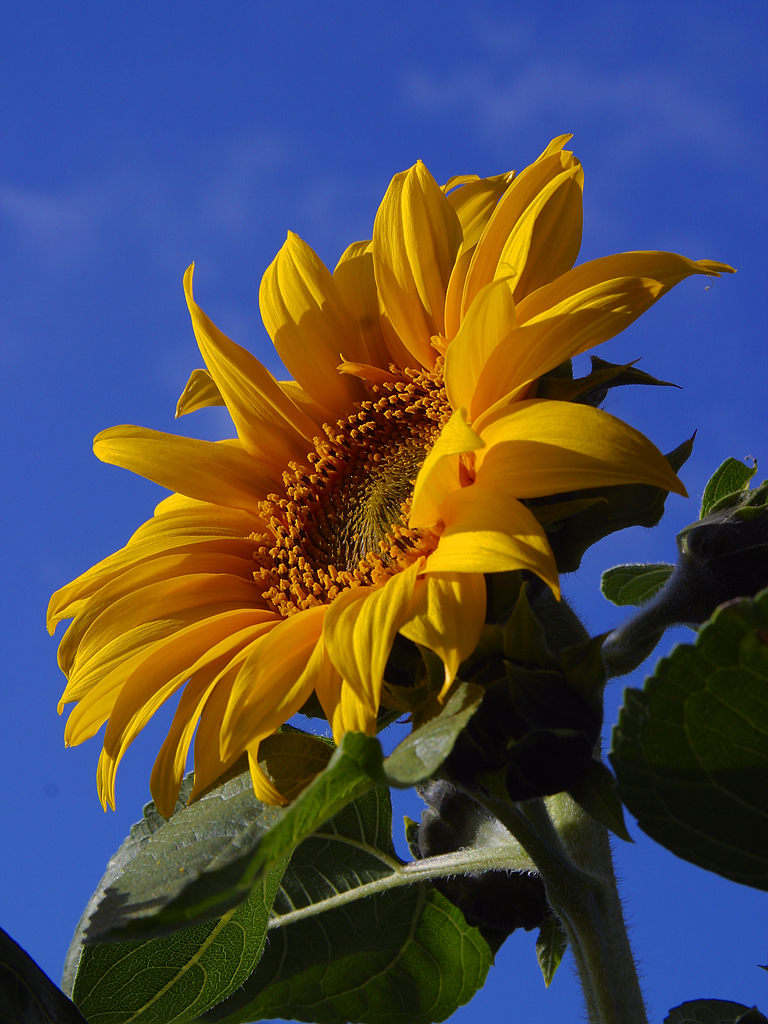 Common sunflowerHelianthus annuus
A tall annual plant grown for its large yellow flower heads and edible seeds
🇨🇦 Canada and 4 more · Wildflower
Common sunflowerHelianthus annuus
A tall annual plant grown for its large yellow flower heads and edible seeds
🇨🇦 Canada and 4 more · Wildflower
 CactusCactaceae
Succulent plants with spines, native to the Americas
🇲🇽 Mexico and 7 more · Wildflower
CactusCactaceae
Succulent plants with spines, native to the Americas
🇲🇽 Mexico and 7 more · Wildflower
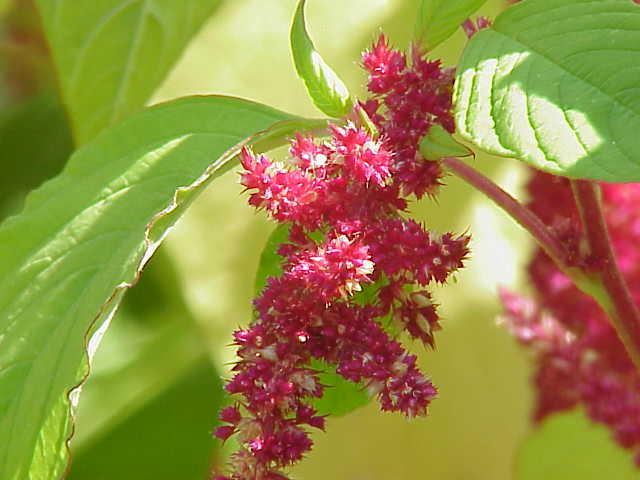 AmaranthAmaranthus
A tall, colourful plant grown for its flowers, leaves and edible seeds
🇲🇽 Mexico and 7 more · Wildflower
AmaranthAmaranthus
A tall, colourful plant grown for its flowers, leaves and edible seeds
🇲🇽 Mexico and 7 more · Wildflower
 HawthornCrataegus
A thorny shrub or tree with white or pink spring flowers and small edible fruits
🇮🇪 Ireland and 7 more · Wildflower
HawthornCrataegus
A thorny shrub or tree with white or pink spring flowers and small edible fruits
🇮🇪 Ireland and 7 more · Wildflower