
Bloemencorso
Annual flower parades with decorated floats in the Netherlands and Belgium
Bloemencorso are yearly parades in Dutch and Belgian towns where floats, vehicles, and sometimes boats are covered in flowers. Each parade has its own style and theme, and the tradition dates back to the Middle Ages. In 2021, UNESCO recognized the flower and fruit parade culture in the Netherlands.
- Floats are decorated with thousands of fresh flowers
- Zundert hosts the largest flower parade in the world
- UNESCO recognized Dutch flower and fruit parades in 2021
- Tradition dates back to the Middle Ages
- Each parade has its own theme and style
What is Bloemencorso?
A bloemencorso is a festive event where floats, cars, and sometimes boats are decorated with thousands of flowers. These parades wind through towns and villages, each with its own chosen theme and style. The displays can be elaborate, with large sculptures and creative designs made entirely from blooms, especially dahlias and other seasonal flowers. Crowds gather to watch the procession and enjoy the artistry and community spirit.
Where does Bloemencorso come from?
The tradition of bloemencorso began in the Netherlands and Belgium, with roots reaching back to the Middle Ages. Over time, it became an annual celebration in many towns, each developing its own version of the parade. The custom has grown to include both flower and fruit decorations, and in 2021, UNESCO listed the Dutch flower and fruit parade culture as part of the world’s intangible heritage.
How Bloemencorso is made
Floats for bloemencorso are built by local groups, often over many weeks. Frames are constructed first, then covered with flowers—mainly dahlias, but also other types depending on the region and season. Volunteers attach the blooms by hand to create detailed patterns and figures. Some parades also feature cars and boats, all decorated to fit the year’s chosen theme.


When and where Bloemencorso is used
Bloemencorso parades are held once a year, usually in late summer or early autumn, depending on the town. They are community events, drawing visitors from near and far. People come to see the floats, enjoy music and festivities, and celebrate local creativity. Each town’s parade has its own traditions and highlights.
Forms of Bloemencorso
Different towns have their own bloemencorso, each with unique features. Zundert hosts the world’s largest flower parade, while places like Aalsmeer and Duin- en Bollenstreek are also well known for their events. In Belgium, Blankenberge and Loenhout are among the towns with their own versions. Some parades use boats, others focus on cars or traditional floats.
What Bloemencorso means
Bloemencorso is a symbol of local pride and community effort in the Netherlands and Belgium. The tradition is deeply rooted, with some parades running for decades. The recognition by UNESCO in 2021 highlights its importance as a living heritage. The events bring people together and showcase floral artistry on a grand scale.
The flowers of Bloemencorso
 DahliaA bushy perennial with tuberous roots and bright, star-shaped blooms
 Red dahliaA Mexican dahlia with red, orange or yellow blooms
 Tree dahliaA towering dahlia with lavender-pink flowers from the mountains of Central America
 Garden dahliaA showy perennial with pink to deep purple blooms, grown in gardens worldwide
Traditions that use it
Questions people ask about Bloemencorso
Where did bloemencorso originate?
Bloemencorso began in the Netherlands and Belgium, with its roots in medieval times. Over the centuries, it developed into an annual event in many towns across both countries.
What happens at a bloemencorso?
Floats, cars, and sometimes boats are decorated with flowers and paraded through the streets. Each event has a unique theme, and the displays can be very elaborate, attracting large crowds.
Which flowers are most commonly used?
Dahlias are the main flower used for decorating the floats, but other seasonal flowers may also be included depending on the region and time of year.
Is bloemencorso recognized internationally?
Yes, in 2021, UNESCO added the culture of Dutch flower and fruit parades to its list of Intangible Cultural Heritage of Humanity.
Are there famous bloemencorso locations?
Zundert is known for hosting the largest flower parade in the world. Other notable towns include Aalsmeer, Duin- en Bollenstreek, and Blankenberge in Belgium.
Good reading and sources
The facts on this page come from the Wikipedia article "Bloemencorso", written by its contributors and used under the CC BY-SA 4.0 licence, and from its Wikidata record (CC0). Phool rewrote the text in its own words, with AI assistance, and compares every page with the article to make sure no passage is copied. It may be reused under the same CC BY-SA 4.0 licence with a link back.
It may contain mistakes. If something is wrong, tell us. Last refreshed 2026-10-03.
More of the same kind
 Decoration
Floriculture
The science and business of growing flowers and ornamental plants
Arrangement
Decoration
Floriculture
The science and business of growing flowers and ornamental plants
Arrangement
 Decoration
Onam
Kerala’s ten-day harvest festival with flower carpets, feasts and boat races
🇮🇳 India and 1 more · Custom, Aug to Sep
Decoration
Onam
Kerala’s ten-day harvest festival with flower carpets, feasts and boat races
🇮🇳 India and 1 more · Custom, Aug to Sep
 Decoration
Day of the DeadDía de (los) Muertos
Mexico’s festival of remembrance with altars, marigolds, and sugar skulls
🇲🇽 Mexico · Custom, November
Decoration
Day of the DeadDía de (los) Muertos
Mexico’s festival of remembrance with altars, marigolds, and sugar skulls
🇲🇽 Mexico · Custom, November
 Decoration
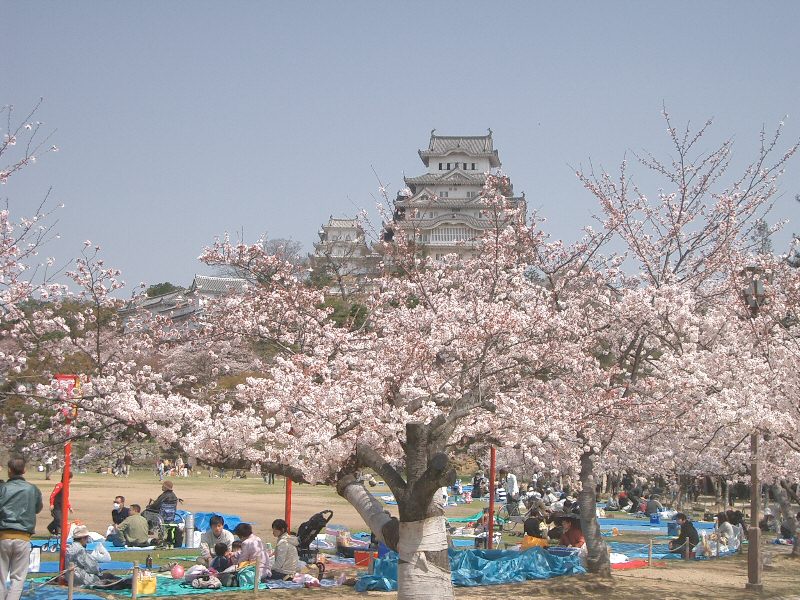
Hanami花見
The Japanese tradition of gathering to enjoy cherry blossoms in spring
🇯🇵 Japan and 7 more · Custom, Jan to May
Decoration
Hanami花見
The Japanese tradition of gathering to enjoy cherry blossoms in spring
🇯🇵 Japan and 7 more · Custom, Jan to May
More from the Netherlands
All the flowers of the Netherlands Decoration
Zundert Flower Parade
A Dutch parade of giant dahlia-covered floats built by local volunteers
🇳🇱 Netherlands · Parade or display, September
Decoration
Zundert Flower Parade
A Dutch parade of giant dahlia-covered floats built by local volunteers
🇳🇱 Netherlands · Parade or display, September
 Decoration
Floristry
The craft and trade of arranging and selling flowers
🇳🇱 Netherlands and 3 more · Arrangement
Decoration
Floristry
The craft and trade of arranging and selling flowers
🇳🇱 Netherlands and 3 more · Arrangement
 Decoration
Floral industry
The global trade and business of growing, selling, and arranging flowers
🇳🇱 Netherlands and 7 more · Custom
Decoration
Floral industry
The global trade and business of growing, selling, and arranging flowers
🇳🇱 Netherlands and 7 more · Custom
 Decoration
Bollenstreek Flower Parade
A spring flower parade from Noordwijk to Haarlem in the Netherlands
🇳🇱 Netherlands · Parade or display, April
Decoration
Bollenstreek Flower Parade
A spring flower parade from Noordwijk to Haarlem in the Netherlands
🇳🇱 Netherlands · Parade or display, April