
Chinese garden
In its own language: 中国园林
A walled landscape of water, rocks, plants and pavilions shaped by Chinese aesthetics
The Chinese garden is a designed landscape enclosed by walls, blending ponds, rock formations, trees, flowers, halls and winding paths. Developed over three millennia in China, it reflects philosophical ideals through miniature natural scenes viewed like painted scrolls.
- Built over 3,000 years of Chinese history
- Features include ponds, rockeries, pavilions and winding paths
- Inspired by the legend of Mount Penglai and the Isles of Immortals
- Scholar gardens hosted poetry gatherings like the Orchid Pavilion event
- Multiple examples are UNESCO World Heritage Sites
What is Chinese garden?
A Chinese garden is surrounded by walls and arranged as a sequence of composed views. It holds one or more ponds, carefully placed rocks, trees and flowering plants, along with pavilions, halls and covered walkways. Paths twist so each turn reveals a new scene, much like unrolling a handscroll painting.
Where does Chinese garden come from?
Gardens first appeared in China during the Shang dynasty as royal hunting parks or plant enclosures. By the Qin and Han dynasties, emperors built lakes with islands symbolising mythical Mount Penglai, home of immortals. Over centuries, scholars and officials developed smaller gardens for quiet reflection, poetry and art.
How Chinese garden is made
Designers arrange rocks, water, architecture and vegetation to mimic idealised nature. Key features include artificial mountains, winding streams, moon gates, zigzag bridges and viewing pavilions. Every element is positioned to create framed vistas that change as visitors move through the space.


When and where Chinese garden is used
Imperial gardens displayed power and sought immortality; scholar gardens offered retreat for writing, painting and contemplation. Buddhist temples often included small gardens. Today, historic examples like those in Suzhou serve as cultural sites and models of traditional aesthetics.
Forms of Chinese garden
Two main types exist: grand imperial gardens like the Summer Palace and Chengde Mountain Resort, and intimate scholar gardens such as those in Suzhou. Both follow the 'one pond, three mountains' layout inspired by legends of paradise islands.
What Chinese garden means
These gardens embody Daoist and Confucian ideas about harmony between humans and nature. They influenced Japanese garden design and appear in classical poetry and painting. Several, including Suzhou’s gardens and imperial sites, are UNESCO World Heritage listings.
The flowers of Chinese garden
 WillowDeciduous trees and shrubs with early spring catkin flowers
 PomegranateA shrub with bright red flowers and a fruit full of edible seeds
 Sacred lotusThe pink aquatic flower sacred in Asia and grown for food, worship and beauty
 LotusAquatic plants with large, round leaves and striking flowers called lotus
 ChampakA tall tree with fragrant yellow to orange flowers, prized in South and Southeast Asia
 Campbell's MagnoliaA Himalayan tree with large pink or white flowers blooming before the leaves
 Magnolia sieboldiiA summer-blooming magnolia with white, cup-shaped flowers from East Asia
 Magnolia liliifloraA small Chinese magnolia with large pink-purple spring flowers
Traditions that use it
Questions people ask about Chinese garden
Where did Chinese gardens originate?
They began in China during the Shang dynasty (1600–1046 BC) as royal parks for hunting or growing plants, later evolving into artistic landscapes.
What do Chinese gardens symbolise?
They represent an ideal harmony between people and nature, often using islands and mountains to evoke mythical realms of immortals.
Who created Chinese gardens?
Emperors built vast pleasure gardens, while scholars, poets and retired officials made smaller ones for reflection, art and literary gatherings.
How are scenes revealed in a Chinese garden?
Visitors follow winding paths and galleries that unfold views one at a time, like scenes in a painted scroll.
Are any Chinese gardens protected today?
Yes, the Summer Palace, Chengde Mountain Resort and several Suzhou gardens are UNESCO World Heritage Sites.
Good reading and sources
- Chinese garden on WikipediaEncyclopedia
- More photos on Wikimedia CommonsPhotos
- Wikidata recordOpen data
The facts on this page come from the Wikipedia article "Chinese garden", written by its contributors and used under the CC BY-SA 4.0 licence, and from its Wikidata record (CC0). Phool rewrote the text in its own words, with AI assistance, and compares every page with the article to make sure no passage is copied. It may be reused under the same CC BY-SA 4.0 licence with a link back.
It may contain mistakes. If something is wrong, tell us. Last refreshed 2026-10-03.
More of the same kind
 Decoration
Islamic garden
A walled garden of water, shade and scent inspired by paradise
🇮🇷 Iran and 5 more · Garden style
Decoration
Islamic garden
A walled garden of water, shade and scent inspired by paradise
🇮🇷 Iran and 5 more · Garden style
 Decoration
Mughal garden
A formal garden style of pools, canals, and symmetry from the Mughal era
🇮🇳 India and 3 more · Garden style
Decoration
Mughal garden
A formal garden style of pools, canals, and symmetry from the Mughal era
🇮🇳 India and 3 more · Garden style
 Decoration
Trellis
An open lattice framework for supporting climbing plants
Garden style
Decoration
Trellis
An open lattice framework for supporting climbing plants
Garden style
 Decoration
Korean garden
A natural garden style shaped by rocks, ponds, and harmony with the land
🇰🇷 South Korea and 5 more · Garden style
Decoration
Korean garden
A natural garden style shaped by rocks, ponds, and harmony with the land
🇰🇷 South Korea and 5 more · Garden style
More from China
All the flowers of China Decoration
Bonsai盆栽
The Japanese art of shaping miniature trees in shallow pots
🇯🇵 Japan and 7 more · Art or design
Decoration
Bonsai盆栽
The Japanese art of shaping miniature trees in shallow pots
🇯🇵 Japan and 7 more · Art or design
 Decoration
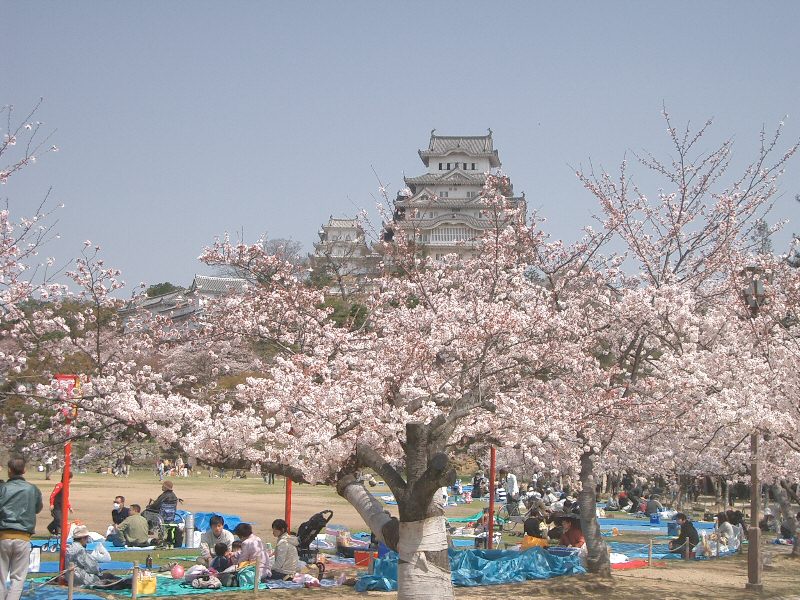
Hanami花見
The Japanese tradition of gathering to enjoy cherry blossoms in spring
🇯🇵 Japan and 7 more · Custom, Jan to May
Decoration
Hanami花見
The Japanese tradition of gathering to enjoy cherry blossoms in spring
🇯🇵 Japan and 7 more · Custom, Jan to May
 Decoration
Bouquet
A creative arrangement of flowers, given or displayed for many occasions
🇨🇳 China and 1 more · Arrangement
Decoration
Bouquet
A creative arrangement of flowers, given or displayed for many occasions
🇨🇳 China and 1 more · Arrangement
 Decoration
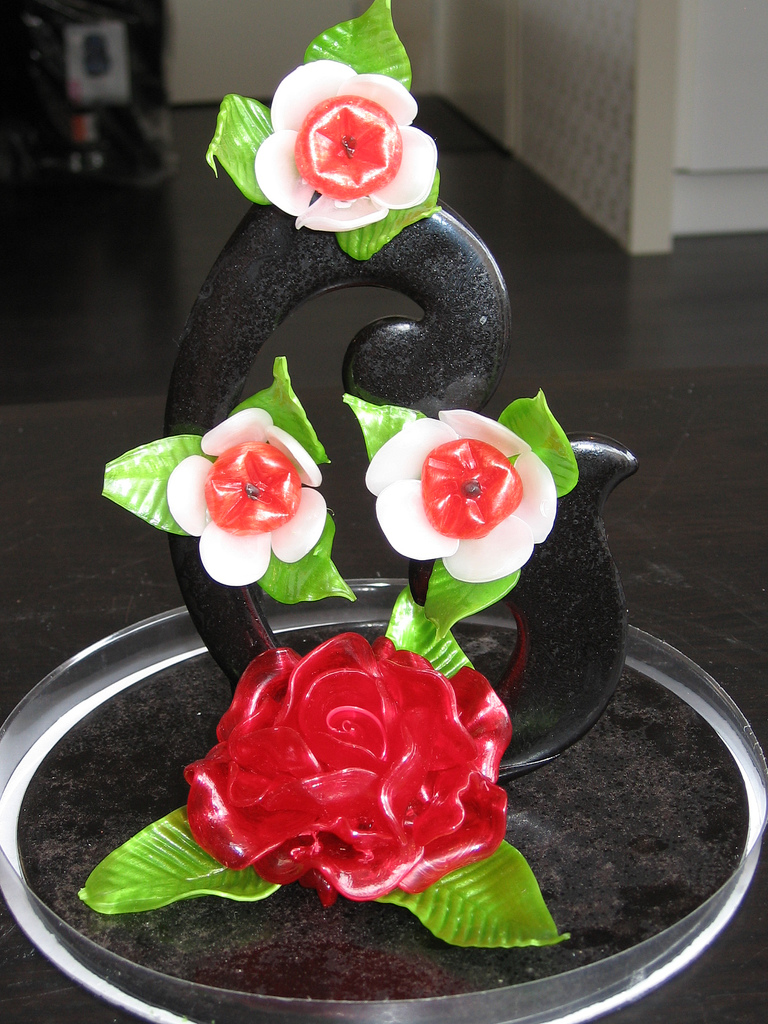
Sugar sculpture
Artistic centerpieces and figures made entirely from cooked sugar
🇨🇳 China and 1 more · Flower craft
Decoration
Sugar sculpture
Artistic centerpieces and figures made entirely from cooked sugar
🇨🇳 China and 1 more · Flower craft