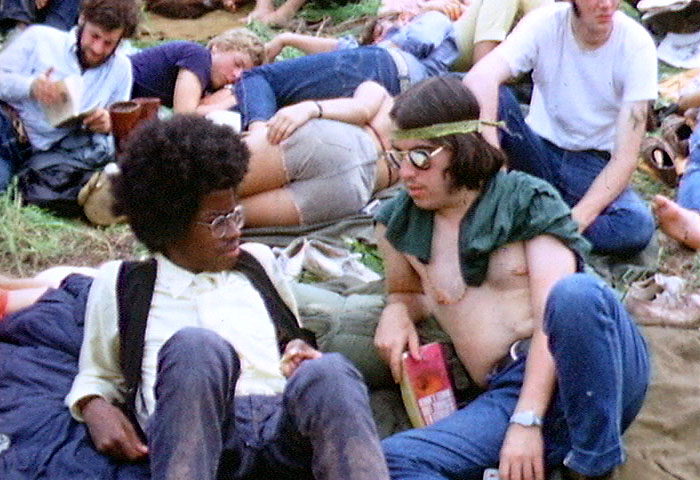
flower child
A 1960s youth movement known for wearing and sharing flowers as symbols of peace
Flower child describes young people in the late 1960s who wore flowers and gave them out to express peace, love, and unity. This term became linked to the hippie movement, especially in the United States and the United Kingdom, and was seen during events like the Summer of Love in San Francisco.
- The term 'flower child' was first used in California in 1967.
- Wearing and giving flowers symbolized peace and love.
- San Francisco's Summer of Love was a key moment for the movement.
- The custom spread from the US to Europe.
- Flower children were closely linked to the hippie movement.
What is flower child?
A flower child was a young person, often part of the hippie movement, who wore flowers in their hair, on their clothes, or gave them to others. These flowers, real or embroidered, became a sign of peaceful intentions and a wish for harmony. The look was colorful and often included other floral-themed decorations, making the wearer stand out in crowds or at gatherings.
Where does flower child come from?
The phrase 'flower child' was first used in 1967 by Lord Tim Hudson, a disc jockey in California. It quickly spread, especially after musicians and media picked it up. The movement drew on ideas from poet Allen Ginsberg, who encouraged giving flowers as a peaceful gesture. The custom grew in San Francisco and spread to other cities, becoming a symbol of the 1960s counterculture.
How flower child is made
To embody the flower child style, people would decorate themselves with fresh flowers, often tucking them into their hair or clothing. Sometimes they handed out flowers to strangers as a gesture of goodwill. Floral patterns and bright colors were also common in their outfits, and gatherings would often feature flower-themed decorations.
When and where flower child is used
Flower children were most visible at large gatherings, protests, and festivals in the late 1960s, especially in San Francisco during the Summer of Love. Wearing and sharing flowers was a way to express ideals of peace and love, and became a hallmark of the hippie movement. The practice spread to other parts of the United States and Europe.
Forms of flower child
The flower child look varied by location and event. In San Francisco, it was closely tied to the Haight-Ashbury district and the Summer of Love. Elsewhere, the style adapted to local customs and available flowers, but the core idea of using flowers as a symbol of peace remained the same.
What flower child means
Being a flower child came to represent ideals of nonviolence, community, and openness. The movement influenced music, fashion, and art of the time. Images of young people offering flowers at protests became powerful symbols of peaceful resistance. The term still evokes the spirit of the 1960s counterculture.
Questions people ask about flower child
Where did the flower child movement begin?
The movement started in California, especially in San Francisco, during the late 1960s. It quickly spread to other cities in the United States and Europe.
What does being a flower child mean?
Being a flower child meant embracing peace, love, and unity, often shown by wearing or giving flowers. It was part of the broader hippie and counterculture movement.
Why did flower children wear flowers?
They wore and shared flowers as a symbol of peaceful intentions, hope for harmony, and a rejection of violence.
What events are associated with flower children?
Major events include the Summer of Love in San Francisco and various music festivals and peaceful protests during the late 1960s.
Is the flower child custom still seen today?
While the original movement was strongest in the 1960s, the image and ideals of flower children still influence fashion and culture, especially at festivals.
Good reading and sources
The facts on this page come from the Wikipedia article "Flower child", written by its contributors and used under the CC BY-SA 4.0 licence, and from its Wikidata record (CC0). EveryPhool rewrote the text in its own words, with AI assistance, and compares every page with the article to make sure no passage is copied. It may be reused under the same CC BY-SA 4.0 licence with a link back.
It may contain mistakes. If something is wrong, tell us. Last refreshed 2026-10-03.
More of the same kind
 Decoration
Garland
A string or braid of flowers, leaves, or other materials for decoration or ceremony
🇮🇳 India and 3 more · Garland or wreath
Decoration
Mărțișor
Red and white string brooches worn for spring in Romania and Moldova
🇷🇴 Romania and 3 more · Custom, March
Decoration
Garland
A string or braid of flowers, leaves, or other materials for decoration or ceremony
🇮🇳 India and 3 more · Garland or wreath
Decoration
Mărțișor
Red and white string brooches worn for spring in Romania and Moldova
🇷🇴 Romania and 3 more · Custom, March
 Decoration
Pomander
A scented ball or container worn or carried to perfume the air
Worn flowers
Decoration
Pomander
A scented ball or container worn or carried to perfume the air
Worn flowers
 Decoration
Bouquet
A creative arrangement of flowers, given or displayed for many occasions
🇨🇳 China and 1 more · Arrangement
Decoration
Bouquet
A creative arrangement of flowers, given or displayed for many occasions
🇨🇳 China and 1 more · Arrangement
More from the United States
All the flowers of the United States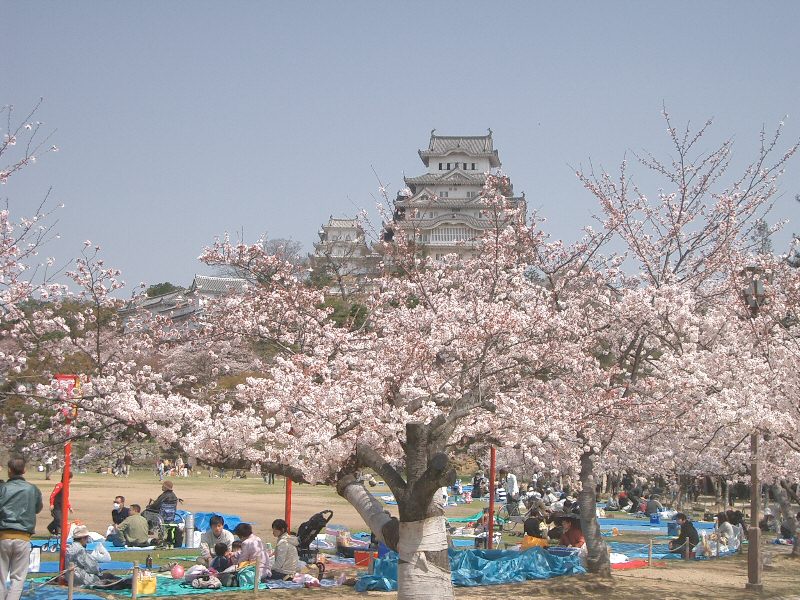 Decoration
Hanami花見
The Japanese tradition of gathering to enjoy cherry blossoms in spring
🇯🇵 Japan and 7 more · Custom, Jan to May
Decoration
Hanami花見
The Japanese tradition of gathering to enjoy cherry blossoms in spring
🇯🇵 Japan and 7 more · Custom, Jan to May
 Decoration
Bonsai盆栽
The Japanese art of shaping miniature trees in shallow pots
🇯🇵 Japan and 7 more · Art or design
Decoration
Bonsai盆栽
The Japanese art of shaping miniature trees in shallow pots
🇯🇵 Japan and 7 more · Art or design
 Decoration
May devotions to the Blessed Virgin Mary
Month-long Catholic customs honouring Mary with flowers, altars, and processions
🇮🇹 Italy and 7 more · Custom, May
Decoration
May devotions to the Blessed Virgin Mary
Month-long Catholic customs honouring Mary with flowers, altars, and processions
🇮🇹 Italy and 7 more · Custom, May
 Decoration
Flower power
A 1960s protest style using flowers as symbols of peace and resistance
🇺🇸 United States · Custom
Decoration
Flower power
A 1960s protest style using flowers as symbols of peace and resistance
🇺🇸 United States · Custom