
Tihar
In its own language: तिहार
Nepal’s five-day festival of lights, flowers, animals, and sibling bonds
Tihar is a major Hindu festival in Nepal, celebrated over five days each autumn with lights, flowers, and rituals honoring animals, deities, and family ties. Homes are decorated with marigold garlands and rangoli, lamps are lit, and each day focuses on a different animal or relationship, ending with the Bhai Tika ceremony between siblings.
- Each day of Tihar honors a different animal or relationship
- Homes are decorated with marigold garlands and rangoli patterns
- Bhai Tika uses a seven-colored tika and gomphrena flower garlands
- Children sing Deusi/Bhailo and receive gifts during the festival
What is Tihar?
Tihar is a festival marked by lamps, candles, and electric lights brightening homes and streets. Marigold garlands hang on doors and windows, and colorful rangoli patterns made with flower petals or colored powders decorate floors. Each day features rituals for animals like crows, dogs, cows, and oxen, and the final day centers on the bond between brothers and sisters, with special ceremonies and flower garlands.
Where does Tihar come from?
Tihar is rooted in Nepalese Hindu tradition and follows the lunar Bikram Sambat calendar, usually falling in October or November. It is also celebrated by Nepalese communities in India, especially in Sikkim and West Bengal, and by the Nepalese diaspora. The festival blends ancient beliefs, honoring both deities like Lakshmi and Yama and animals that live alongside people, reflecting a deep respect for all forms of life.
How Tihar is made
Preparation for Tihar involves cleaning homes, stringing marigold garlands, and creating rangoli designs at entrances. Lamps and candles are lit each evening. On different days, offerings are made to crows, dogs, cows, and oxen, with garlands and tika (colored powder marks) used in the rituals. The Bhai Tika ceremony uses a special seven-colored tika and long-lasting gomphrena flower garlands.


When and where Tihar is used
Tihar is celebrated by families and communities across Nepal and in Nepalese communities abroad. Rituals are performed at home, in courtyards, and at temples. Children sing and dance door-to-door for gifts, and homes are filled with light and flowers. The festival is a time for gathering, feasting, exchanging gifts, and expressing gratitude to animals and loved ones.
Forms of Tihar
The festival is called Yamapanchak by Newar people in Kathmandu Valley and Dipawali by Madheshi communities. The Newar community also observes Mha Puja, a ritual for self-purification, during Tihar. In some regions, the festival includes additional rituals or local customs, but the core elements of light, flowers, and honoring animals and siblings remain central.
What Tihar means
Tihar is Nepal’s second largest festival after Dashain and is unique for its inclusion of animals in worship. Marigold and gomphrena garlands are symbols of protection and long life. The Bhai Tika ritual strengthens sibling bonds. The festival is a time for joy, generosity, and remembrance, and its traditions have spread to Nepalese communities worldwide.
The flowers of Tihar


Traditions that use it
Where to see Tihar
Questions people ask about Tihar
Where is Tihar celebrated?
Tihar is mainly celebrated in Nepal, but also in regions of India such as Sikkim and West Bengal, and by Nepalese communities in Myanmar, Mexico, and around the world.
What flowers are used during Tihar?
Marigold garlands are widely used to decorate homes and for rituals, and gomphrena flowers are made into garlands for the Bhai Tika ceremony.
What is the meaning of the Bhai Tika ceremony?
Bhai Tika is a ritual on the last day of Tihar where sisters and brothers honor each other with tika, garlands, and gifts, symbolizing protection and the special bond between siblings.
How do people decorate their homes for Tihar?
People light lamps and candles, hang marigold garlands, and create rangoli designs with colored powders or flower petals at entrances to welcome deities and bring good fortune.
Why are animals worshipped during Tihar?
Crows, dogs, cows, and oxen are honored on different days for their roles in Hindu beliefs and daily life, reflecting gratitude and respect for all living beings.
Good reading and sources
- Tihar (festival) on WikipediaEncyclopedia
- More photos on Wikimedia CommonsPhotos
- Wikidata recordOpen data
The facts on this page come from the Wikipedia article "Tihar (festival)", written by its contributors and used under the CC BY-SA 4.0 licence, and from its Wikidata record (CC0). Phool rewrote the text in its own words, with AI assistance, and compares every page with the article to make sure no passage is copied. It may be reused under the same CC BY-SA 4.0 licence with a link back.
It may contain mistakes. If something is wrong, tell us. Last refreshed 2026-10-03.
More of the same kind
 Decoration
Bonsai盆栽
The Japanese art of shaping miniature trees in shallow pots
🇯🇵 Japan and 7 more · Art or design
Decoration
Bonsai盆栽
The Japanese art of shaping miniature trees in shallow pots
🇯🇵 Japan and 7 more · Art or design
 Decoration
Tokonoma床の間
A Japanese alcove for displaying scrolls and flower arrangements
🇯🇵 Japan · Arrangement
Decoration
Tokonoma床の間
A Japanese alcove for displaying scrolls and flower arrangements
🇯🇵 Japan · Arrangement
 Decoration
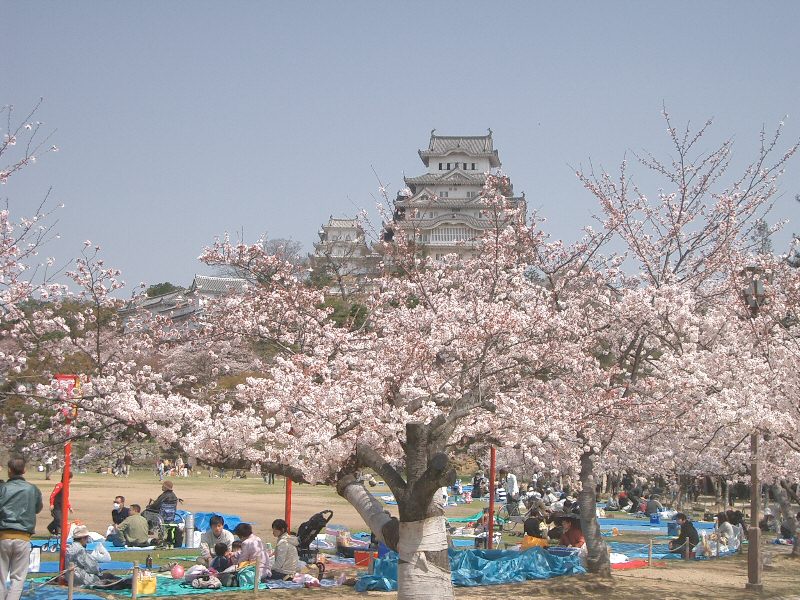
Hanami花見
The Japanese tradition of gathering to enjoy cherry blossoms in spring
🇯🇵 Japan and 7 more · Custom, Jan to May
Decoration
Hanami花見
The Japanese tradition of gathering to enjoy cherry blossoms in spring
🇯🇵 Japan and 7 more · Custom, Jan to May
 Decoration
Sōgetsu草月流
A modern school of Japanese ikebana open to all materials and styles
🇯🇵 Japan · Arrangement
Decoration
Sōgetsu草月流
A modern school of Japanese ikebana open to all materials and styles
🇯🇵 Japan · Arrangement
More from Nepal
All the flowers of Nepal Decoration
Vesak
The Buddhist festival marking the Buddha’s birth, enlightenment, and passing
🇱🇰 Sri Lanka and 7 more · Custom, Apr to Jun
Decoration
Vesak
The Buddhist festival marking the Buddha’s birth, enlightenment, and passing
🇱🇰 Sri Lanka and 7 more · Custom, Apr to Jun
 Decoration
Garland
A string or braid of flowers, leaves, or other materials for decoration or ceremony
🇮🇳 India and 3 more · Garland or wreath
Decoration
Garland
A string or braid of flowers, leaves, or other materials for decoration or ceremony
🇮🇳 India and 3 more · Garland or wreath
 Decoration
Ashtamangalaअष्टमङ्गल
A sacred set of eight auspicious symbols in Indian religions
🇮🇳 India and 1 more · Art or design
Decoration
Ashtamangalaअष्टमङ्गल
A sacred set of eight auspicious symbols in Indian religions
🇮🇳 India and 1 more · Art or design
 Decoration
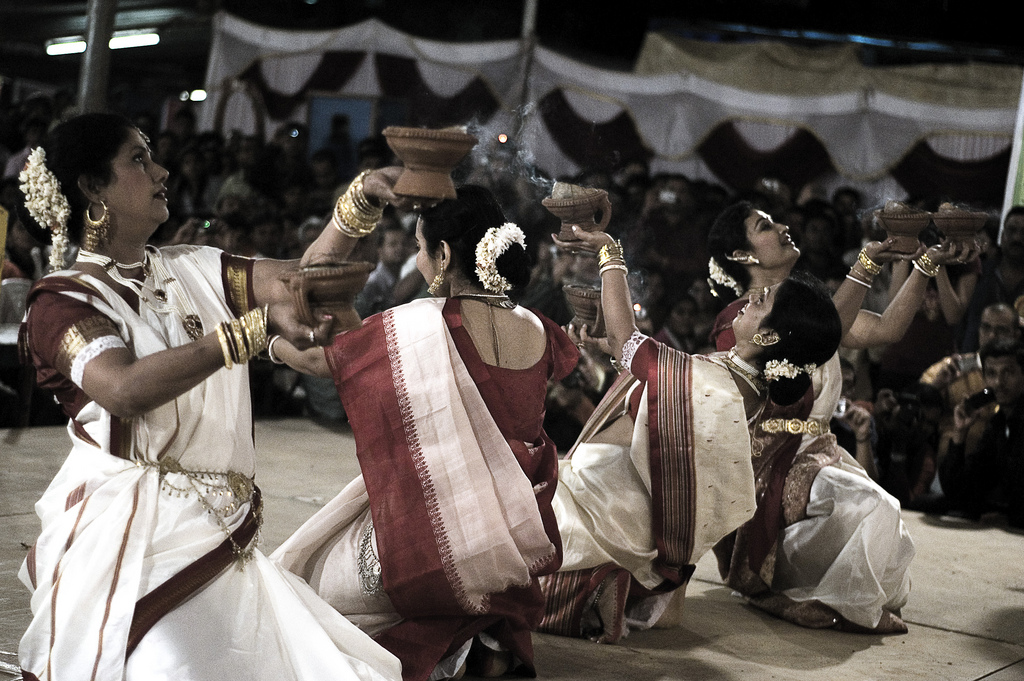
Gajra
A floral hair garland worn by women in South Asia for celebrations and daily wear
🇮🇳 India and 4 more · Garland or wreath
Decoration
Gajra
A floral hair garland worn by women in South Asia for celebrations and daily wear
🇮🇳 India and 4 more · Garland or wreath