
Yarrow
Achillea millefolium, family Asteraceae
A wild, fern-leaved plant with flat clusters of white or pink flowers and a spicy scent
Yarrow is a perennial herb with finely divided, fernlike leaves and flat-topped clusters of small white or pink flowers. Native to temperate regions of Europe, Asia, and North America, it grows wild in grasslands and open forests. The plant has a spicy aroma and has been used in traditional medicine, gardens, and as a companion plant.
- Yarrow has finely divided, fernlike leaves and flat clusters of tiny white or pink flowers.
- It has a strong, spicy aroma that remains after drying.
- The plant is native to temperate regions of Europe, Asia, and North America.
- Yarrow is used in traditional medicine and as a dye plant.
- It is toxic to dogs, cats, and horses if ingested.
What does Yarrow look like?
Yarrow is a perennial herb that grows upright, reaching up to 1 metre tall. Its leaves are finely divided and feathery, arranged evenly along the stem. The plant produces flat-topped clusters of tiny flowers, usually white but sometimes pink, each cluster made up of both ray and disk florets. Yarrow has a strong, spicy scent that persists even when dried, and its foliage can be pungent to the touch.
Where does Yarrow come from?
Yarrow is native to temperate areas of Europe, Asia, and North America, thriving from sea level up to high elevations. It grows wild in grasslands, open forests, and disturbed soils. The plant has a long association with people, with evidence of its use dating back to Neanderthal burials. Its scientific name refers to the Greek hero Achilles, who, according to legend, used it to treat wounds.
When and how Yarrow blooms
Yarrow blooms from spring through autumn, producing flowers in flat clusters. It prefers well-drained soil and full sun but is adaptable to various conditions. The plant spreads by rhizomes and can be grown from seed, which needs light and warmth to germinate. In gardens, it is valued for its drought tolerance and is sometimes used in lawns or as a companion plant.


How Yarrow is used
People have used yarrow in traditional medicine for its astringent and wound-healing properties. It has been applied to cuts, used in teas, and even brewed in beer. The plant is edible in small amounts, with young leaves added to salads or brewed as tea. Yarrow is also used for dyeing wool and as a companion plant to attract beneficial insects.
Kinds of Yarrow
There are several subspecies and varieties of yarrow, adapted to different regions, such as the arctic, Himalayas, and North America. Gardeners often grow cultivars selected for flower color, including reds and pinks, like 'Paprika' and 'Cerise Queen'. Some varieties have received horticultural awards for their ornamental value.
What Yarrow means
Yarrow has many folk names and a rich history in legend and healing. It was called herba militaris for its use in treating wounds and is linked to Achilles in Greek myth. In China, dried yarrow stalks are used for I Ching divination and are thought to bring luck. The plant is also important in Native American ethnobotany and has been used in rituals and traditional remedies.
Questions people ask about Yarrow
Where does yarrow come from?
Yarrow is native to temperate regions across Europe, Asia, and North America, and grows wild in grasslands, open forests, and disturbed soils.
What does yarrow look like?
Yarrow has upright stems with feathery, finely divided leaves and flat-topped clusters of small white or pink flowers. The plant can grow up to 1 metre tall and has a strong, spicy scent.
Is yarrow used in traditional medicine?
Yes, yarrow has a long history in traditional medicine for its astringent and wound-healing properties. It has been used to stop bleeding, treat cuts, and as a mild laxative.
Is yarrow safe for pets?
No, yarrow is toxic to dogs, cats, and horses. Ingestion can cause vomiting, diarrhea, increased urination, and skin irritation.
What does yarrow symbolize or mean in culture?
Yarrow is linked to healing and protection in many cultures. It is associated with the Greek hero Achilles, who is said to have used it to treat wounds, and is considered lucky in Chinese tradition.
Good reading and sources
- Encyclopaedia BritannicaArticle
- Achillea 'Credo'Royal Horticultural Society, Article
- Plants of the World OnlineRoyal Botanic Gardens, Kew, Plant database
- Where it has been recordedGBIF, Plant database
- Sightings and photos by naturalistsiNaturalist, Plant database
- Achillea millefolium on WikipediaEncyclopedia
- More photos on Wikimedia CommonsPhotos
- Wikidata recordOpen data
The facts on this page come from the Wikipedia article "Achillea millefolium", written by its contributors and used under the CC BY-SA 4.0 licence, and from its Wikidata record (CC0). Phool rewrote the text in its own words, with AI assistance, and compares every page with the article to make sure no passage is copied. It may be reused under the same CC BY-SA 4.0 licence with a link back.
It may contain mistakes. It is not medical or foraging advice: many flowers are poisonous, and traditional uses are reported, not recommended. If something is wrong, tell us. Last refreshed 2026-10-03.
Others in the family Asteraceae
The whole family Chrysanthemum菊花
Autumn-blooming flower with thousands of varieties, cherished in East Asia and beyond
🇨🇳 China and 6 more · Wildflower
Chrysanthemum菊花
Autumn-blooming flower with thousands of varieties, cherished in East Asia and beyond
🇨🇳 China and 6 more · Wildflower
 Asteraceae
The vast family of daisies, asters, and sunflowers with star-like flower heads
Asteraceae · Wildflower
Asteraceae
The vast family of daisies, asters, and sunflowers with star-like flower heads
Asteraceae · Wildflower
 DandelionTaraxacum
A yellow-flowered perennial found in fields, lawns, and gardens worldwide
Taraxacum · Wildflower
DandelionTaraxacum
A yellow-flowered perennial found in fields, lawns, and gardens worldwide
Taraxacum · Wildflower
 Dahlia
A bushy perennial with tuberous roots and bright, star-shaped blooms
🇲🇽 Mexico and 1 more · Garden flower
Dahlia
A bushy perennial with tuberous roots and bright, star-shaped blooms
🇲🇽 Mexico and 1 more · Garden flower
More from China
All the flowers of China PeachPrunus persica
A flowering fruit tree from China, grown for its pink blossoms and sweet fruit
🇨🇳 China and 7 more · Flowering tree
PeachPrunus persica
A flowering fruit tree from China, grown for its pink blossoms and sweet fruit
🇨🇳 China and 7 more · Flowering tree
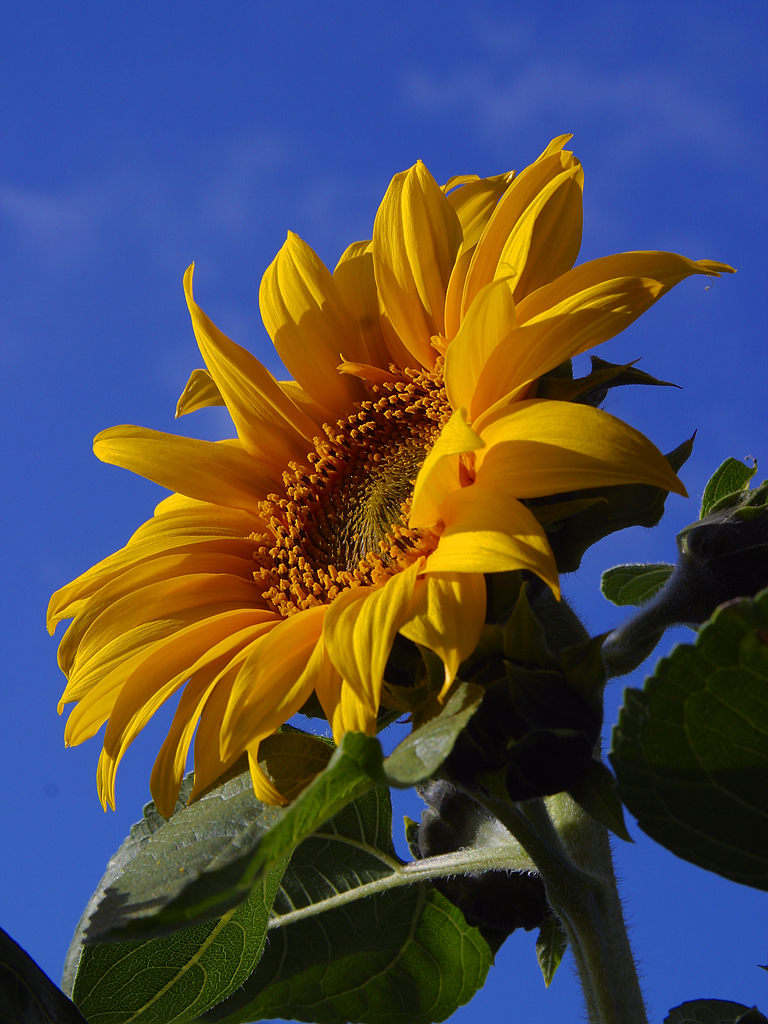 Common sunflowerHelianthus annuus
A tall annual plant grown for its large yellow flower heads and edible seeds
🇨🇦 Canada and 4 more · Wildflower
Common sunflowerHelianthus annuus
A tall annual plant grown for its large yellow flower heads and edible seeds
🇨🇦 Canada and 4 more · Wildflower
 PomegranatePunica granatum
A shrub with bright red flowers and a fruit full of edible seeds
🇮🇷 Iran and 9 more · Flowering shrub
PomegranatePunica granatum
A shrub with bright red flowers and a fruit full of edible seeds
🇮🇷 Iran and 9 more · Flowering shrub
 BirchBetula
Slender trees with papery bark found across the northern world
🇨🇳 China and 7 more · Wildflower
BirchBetula
Slender trees with papery bark found across the northern world
🇨🇳 China and 7 more · Wildflower