
Serviceberry
Amelanchier, family Rosaceae
A cold-hardy northern shrub with starry white spring blooms and sweet purple pomes
Serviceberry is a hardy northern shrub and small tree known for its starry white spring blossom and sweet, dark summer pomes. Native across North America, Europe, and Asia, it is planted in gardens and harvested for fresh eating, baking, and making preserves.
- Withstands winter temperatures plunging as low as minus sixty degrees Celsius.
- The Canadian city of Saskatoon takes its name from a Cree word for the berry.
- George Washington cultivated serviceberry trees on his Mount Vernon estate.
- Bears edible, sweet summer pomes with a delicate almond-like seed flavour.
What does Serviceberry look like?
Serviceberries grow as multi-stemmed shrubs, clumping thickets, or small deciduous trees reaching between one-fifth of a metre and twenty metres in height. Their gray or brown bark remains smooth when young and develops fissures as tree specimens age. In late spring, the branches display terminal flower clusters that either stand upright or droop gently. Each flower features five narrow petals, usually bright white, though they occasionally present yellow, pale pink, or reddish marks. In summer, the blossoms give way to small, round pomes resembling berries. These fruits turn from red to deep purple or near black as they ripen, delivering a mild sweetness with an almond hint from their seeds.
Where does Serviceberry come from?
The genus belongs to the rose family and is native to temperate zones of the Northern Hemisphere, thriving in early successional open lands. Its greatest diversity occurs in southeastern Canada and the northeastern United States, though species exist across almost every Canadian province and American state outside Hawaii. Six species are native to Europe and Asia. The botanical name Amelanchier originated in Provence and traces back through Gaulish words related to apples. The fruit became known as serviceberry due to its resemblance to European mountain ash fruit, while the name saskatoon derives from the Cree word misâskwatômina.
When and how Serviceberry blooms
Serviceberries burst into bloom in late spring before ripening fruit during summer months. Extremely hardy plants, they can survive harsh winter temperatures down to minus sixty degrees Celsius. Gardeners grow them in well-drained soils with good air movement to help prevent foliage problems, supplying water during dry spells. Propagation relies on seeds, clump divisions, or grafting. Because they accept grafts readily, growers frequently join them to related woody plants like hawthorns and rowans. Saskatoons can thrive for up to fifty years in suitable conditions.


How Serviceberry is used
The edible summer pomes are enjoyed raw or cooked into muffins, jams, and pies, and some are fermented into wine. Aboriginal peoples and western Canadian settlers harvested the fruit widely, mixing it with minced dried meat and fat to make traditional pemmican. Commercial growers cultivate saskatoon varieties specifically for food markets. The dense, hard wood with reddish-brown heartwood serves practical crafts, including tool handles and fishing rods. Native American hunters fashioned arrow shafts from the branches, and members of the Pit River Tribe constructed protective body armor and robes out of the sturdy wood.
Kinds of Serviceberry
Botanists recognize around twenty-four species, though natural hybridization, extra chromosome sets, and asexual seed production make exact classification tricky. Amelanchier alnifolia is prized for fruit production, while ornamental cultivars like 'La Paloma' have earned garden honours. The widely planted Amelanchier lamarckii, introduced to Europe from North American ancestry in the seventeenth century, reproduces true from seed and has naturalized across the European continent.
What Serviceberry means
The Canadian city of Saskatoon in Saskatchewan was named after the Cree word for this plant and its sweet berry. In early American history, George Washington chose serviceberry shrubs to grow on the grounds of his Mount Vernon estate in Virginia. The alternative name shadbush arose in New England, where spring fish runs in coastal rivers coincided with the plant's seasonal fruiting time.
Questions people ask about Serviceberry
Where does the serviceberry come from?
Serviceberries are native across the temperate Northern Hemisphere. They are most diverse in North America, growing in all Canadian provinces and territories and almost every US state. Several species also grow in Europe and Asia.
How are serviceberries used?
The sweet pomes are eaten raw, baked in pies and muffins, or made into wine and preserves. Indigenous peoples combined them with dried meat in pemmican. The tough wood was crafted into arrows, tool handles, and body armor.
Why is the plant called shadbush or saskatoon?
Shadbush refers to New England river runs of shad fish that occurred when the trees fruited. Saskatoon comes from the Cree word misâskwatômina, which later gave the Saskatchewan city its name.
Can serviceberries survive cold climates?
Yes, these shrubs and small trees are exceptionally cold-hardy, surviving temperatures as low as minus sixty degrees Celsius. They grow well across northern regions and can live for up to fifty years.
Good reading and sources
- Encyclopaedia BritannicaArticle
- Amelanchier 'La Paloma'Royal Horticultural Society, Article
- USDA Plants DatabaseUS Department of Agriculture, Article
- Plants of the World OnlineRoyal Botanic Gardens, Kew, Plant database
- Where it has been recordedGBIF, Plant database
- Sightings and photos by naturalistsiNaturalist, Plant database
The facts on this page come from the Wikipedia article "Amelanchier", written by its contributors and used under the CC BY-SA 4.0 licence, and from its Wikidata record (CC0). EveryPhool rewrote the text in its own words, with AI assistance, and compares every page with the article to make sure no passage is copied. It may be reused under the same CC BY-SA 4.0 licence with a link back.
It may contain mistakes. It is not medical or foraging advice: many flowers are poisonous, and traditional uses are reported, not recommended. If something is wrong, tell us. Last refreshed 2026-10-04.
Others in the family Rosaceae
The whole family RoseRosa
Prickly flowering shrubs grown across the world for fragrant blossoms and rose hips
🇨🇳 China and 7 more · Flowering shrub
RoseRosa
Prickly flowering shrubs grown across the world for fragrant blossoms and rose hips
🇨🇳 China and 7 more · Flowering shrub
 PeachPrunus persica
A flowering fruit tree from China, grown for its pink blossoms and sweet fruit
🇨🇳 China and 7 more · Flowering tree
PeachPrunus persica
A flowering fruit tree from China, grown for its pink blossoms and sweet fruit
🇨🇳 China and 7 more · Flowering tree
 AlmondPrunus amygdalus
A Mediterranean tree grown for its fragrant spring flowers and edible seeds
🇮🇷 Iran and 6 more · Flowering tree
AlmondPrunus amygdalus
A Mediterranean tree grown for its fragrant spring flowers and edible seeds
🇮🇷 Iran and 6 more · Flowering tree
 ApricotPrunus armeniaca
A small fruit tree with early white to pink blossoms and golden-orange fruit
🇨🇳 China and 6 more · Flowering tree
ApricotPrunus armeniaca
A small fruit tree with early white to pink blossoms and golden-orange fruit
🇨🇳 China and 6 more · Flowering tree
More from Canada
All the flowers of Canada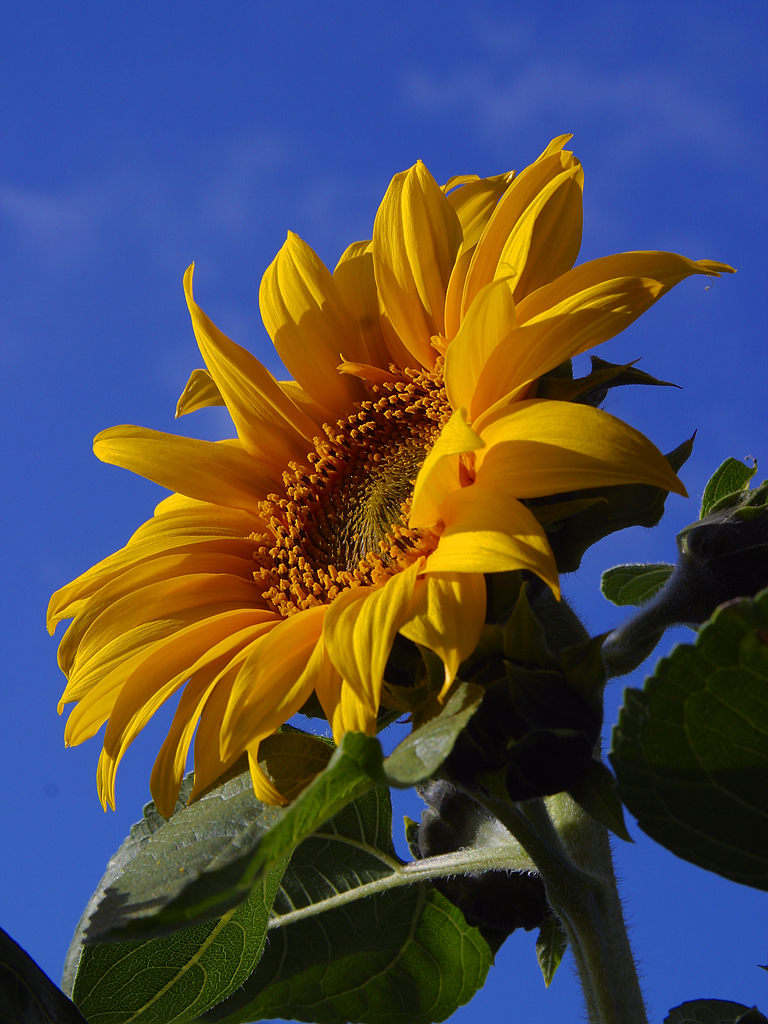 Common sunflowerHelianthus annuus
A tall annual plant grown for its large yellow flower heads and edible seeds
🇨🇦 Canada and 4 more · Wildflower
Common sunflowerHelianthus annuus
A tall annual plant grown for its large yellow flower heads and edible seeds
🇨🇦 Canada and 4 more · Wildflower
 BirchBetula
Slender trees with papery bark found across the northern world
🇨🇳 China and 7 more · Wildflower
BirchBetula
Slender trees with papery bark found across the northern world
🇨🇳 China and 7 more · Wildflower
 CactusCactaceae
Succulent plants with spines, native to the Americas
🇲🇽 Mexico and 7 more · Wildflower
CactusCactaceae
Succulent plants with spines, native to the Americas
🇲🇽 Mexico and 7 more · Wildflower
 TulipTulipa
Spring-blooming bulbs with showy, cup-shaped flowers in many colours
🇳🇱 Netherlands and 7 more · Wildflower
TulipTulipa
Spring-blooming bulbs with showy, cup-shaped flowers in many colours
🇳🇱 Netherlands and 7 more · Wildflower