
Boronia
A genus of fragrant shrubs mostly found in Australia’s open forests
Boronia is a group of about 160 flowering shrub species in the citrus family, Rutaceae. Most species grow wild in Australia’s open forests and woodlands, with a few in New Caledonia. Some boronias are valued for their scented flowers and are grown in gardens, though they can be challenging to cultivate.
- Most Boronia species are native to Australia’s open forests and woodlands
- The genus contains about 160 species, mainly shrubs with fragrant flowers
- Boronia megastigma is especially valued for its perfume
- Boronia was named after Italian naturalist Francesco Borone
What does Boronia look like?
Boronia plants are usually shrubs, though a few are herbs or small trees. Their leaves grow in opposite pairs and can be simple or divided into many leaflets, arranged either pinnately or bipinnately. The flowers tend to cluster at the ends of branches or in the angles where leaves meet stems. Most flowers have four separate petals and sepals, and eight stamens, with both male and female parts. Some species are known for their pleasant fragrance.
Where does Boronia come from?
The genus Boronia was first described in 1798 by James Edward Smith, who named it after the Italian naturalist Francesco Borone. Boronias are native to Australia, found in every state and mainland territory, mostly in open forests and woodlands. A few species from New Caledonia were once placed in a separate genus. The suburb of Boronia in Melbourne was named for the plant found growing there.
When and how Boronia blooms
Boronias generally flower in open forests or woodlands, rarely in rainforests or arid regions. In gardens, they are grown for their attractive and sometimes perfumed blooms, but they can be difficult to cultivate. They require well-drained soil and partial shade to thrive. Most propagation is from seed or cuttings, though success varies by species.

How Boronia is used
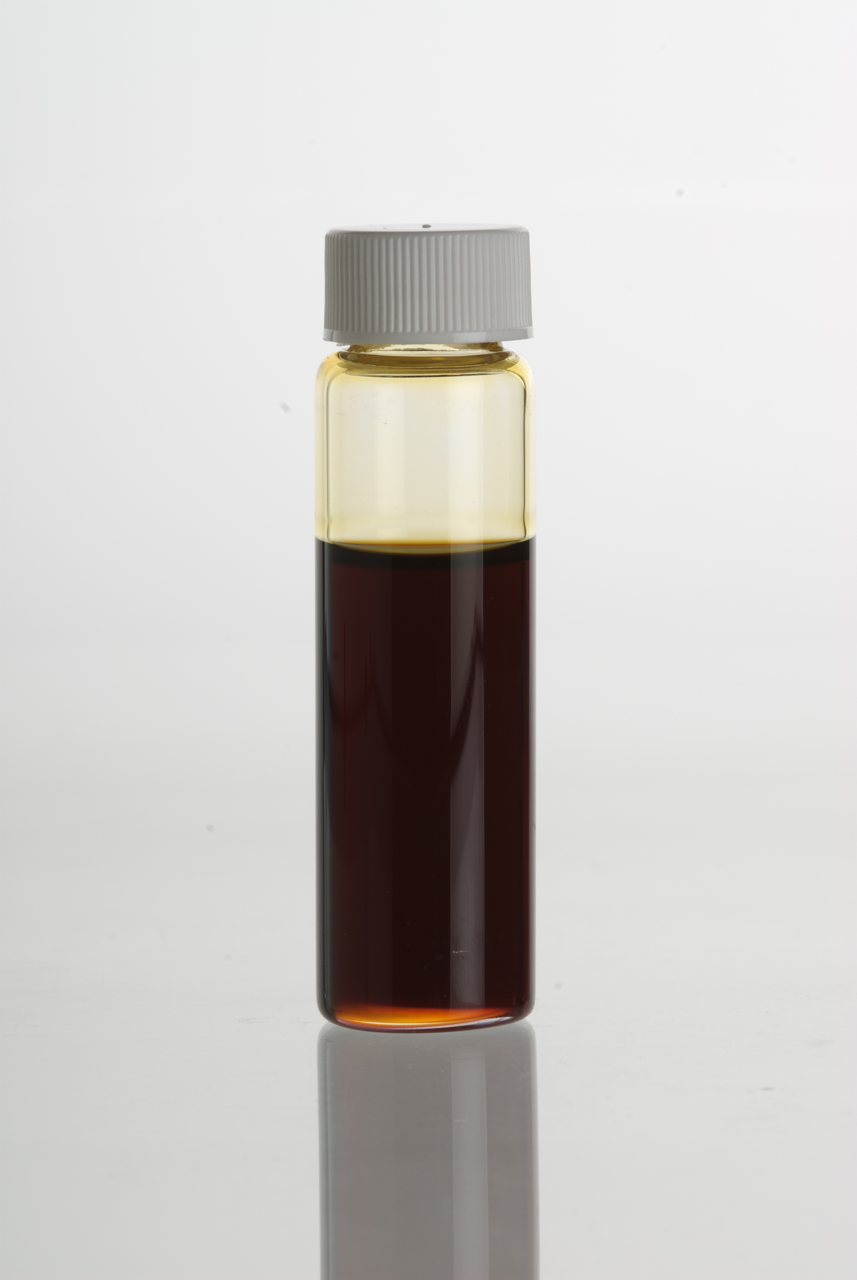
Gardeners value boronias, especially Boronia megastigma, for their fragrant flowers. These shrubs are often planted in gardens for their scent and appearance, but they are not easy to grow and need specific conditions. Some species are also used for their perfume.
Kinds of Boronia
There are about 160 species of Boronia, with ongoing research and some species yet to be formally described. The genus includes a range of forms, mostly shrubs, but also a few herbs and small trees. Some species, like Boronia megastigma, are especially noted for their strong fragrance and are more widely cultivated.
What Boronia means
Boronia is mainly known in Australia, where it is part of the natural flora in many regions. The plant’s name commemorates Francesco Borone, an Italian naturalist. The genus is recognized for its scented flowers, and one suburb in Melbourne is named after it. Boronias are sometimes grown in gardens for their perfume and beauty.
Where Boronia is used and seen
Where to see Boronia

Questions people ask about Boronia
Where does Boronia come from?
Boronia is native to Australia and grows in all states and mainland territories, mainly in open forests and woodlands. A few species are also found in New Caledonia.
What does Boronia look like?
Boronia plants are usually shrubs with leaves in opposite pairs, which can be simple or divided into many leaflets. Their flowers usually have four petals and are sometimes fragrant.
What is Boronia used for?
Boronia, especially Boronia megastigma, is grown in gardens for its attractive and often perfumed flowers. Some species are used for their scent in perfumes.
Is Boronia easy to grow?
Many Boronia species are considered difficult to grow in cultivation. They require excellent drainage and partial shade to thrive.
Why is it called Boronia?
The genus was named by James Edward Smith in 1798 to honour Francesco Borone, an Italian naturalist and plant collector.
Good reading and sources
- Encyclopaedia BritannicaArticle
- USDA Plants DatabaseUS Department of Agriculture, Article
- Plants of the World OnlineRoyal Botanic Gardens, Kew, Plant database
- Where it has been recordedGBIF, Plant database
- Sightings and photos by naturalistsiNaturalist, Plant database
The facts on this page come from the Wikipedia article "Boronia", written by its contributors and used under the CC BY-SA 4.0 licence, and from its Wikidata record (CC0). Phool rewrote the text in its own words, with AI assistance, and compares every page with the article to make sure no passage is copied. It may be reused under the same CC BY-SA 4.0 licence with a link back.
It may contain mistakes. It is not medical or foraging advice: many flowers are poisonous, and traditional uses are reported, not recommended. If something is wrong, tell us. Last refreshed 2026-10-03.
Others in the family Rutaceae
The whole family Bitter orangeCitrus × aurantium
The citrus tree behind Seville orange marmalade and Neroli oil
🇨🇳 China and 6 more · Flowering tree
Bitter orangeCitrus × aurantium
The citrus tree behind Seville orange marmalade and Neroli oil
🇨🇳 China and 6 more · Flowering tree
 BaelAegle marmelos
A spiny tree with fragrant yellow-green flowers and hard-shelled aromatic fruit
🇮🇳 India and 6 more · Flowering tree
BaelAegle marmelos
A spiny tree with fragrant yellow-green flowers and hard-shelled aromatic fruit
🇮🇳 India and 6 more · Flowering tree
 Philotheca
A group of Australian shrubs with delicate five-petalled flowers
🇦🇺 Australia · Flowering shrub
Philotheca
A group of Australian shrubs with delicate five-petalled flowers
🇦🇺 Australia · Flowering shrub
 Tachibana orangeCitrus × tachibana
A wild mandarin orange found in the forests of Japan
🇯🇵 Japan and 1 more · Wildflower
Tachibana orangeCitrus × tachibana
A wild mandarin orange found in the forests of Japan
🇯🇵 Japan and 1 more · Wildflower
More from Australia
All the flowers of Australia AlmondPrunus amygdalus
A Mediterranean tree grown for its fragrant spring flowers and edible seeds
🇮🇷 Iran and 6 more · Flowering tree
AlmondPrunus amygdalus
A Mediterranean tree grown for its fragrant spring flowers and edible seeds
🇮🇷 Iran and 6 more · Flowering tree
 FennelFoeniculum vulgare
A tall, aromatic herb with feathery leaves and yellow umbels, used for food and spice
🇨🇳 China and 7 more · Herb or useful flower
FennelFoeniculum vulgare
A tall, aromatic herb with feathery leaves and yellow umbels, used for food and spice
🇨🇳 China and 7 more · Herb or useful flower
 RosemarySalvia rosmarinus
A fragrant evergreen shrub with needle-like leaves and purple, blue, or white flowers
🇪🇸 Spain and 5 more · Flowering shrub
RosemarySalvia rosmarinus
A fragrant evergreen shrub with needle-like leaves and purple, blue, or white flowers
🇪🇸 Spain and 5 more · Flowering shrub
 Eucalyptus
The tall, aromatic trees and shrubs known as gum trees or eucalypts
🇦🇺 Australia and 7 more · Flowering tree
Eucalyptus
The tall, aromatic trees and shrubs known as gum trees or eucalypts
🇦🇺 Australia and 7 more · Flowering tree