
Walker's cattleya
Cattleya walkeriana, family Orchidaceae
A Brazilian orchid with large flowers and unusual blooming stems
Walker's cattleya is an orchid species native to the Brazilian Central Plateau. It grows on trees or rocks, often in sunny spots, and produces large, showy flowers on short stems that rise from the plant’s base.
- Flowers grow from the base of the plant, not the top
- Native to the Brazilian Central Plateau
- Can grow on trees or rocks, sometimes in full sun
- Flowers are large, up to 13 cm across
What does Walker's cattleya look like?
Walker's cattleya is a medium-sized orchid with short, swollen stems called pseudobulbs. Each pseudobulb holds one or two oval leaves at the top. Its flowers are large, about 10 to 13 centimeters across, and grow on stems that rise from the plant’s base rather than the top of the pseudobulb. The flower stalks reach up to 20 centimeters tall and usually carry one or a few blooms at a time. The plant can be found growing on trees or rocks.
Where does Walker's cattleya come from?
This orchid is native to the Brazilian Central Plateau, including regions such as Mato Grosso, Goiás, São Paulo, Federal District, Minas Gerais, Amazonia, Bahia, and the Cerrado. It grows in the wild as both an epiphyte (on trees) and a lithophyte (on rocks), sometimes in full sun and at elevations up to 2000 meters. Its unusual flowering habit, with blooms coming from the rhizome, sets it apart from most other Cattleya species.
When and how Walker's cattleya blooms
Cattleya walkeriana blooms from short stems that emerge from the rhizome, not from the top of the pseudobulb. In its natural setting, it grows on trees or rocks and can tolerate bright sunlight. The plant produces one or a few large flowers per stem. It is adapted to the climate and elevations of central Brazil.
How Walker's cattleya is used
There is no specific information in the sources about traditional or modern uses for Walker's cattleya. It is mainly noted as a wild orchid species native to Brazil, and its large, attractive flowers make it of interest to orchid enthusiasts and collectors.
Kinds of Walker's cattleya
A known variety is Cattleya walkeriana var. princeps, which differs in chromosome number. Genetically, Walker's cattleya is close to the group of bifoliate Cattleyas, which have two leaves per pseudobulb.
What Walker's cattleya means
The sources do not mention any particular symbolism, cultural role, or use in festivals or religion for Walker's cattleya. Its main significance comes from its unique flowering habit and its place among Brazilian orchids.
Questions people ask about Walker's cattleya
Where does Walker's cattleya come from?
Walker's cattleya is native to the Brazilian Central Plateau, including regions such as Mato Grosso, Goiás, São Paulo, Federal District, Minas Gerais, Amazonia, Bahia, and the Cerrado.
What does Walker's cattleya look like?
It is a medium-sized orchid with short, bulbous stems and one or two oval leaves at the top. Its flowers are large, about 10–13 cm across, and grow on short stems from the plant’s base.
How does Walker's cattleya differ from other Cattleyas?
Unlike most Cattleyas, its flowers grow from the rhizome rather than from the top of the pseudobulb.
Is Walker's cattleya used for anything special?
The sources do not mention any traditional or modern uses for this orchid. It is mainly valued for its unique growth and large flowers.
Good reading and sources
- Plants of the World OnlineRoyal Botanic Gardens, Kew, Plant database
- Where it has been recordedGBIF, Plant database
- Sightings and photos by naturalistsiNaturalist, Plant database
- Cattleya walkeriana on WikipediaEncyclopedia
- More photos on Wikimedia CommonsPhotos
- Wikidata recordOpen data
The facts on this page come from the Wikipedia article "Cattleya walkeriana", written by its contributors and used under the CC BY-SA 4.0 licence, and from its Wikidata record (CC0). Phool rewrote the text in its own words, with AI assistance, and compares every page with the article to make sure no passage is copied. It may be reused under the same CC BY-SA 4.0 licence with a link back.
It may contain mistakes. It is not medical or foraging advice: many flowers are poisonous, and traditional uses are reported, not recommended. If something is wrong, tell us. Last refreshed 2026-10-03.
Others in the family Orchidaceae
The whole family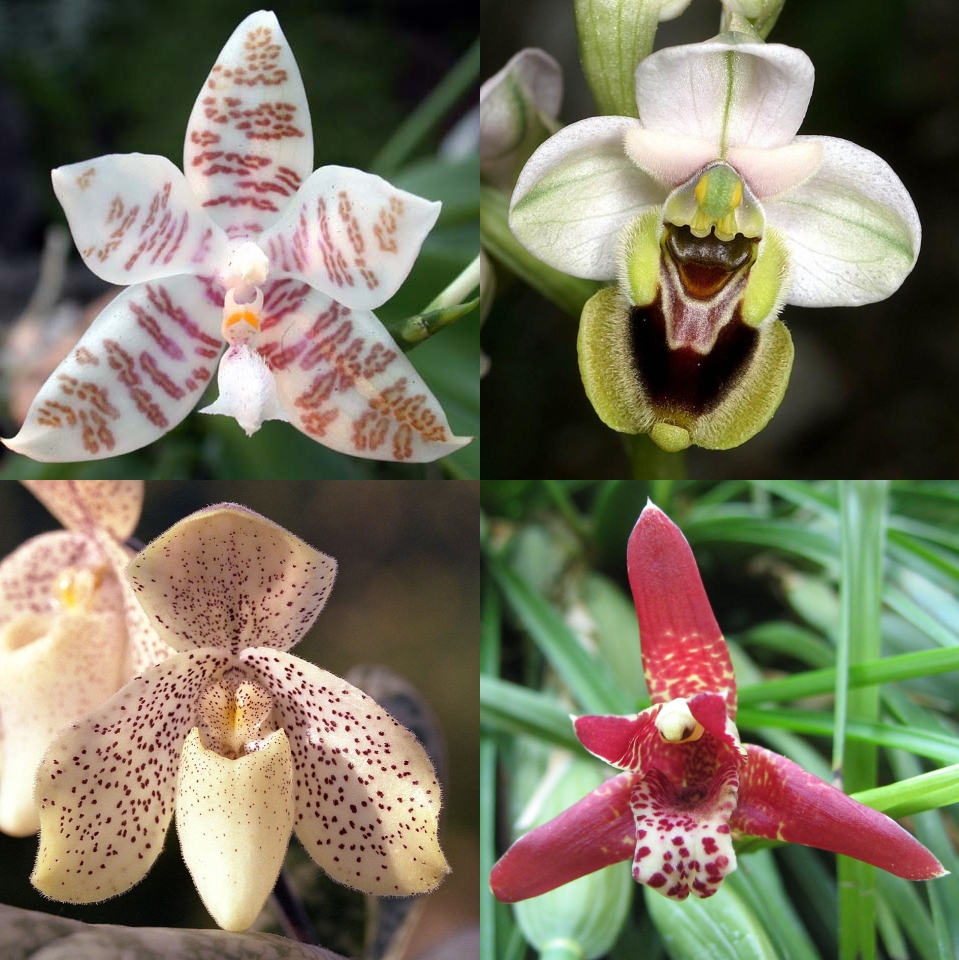 OrchidOrchidaceae
A vast family of colourful, often fragrant flowers found almost everywhere on earth
Orchidaceae · Wildflower
OrchidOrchidaceae
A vast family of colourful, often fragrant flowers found almost everywhere on earth
Orchidaceae · Wildflower
 Vanilla
Climbing orchids with pods used for the world’s most popular flavor
🇲🇽 Mexico and 7 more · Wildflower
Vanilla
Climbing orchids with pods used for the world’s most popular flavor
🇲🇽 Mexico and 7 more · Wildflower
 Orchis
A group of wild orchids with tuberous roots from Europe, North Africa and Asia
🇹🇷 Turkey and 7 more · Wildflower
Orchis
A group of wild orchids with tuberous roots from Europe, North Africa and Asia
🇹🇷 Turkey and 7 more · Wildflower
 Pansy orchidMiltoniopsis
An orchid with flowers that resemble garden pansies
🇨🇷 Costa Rica and 5 more · Orchid
Pansy orchidMiltoniopsis
An orchid with flowers that resemble garden pansies
🇨🇷 Costa Rica and 5 more · Orchid
More from Brazil
All the flowers of Brazil CactusCactaceae
Succulent plants with spines, native to the Americas
🇲🇽 Mexico and 7 more · Wildflower
CactusCactaceae
Succulent plants with spines, native to the Americas
🇲🇽 Mexico and 7 more · Wildflower
 Eucalyptus
The tall, aromatic trees and shrubs known as gum trees or eucalypts
🇦🇺 Australia and 7 more · Flowering tree
Eucalyptus
The tall, aromatic trees and shrubs known as gum trees or eucalypts
🇦🇺 Australia and 7 more · Flowering tree
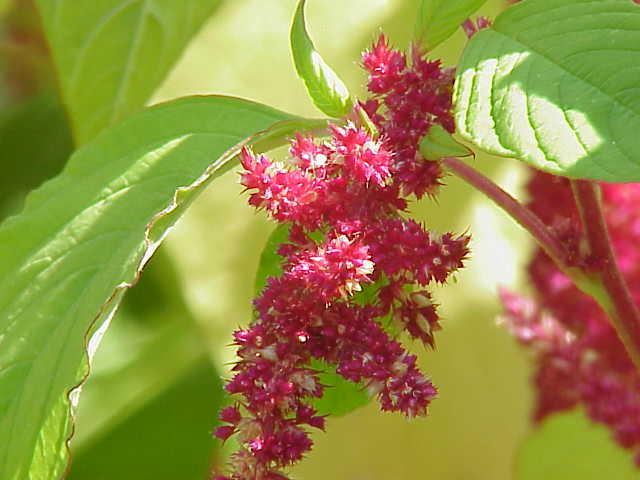 AmaranthAmaranthus
A tall, colourful plant grown for its flowers, leaves and edible seeds
🇲🇽 Mexico and 7 more · Wildflower
AmaranthAmaranthus
A tall, colourful plant grown for its flowers, leaves and edible seeds
🇲🇽 Mexico and 7 more · Wildflower
 Sensitive PlantMimosa pudica
A touch-sensitive plant whose leaves fold up when disturbed
🇧🇷 Brazil and 8 more · Wildflower
Sensitive PlantMimosa pudica
A touch-sensitive plant whose leaves fold up when disturbed
🇧🇷 Brazil and 8 more · Wildflower