
Ceiba
Tall tropical trees with buttress roots and a spreading crown
Ceiba is a group of large trees from warm regions of the Americas and West Africa. These trees are known for their straight trunks, wide canopies, and strong buttress roots. The most familiar species, Ceiba pentandra, produces kapok fiber and is important in local cultures and traditions.
- Ceiba pentandra is the source of kapok fiber
- The Maya viewed the Ceiba as the world tree
- Ceiba is the national tree of Guatemala
- Some Ceiba trees are over 400 years old
- Ceiba trunks often have clusters of thick thorns
What does Ceiba look like?
Ceiba trees are among the tallest in their native forests, sometimes reaching over 70 meters. Their trunks are mostly straight and smooth, often with clusters of thick, conical thorns. The base of the tree is supported by large buttress roots. The canopy is broad and spreads widely. Ceiba pentandra, the best-known species, produces seed pods filled with a silky fiber called kapok. Leaves are typically palmate, and the flowers vary among species.
Where does Ceiba come from?
Ceiba grows naturally in tropical and subtropical climates across the Americas, from Mexico through Central America and the Caribbean, down to parts of South America such as Brazil, Peru, Argentina, and Paraguay. It is also native to tropical West Africa. The genus name comes from the Taíno word for 'boat', as the wood was used by indigenous people to make dugout canoes. Ceiba has been significant in local cultures for centuries, and some species are now grown in other tropical regions, including parts of Asia.
When and how Ceiba blooms
Ceiba trees thrive in warm, humid climates and are found in lowland forests. They grow from seed and can become very large over many decades. The kapok fiber is collected from the seed pods after flowering. The trees are often left standing when forests are cleared, out of respect for their cultural and ecological importance.


How Ceiba is used
People use Ceiba trees for their light, strong kapok fiber, which has filled pillows, mattresses, and dolls. The seeds yield oil for soap and fertilizer. Ceiba trees are also planted as landmarks and are central to ceremonies and festivals in several countries. In some traditions, they are left untouched during timber harvests due to their sacred status.
Kinds of Ceiba
There are 21 recognized species of Ceiba, including Ceiba pentandra (kapok), Ceiba speciosa, and Ceiba insignis. Some species, such as Ceiba pentandra, are widely cultivated outside their native range. Ceiba speciosa and Ceiba insignis are sometimes added to ayahuasca preparations in South America.
What Ceiba means
Ceiba trees hold deep meaning in Mesoamerican and Amazonian cultures, symbolizing the connection between earth and sky. The Maya saw the Ceiba as the world tree, or axis mundi, and depicted it in art and architecture. Ceiba is Guatemala's national tree and features in the names and histories of towns in Mexico, Honduras, and Puerto Rico. Historic Ceiba trees are linked to major events, such as the Spanish surrender in Cuba and the founding of cities.
Questions people ask about Ceiba
Where does the Ceiba tree come from?
Ceiba trees are native to tropical and subtropical regions of the Americas, including Mexico, Central America, the Caribbean, and parts of South America, as well as tropical West Africa.
What is the Ceiba tree used for?
Ceiba trees provide kapok fiber used in pillows and mattresses, oil from seeds for soap and fertilizer, and are important in cultural and religious traditions. Some species are also planted as landmarks.
Why is the Ceiba tree important in culture?
The Ceiba is a sacred symbol in Mesoamerican cultures, especially for the Maya, who saw it as the world tree connecting different realms. It is also Guatemala's national tree and features in the founding stories of several towns.
How tall can Ceiba trees grow?
Some Ceiba trees can reach heights of over 70 meters, making them among the tallest trees in their native forests.
Are there different species of Ceiba?
Yes, there are 21 recognized species of Ceiba, including Ceiba pentandra, Ceiba speciosa, and Ceiba insignis, each with its own range and characteristics.
Good reading and sources
- USDA Plants DatabaseUS Department of Agriculture, Article
- BBC - Earth NewsBBC, Article
- Plants of the World OnlineRoyal Botanic Gardens, Kew, Plant database
- Where it has been recordedGBIF, Plant database
- Sightings and photos by naturalistsiNaturalist, Plant database
The facts on this page come from the Wikipedia article "Ceiba", written by its contributors and used under the CC BY-SA 4.0 licence, and from its Wikidata record (CC0). Phool rewrote the text in its own words, with AI assistance, and compares every page with the article to make sure no passage is copied. It may be reused under the same CC BY-SA 4.0 licence with a link back.
It may contain mistakes. It is not medical or foraging advice: many flowers are poisonous, and traditional uses are reported, not recommended. If something is wrong, tell us. Last refreshed 2026-10-03.
Others in the family Malvaceae
The whole family LindenTilia
Tall, broad-leaved trees with fragrant yellow flowers and heart-shaped leaves
🇨🇳 China and 7 more · Flowering tree
LindenTilia
Tall, broad-leaved trees with fragrant yellow flowers and heart-shaped leaves
🇨🇳 China and 7 more · Flowering tree
 Hibiscus
A tropical genus with large, colourful trumpet-shaped flowers
🇮🇳 India and 7 more · Wildflower
Hibiscus
A tropical genus with large, colourful trumpet-shaped flowers
🇮🇳 India and 7 more · Wildflower
 MallowMalva
Edible and ornamental flowering plants with pink, purple or white blooms
🇮🇳 India and 6 more · Wildflower
MallowMalva
Edible and ornamental flowering plants with pink, purple or white blooms
🇮🇳 India and 6 more · Wildflower
 Small-leaved LimeTilia cordata
A tall, fragrant-flowered tree native to much of Europe
🇨🇿 Czech Republic and 6 more · Flowering tree
Small-leaved LimeTilia cordata
A tall, fragrant-flowered tree native to much of Europe
🇨🇿 Czech Republic and 6 more · Flowering tree
More from Mexico
All the flowers of Mexico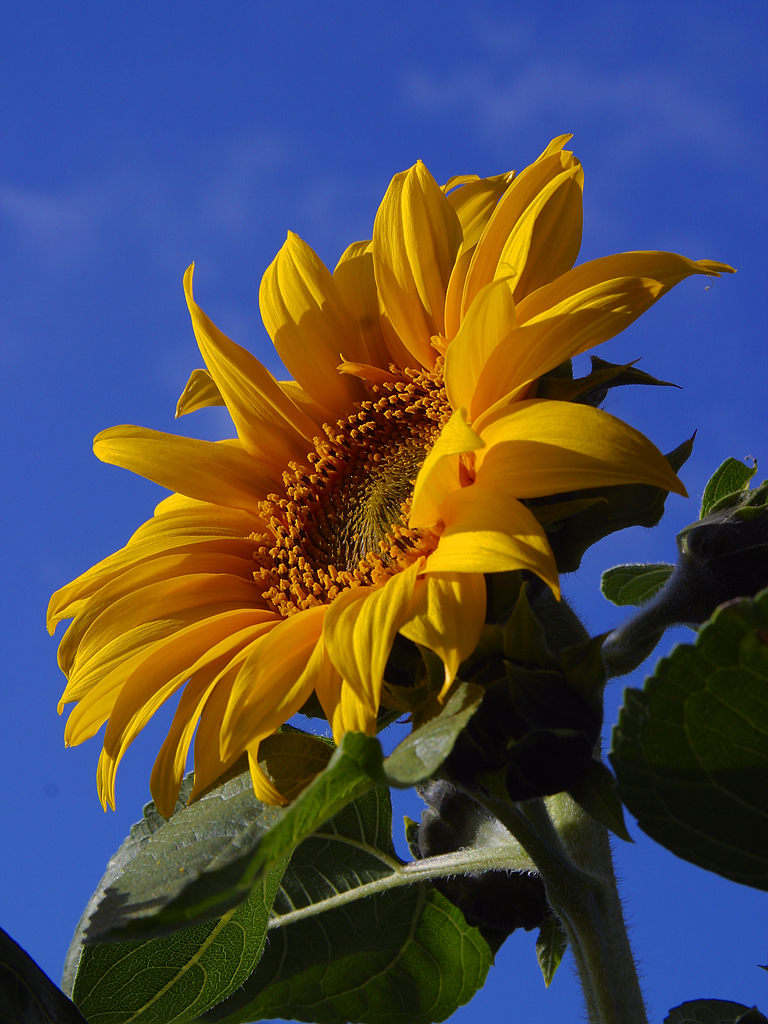 Common sunflowerHelianthus annuus
A tall annual plant grown for its large yellow flower heads and edible seeds
🇨🇦 Canada and 4 more · Wildflower
Common sunflowerHelianthus annuus
A tall annual plant grown for its large yellow flower heads and edible seeds
🇨🇦 Canada and 4 more · Wildflower
 CactusCactaceae
Succulent plants with spines, native to the Americas
🇲🇽 Mexico and 7 more · Wildflower
CactusCactaceae
Succulent plants with spines, native to the Americas
🇲🇽 Mexico and 7 more · Wildflower
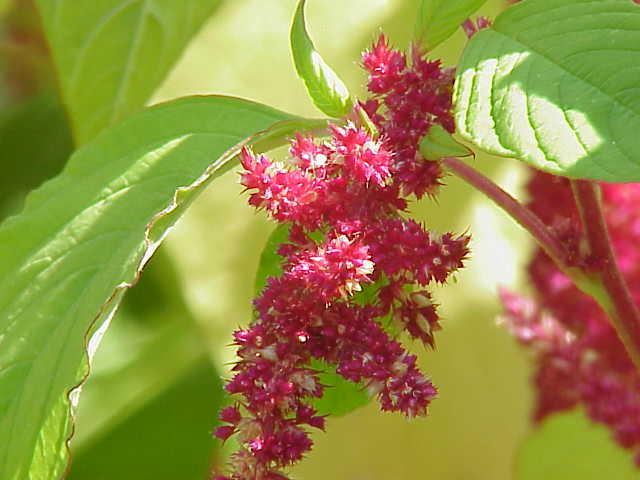 AmaranthAmaranthus
A tall, colourful plant grown for its flowers, leaves and edible seeds
🇲🇽 Mexico and 7 more · Wildflower
AmaranthAmaranthus
A tall, colourful plant grown for its flowers, leaves and edible seeds
🇲🇽 Mexico and 7 more · Wildflower
 HawthornCrataegus
A thorny shrub or tree with white or pink spring flowers and small edible fruits
🇮🇪 Ireland and 7 more · Wildflower
HawthornCrataegus
A thorny shrub or tree with white or pink spring flowers and small edible fruits
🇮🇪 Ireland and 7 more · Wildflower